
Implementing Last-Mile: Best Practices, KPIs, and Common Mistakes
Last-Mile
Definition
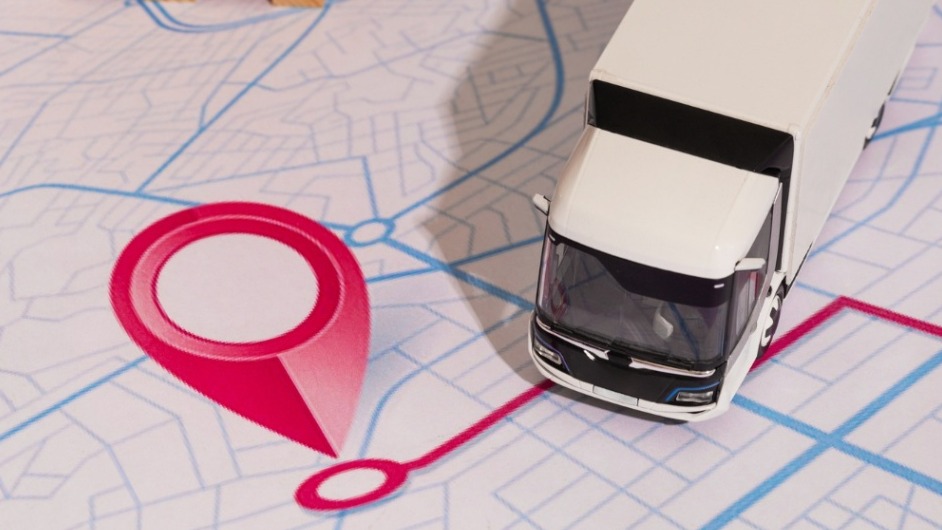
Last-mile refers to the final segment of the delivery process when goods are transported from a distribution center, warehouse, or transportation hub to the end customer or retail location. It is often the most costly and complex part of the supply chain due to the need for fast, flexible routing, tight delivery windows, and challenges like urban congestion and failed delivery attempts.
Overview

Implementing Last-Mile: Best Practices, KPIs, and Common Mistakes
Effective implementation of Last-Mile delivery hinges on operational discipline, clear performance metrics, and an intentional strategy that aligns customer expectations with cost realities. This entry outlines best practices, essential KPIs, and frequent mistakes organizations make when scaling last-mile operations.
Core best practices for last-mile implementation:
- Segment customers and services: Not all deliveries require the same service level. Segment by customer value, product urgency, and delivery density to offer differentiated service tiers (e.g., standard, expedited, scheduled) and price them appropriately.
- Optimize delivery density: Use order aggregation, time-window batching, and consolidation points to increase stops per route. Micro-fulfillment centers and locker networks help raise density in urban areas and lower per-delivery costs.
- Invest in visibility: Real-time tracking and transparent communication reduce failed deliveries and improve the customer experience. Automated SMS/email updates with narrow ETAs lower missed-drop rates.
- Leverage data for dynamic routing: Combine historical demand data with real-time traffic and driver location to make on-the-fly routing decisions that minimize miles and delays.
- Offer flexible delivery options: Same-day, time-window, curbside, pickup-in-store, and locker pickup give customers choices and allow the operator to optimize for cost or speed when necessary.
- Standardize returns processes: Design simple, consistent return flows and label them clearly at point-of-sale. Efficient reverse logistics reduces cost and improves customer retention for e-commerce.
- Focus on last-mile sustainability: Consolidate deliveries, transition to electric or low-emission vehicles where feasible, and use carbon-aware routing to reduce environmental impact and comply with local regulations.
- Train and empower drivers: Drivers should be equipped with tools for navigation, exception reporting, and customer interaction. Empowered drivers reduce delivery friction and improve on-the-ground problem resolution.
Key performance indicators (KPIs) to monitor:
- Cost per delivery: Total last-mile cost divided by number of successful deliveries. This KPI drives process and technology investments.
- On-time delivery rate: Percentage of deliveries completed within the promised window.
- First-attempt success rate: Percentage of deliveries completed without requiring a reattempt; high success rates reduce incremental costs and customer inconvenience.
- Average delivery time: From dispatch to completed delivery; useful for monitoring service speed.
- Customer satisfaction / NPS: Measures customer perception of delivery experience, communication, and convenience.
- Vehicle utilization and route efficiency: Miles per stop and stops per route indicate operational efficiency.
- Return rate and reverse-logistics cost: Important for e-commerce categories with high return propensity.
Common mistakes and how to avoid them:
- Underestimating delivery complexity: Treating the last mile like long-haul freight leads to cost overruns and poor service. Invest in local knowledge, route planning, and flexible staffing.
- Failure to integrate systems: Disconnected WMS, OMS, and TMS systems create blind spots and manual work. Prioritize integrations and real-time data exchange for accurate ETAs and inventory allocation.
- Poor customer communication: Not providing precise ETAs, or failing to notify customers of exceptions, increases failed deliveries and customer dissatisfaction. Automate status updates and provide self-service options for rescheduling.
- Overpromising service levels: Committing to unrealistic delivery promises to win orders can destroy margins. Price and manage services based on true operational capacity.
- Ignoring local regulations and sustainability requirements: Urban access restrictions, emissions zones, and delivery curfews can disrupt plans. Engage with municipal rules and pursue low-emission options where required.
- Neglecting returns and reverse logistics: Not planning for efficient returns increases customer friction and cost. Standardize receipts, labels, and inspection processes to speed reverse flows.
Implementation checklist:
- Map customer delivery expectations and segment service tiers.
- Measure baseline KPIs and set improvement targets.
- Integrate WMS/OMS/TMS and deploy driver apps for visibility.
- Pilot micro-fulfillment, lockers, or crowdshipping in targeted ZIP codes before wide rollout.
- Train drivers and customer-service teams on new processes and technology.
- Continuously refine routing, scheduling, and inventory placement using data analytics.
In Practice
Successful last-mile programs combine operational rigor with customer-centric flexibility. For instance, a consumer electronics retailer may offer paid expedited home delivery for high-value customers while defaulting lower-value orders to locker pickup or next-day consolidated delivery. A grocer might prioritize dense urban clusters for same-hour delivery while using curbside pickup as an economical alternative. The strategic mix depends on business model, margins, and customer expectations.
Ultimately
Implementing an effective Last-Mile strategy is an iterative process: start with targeted pilots, instrument operations with meaningful KPIs, scale proven tactics, and maintain agility to adapt as demand, technology, and regulation evolve.
Sources And Additional Reading (3)
- Subscription Box Fulfillment
“Subscription Box Fulfillment.” Dropp 3PL, https://dropp3pl.com/industries/subscription-boxes.
- Subscription Box Fulfillment
“Subscription Box Fulfillment.” 247 Fulfillment, https://www.247fulfillment.co/pages/subscription-box-fulfillment.
- Supply Chain and Logistics Topics
“Supply Chain and Logistics Topics.” Supply Chain Dive, https://www.supplychaindive.com/.
More from this term
Looking for a 3PL?
Compare warehouses on Racklify and find the right logistics partner for your business.