
Implementing Live-Commerce Fulfillment: Best Practices and Operational Playbook
Live-Commerce Fulfillment
Definition
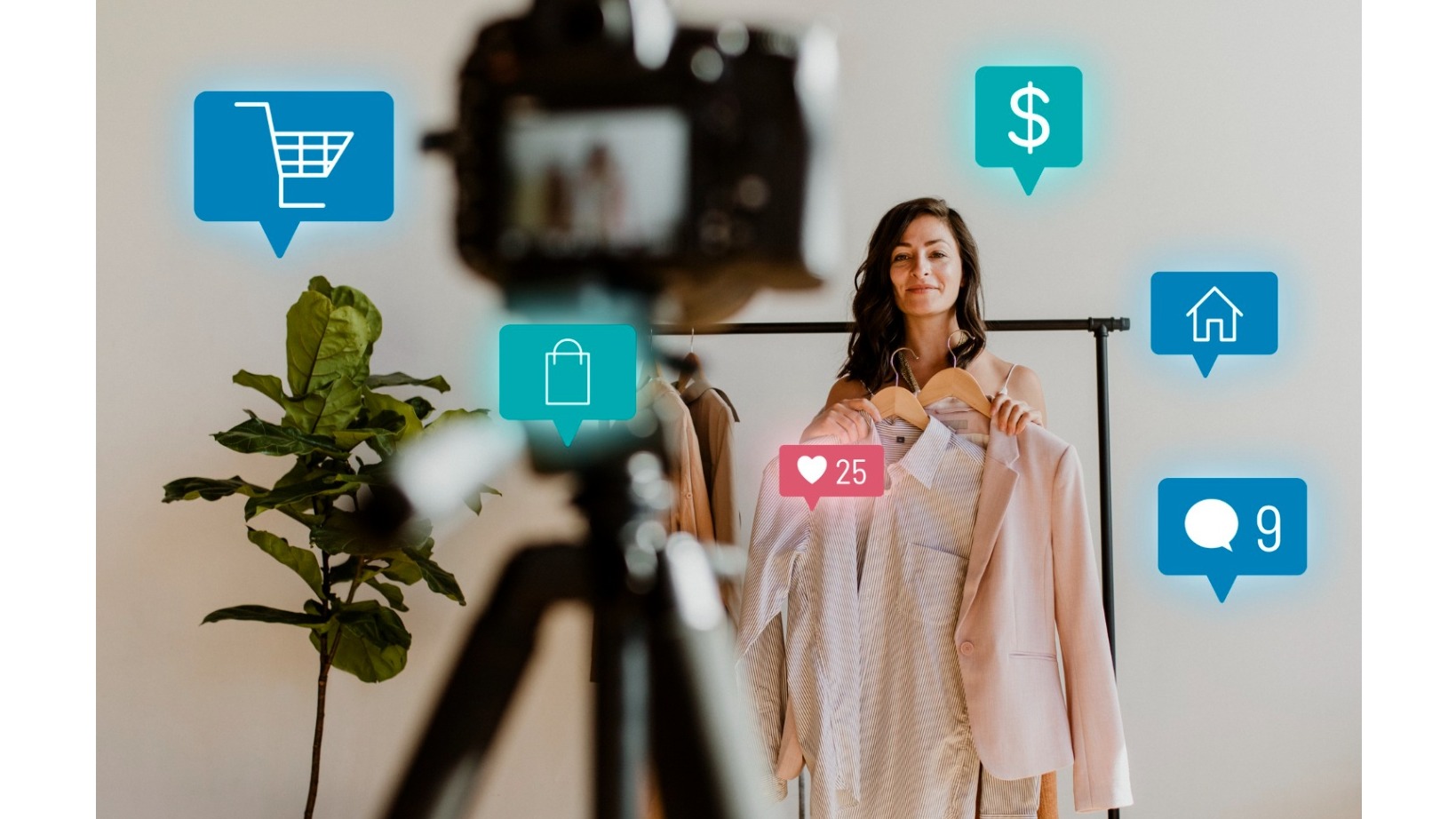
Live-commerce fulfillment is the end-to-end process of receiving, processing, packing, and delivering orders placed during live-stream shopping events. It combines real-time order capture, rapid inventory allocation, accelerated picking and packing, and expedited shipping to meet the high-volume, time-sensitive demand of live sales.
Overview

Implementing Live-Commerce Fulfillment: Best Practices and Operational Playbook
Successful implementation of Live-Commerce Fulfillment is the result of deliberate planning across technology, operations, and partnerships. Live events produce peaks that demand scalable and repeatable responses. This entry provides a practical operational playbook and best practices to deploy live-commerce fulfillment reliably and profitably.
1. Align commercial and operations planning
Begin with cross-functional campaign planning that ties product selection, promotional mechanics, and expected traffic to a fulfillment plan. Forecast scenarios should include best-case, expected, and worst-case order volumes so that fulfillment teams can size staffing, packing capacity, and carrier capacity accordingly. For influencer collaborations or limited drops, plan for higher return rates and allocate buffer inventory.
2. Integrate systems through robust APIs
Real-time inventory and order flows are non-negotiable. Ensure the live-streaming platform integrates with the order management system and WMS via authenticated APIs. Key features should include inventory reservation, order acknowledgement within seconds, status updates pushed back to the streaming environment, and webhook support for cancellations and refunds.
3. Use pre-event staging and kitting
Pre-picking promoted SKUs and creating pre-kitted bundles reduces packing latency and error rates during event peaks. Designate staging lanes in the warehouse, label pre-kitted units with event identifiers, and hold a controlled quantity in a prioritized pick area. This approach is especially effective for limited-edition bundles promoted on stream.
4. Deploy micro-fulfillment nodes where appropriate
To meet same-day or next-day expectations, place inventory close to high-density customer segments. Micro-fulfillment centers, dark stores, and local distribution partners can dramatically cut last-mile times. Use demand heatmaps from prior events to determine optimal micro-fulfillment locations.
5. Optimize picking strategies for burst throughput
Adopt picking patterns that match the event profile. Wave or batch picking can maximize throughput for homogeneous SKUs, while zone picking reduces travel for complex orders. For unpredictable mixes, prioritize picks for time-sensitive or limited-quantity items first. Implement barcode scanning and quality checks at packing stations to prevent mispicks during high-pressure windows.
6. Establish service-level agreements with carriers
Negotiate flexible carrier agreements that accommodate volume spikes. Include options for dedicated capacity, dynamic rate cards, and failover carriers to mitigate capacity shortages during live events. Consider hybrid last-mile solutions like local couriers or crowd-delivery partners for peak periods.
7. Manage customer communications proactively
Set expectations during the stream about delivery windows, return policies, and potential delays. Provide automated order confirmations, tracking links, and proactive notifications for exceptions. Live commerce customers often expect high-touch support; therefore, provision live chat or rapid-response customer service channels during and immediately after events.
8. Prepare for returns and cross-channel reconciliation
Define clear, low-friction return paths tailored to the campaign. Use return labels included in shipments for rapid processing and employ returns routing to the most cost-effective facility. Track returns by campaign to analyze product fit, sizing issues, and promotional impact.
9. Instrument KPIs and run post-event retrospectives
Measure order lead time, promotional fill rate, pick accuracy, packing throughput, cost per order, return rate, and customer satisfaction. After each event, conduct a retrospective to identify bottlenecks and update the playbook. Continuous improvement reduces risk in subsequent events and improves margins.
10. Scale with automation where ROI supports it
Automation investments such as conveyor sortation, automated packing stations, and goods-to-person systems can pay off when event frequency and volume reach sustained levels. Begin with semi-automated solutions like print-on-demand packing slips and automated label applicators to reduce manual steps and errors.
Example implementation scenario
A mid-size brand partners with a popular host for a weekly live drop. The brand forecasts 2x regular daily orders during the 30-minute event. The operations team pre-kits 60% of the promoted SKUs, stages them in a priority lane, and reserves 20% of local micro-fulfillment capacity for same-day shipments. The OMS integrates with the streaming platform for instant reservation, and a secondary courier provides overflow capacity. Customer service is augmented with a temporary chat team for one hour after the stream. Post-event metrics show a 95% on-time delivery rate for priority orders and a 12% uplift in average order value compared with standard e-commerce promotions.
Common mistakes to avoid
- Underestimating peak demand and not having contingency carrier capacity.
- Failing to reserve inventory at order placement, causing oversells and customer dissatisfaction.
- Neglecting returns workflows, which creates post-campaign operational strain and hidden costs.
- Not integrating systems in real time, resulting in manual reconciliations and delays in customer communications.
In Summary
Implementing live-commerce fulfillment successfully requires orchestration across planning, systems
integration, warehouse tactics, and carrier partnerships. A repeatable playbook, informed by campaign-specific forecasts and post-event learnings, enables teams to capture the sales potential of live commerce while maintaining service and profitability.
Sources And Additional Reading (3)
- Small Business Shipping Solutions
“Small Business Shipping Solutions.” UPS, https://www.ups.com/us/en/supplychain/solutions/small-business.page.
- Third-Party Logistics (3PL): What It Is and How It Works
“Third-Party Logistics (3PL): What It Is and How It Works.” Shopify, https://www.shopify.com/enterprise/blog/third-party-logistics-3pl.
- Retail Fulfillment: A Guide to Successfully Fulfilling Retail Orders
“Retail Fulfillment: A Guide to Successfully Fulfilling Retail Orders.” ShipBob, https://www.shipbob.com/blog/retail-fulfillment/.
More from this term
Looking for a 3PL?
Compare warehouses on Racklify and find the right logistics partner for your business.