
Inbound Arrival: International Imports and Customs Compliance
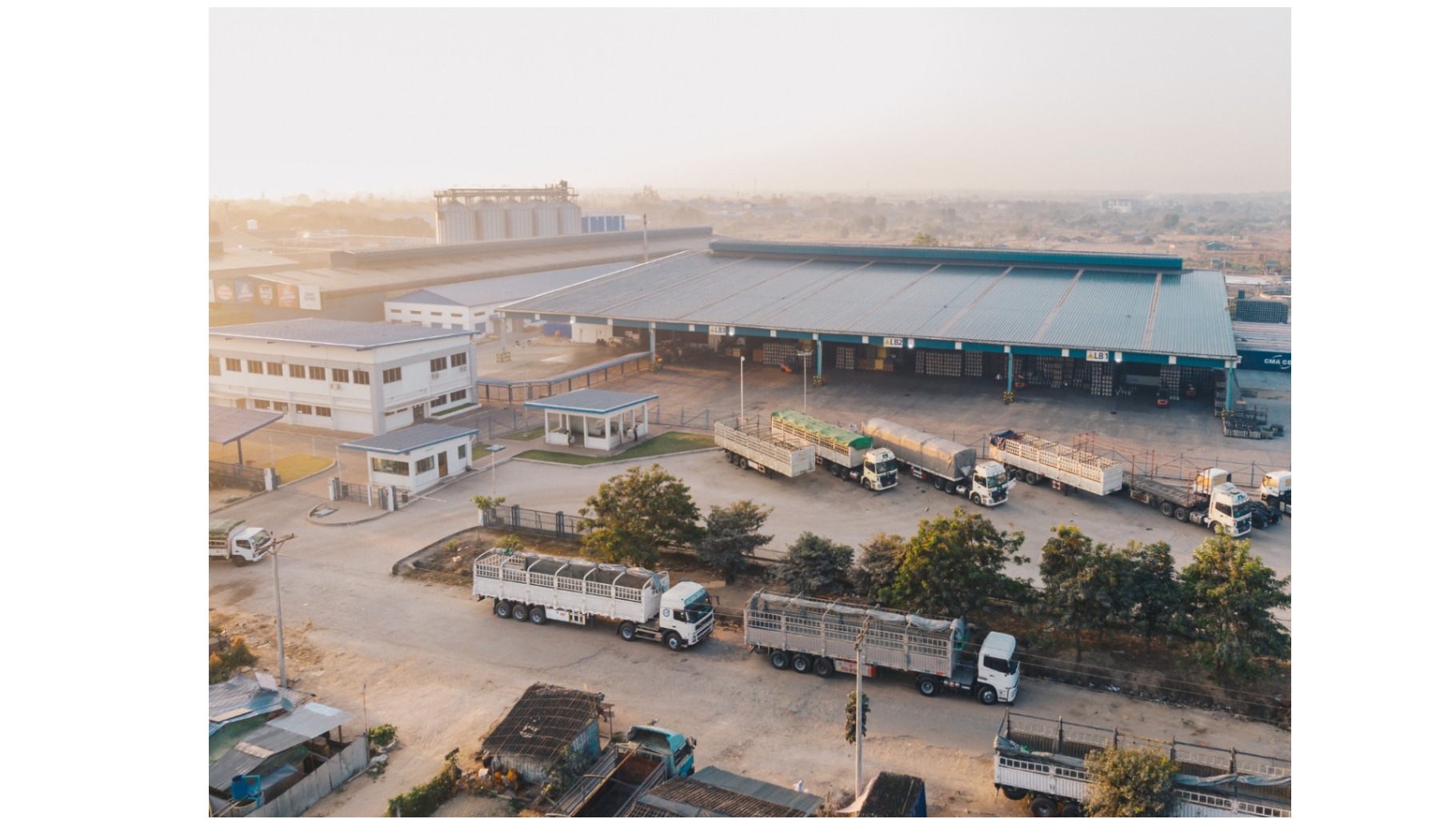
Inbound Arrival
Definition
Inbound arrival is the moment a shipment or goods reach a receiving location such as a warehouse, distribution center, port, or retail site. It begins inbound logistics processes like check-in, unloading, inspection, customs clearance (if applicable) and inventory updating to prepare items for storage or distribution.
Overview

Inbound Arrival: International Imports and Customs Compliance
Inbound Arrival for international shipments refers to the moment cargo reaches a country's port, airport, or border facility and enters the customs and import clearance process. Properly managing inbound arrivals for imports is critical to avoid delays, fines, product holds, and potential disruption to downstream distribution and retail commitments.
Understanding the regulatory landscape
- Customs declarations: Importers must submit accurate customs declarations reflecting commodity codes (HS), values, country of origin, and consignee details. Errors here can trigger inspections or penalties.
- Duties and taxes: Duty rates vary by tariff classification and preferential trade agreements. Importers should calculate expected duties in advance and ensure funds or guarantees are available upon arrival.
- Licenses and permits: Controlled goods (pharmaceuticals, food, chemicals, agricultural products) often require permits, certificates of analysis, sanitary/phytosanitary certificates, or specialized import licenses.
Pre-arrival preparation
- Complete documentation: Commercial invoices, packing lists, bills of lading/air waybills, certificates of origin, and any required licenses should be prepared and validated before arrival to streamline clearance.
- Freight forwarder coordination: Appoint an experienced freight forwarder or customs broker to manage lodgement of documents, pay duties, and arrange inspections when needed.
- Use of bonded facilities: Bonded warehouses allow goods to be stored without immediate duty payment, enabling consolidation, value-added processing, or postponed taxation strategies.
Arrival and customs processing
- Import manifest filing: Carriers file arrival manifests; customs compares these to importer submissions and may select shipments for examination.
- Risk assessment and inspections: Modern customs agencies use risk-based profiling to determine which shipments need physical or documentary inspection. Random examinations still occur and should be anticipated in lead times.
- Release and clearance: After review, customs issues a release. Release may be conditional (e.g., hold for lab testing) or full. Delays can arise from mismatches, missing permits, or incorrect valuations.
Coordination with domestic logistics
- Inland transportation: Arrange carriers with appropriate equipment (temperature control, hazmat certifications) and consider appointment scheduling at inland warehouses to avoid demurrage.
- Temperature and handling compliance: For regulated products, maintain chain-of-custody, temperature logs, and tamper-evident seals from port to warehouse.
- Document handover: Ensure electronic and hardcopy documents accompany goods and are archived in the importer’s system for auditability.
Customs-related challenges and mitigation
- Classification disputes: Engage customs counsel or use binding rulings for high-value or ambiguous products to reduce future risk.
- Valuation issues: Maintain transparent cost breakdowns. Value adjustments or omissions can prompt reassessments and penalties.
- Regulatory changes: Monitor trade policy changes, new sanctions, or sanitary requirements and update supplier documentation and internal checklists.
Best practices for importers
- Develop a pre-arrival checklist: Include HS codes, certificates, consignee details, and responsible broker contacts to reduce last-minute surprises.
- Automate data exchange: Use EDI or API-based data interchange with freight forwarders and customs brokers to minimize data-entry errors and accelerate clearance.
- Segment risk: Prioritize resources on high-risk shipments and use sampling for routine consignments to optimize inspection throughput.
- Training and audits: Regularly train staff on regulatory compliance and audit import transactions to detect recurring issues.
Case example: An apparel importer that migrated to digital document submission and pre-lodgement of customs entries reduced average port dwell time by 40%. The company avoided demurrage charges and improved on-time delivery to distribution centers by scheduling inland transport once electronic release notifications were received.
Common mistakes
- Incomplete paperwork: Missing certificates or incorrect HS codes are the most frequent cause of holds and fines.
- Underestimating inspection lead times: Plan for occasional extended holds due to lab testing or regulatory queries.
- Poor broker selection: Choosing low-cost brokers without subject-matter expertise can increase risk and long-term costs.
In Summary
Managing an inbound arrival for international imports combines meticulous documentation, strategic coordination with brokers and carriers, and proactive risk management. Importers who standardize pre-arrival procedures, leverage digital information flows, and maintain strong relationships with customs specialists will minimize delays and protect margins.
Sources And Additional Reading (3)
- Guide to Ecommerce Fulfillment for 3PLs
“Guide to Ecommerce Fulfillment for 3PLs.” Extensiv, https://www.extensiv.com/blog/guide-to-ecommerce-fulfillment-for-3pls.
- Small Business Shipping Solutions
“Small Business Shipping Solutions.” UPS, https://www.ups.com/us/en/supplychain/solutions/small-business.page.
- Industry Guidance For Recalls
“Industry Guidance For Recalls.” U.S. FDA, https://www.fda.gov/safety/recalls-market-withdrawals-safety-alerts/industry-guidance-recalls.
More from this term
Looking for a 3PL?
Compare warehouses on Racklify and find the right logistics partner for your business.