
Inbound Arrival: Operational Guide for Warehouse Receiving
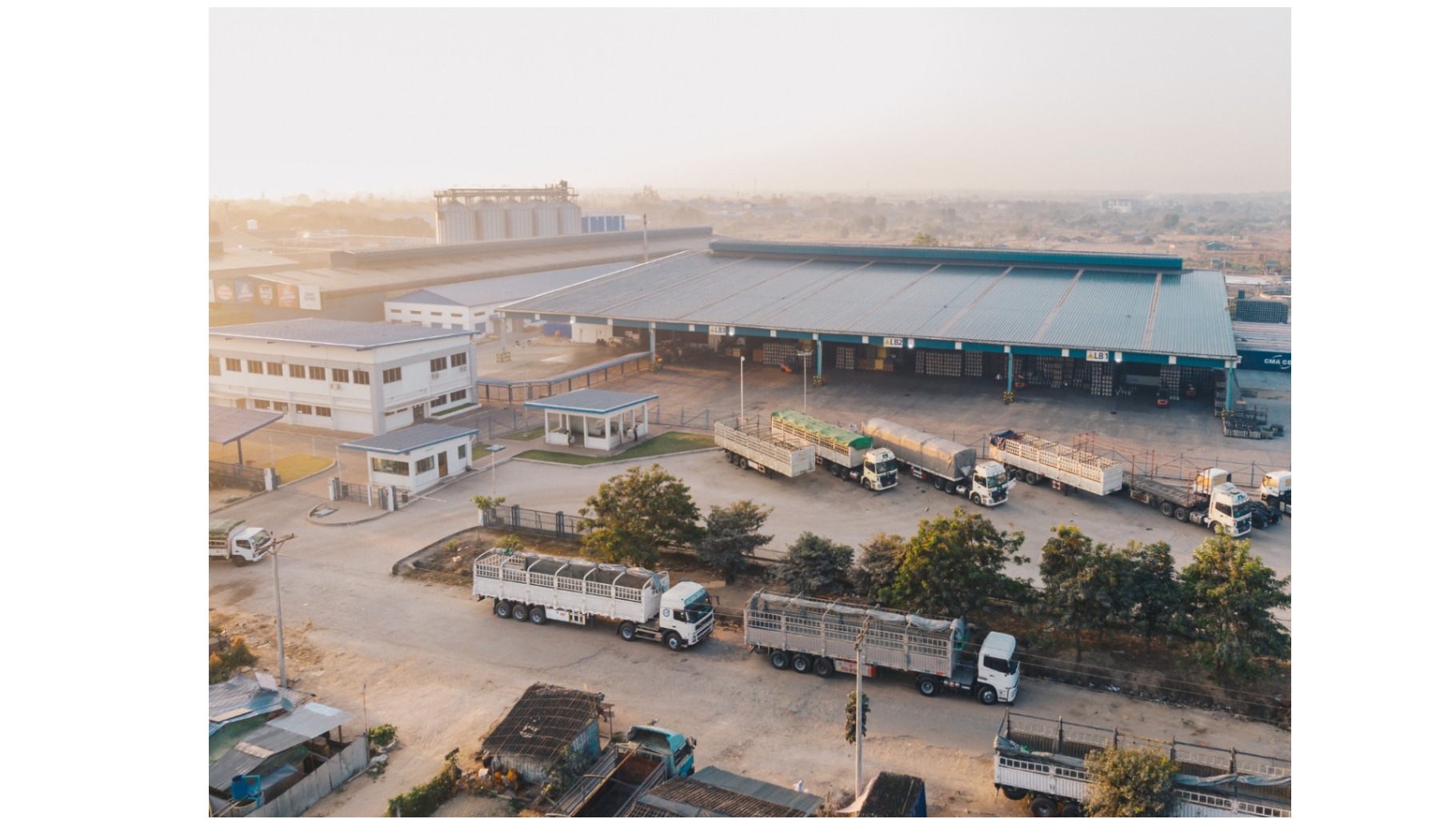
Inbound Arrival
Definition
Inbound arrival is the moment a shipment or goods reach a receiving location such as a warehouse, distribution center, port, or retail site. It begins inbound logistics processes like check-in, unloading, inspection, customs clearance (if applicable) and inventory updating to prepare items for storage or distribution.
Overview

Inbound Arrival: Operational Guide for Warehouse Receiving
Inbound Arrival denotes the sequence of operational steps that begin when inbound freight arrives at a warehouse facility and continue through unloading, verification, staging, and the handover to inventory systems. Efficient management of inbound arrivals directly affects inventory accuracy, labor productivity, dock throughput, customer lead times, and overall supply chain reliability.
Key components of a robust inbound arrival process include pre-arrival communication, gate operations, unloading and handling, quality and quantity verification, documentation processing, staging for putaway or cross-dock, and the resolution of exceptions. Each stage requires clear responsibilities, appropriate equipment, trained personnel, and aligned information flow between carriers, warehouse teams, and upstream stakeholders such as suppliers and transportation providers.
Pre-arrival activities
- Advanced Shipping Notices (ASN) and Electronic Data Interchange (EDI): An ASN provides expected shipment contents, pallet counts, weights, dimensions, and any special handling instructions. When integrated into the warehouse management system (WMS), ASNs allow pre-allocation of labor, staging space, and specialized equipment.
- Appointment Scheduling: Slotting inbound arrivals helps control dock congestion and balances unloading resources. Appointment systems should account for carrier lead times, loading practices at origin, and variability caused by traffic or customs delays.
- Pre-check Documentation: Validate purchase orders, commercial invoices, shipping manifests, and any regulatory paperwork ahead of arrival where possible to speed processing.
Gate and yard operations
- Gate Check-in: Capture carrier identity, trailer number, shipment reference numbers, seal condition, and time-stamp arrivals. Digital gate solutions reduce paperwork and update the WMS in real time.
- Trailer Inspection and Security: Verify seals, record damage, and confirm temperature logs for temperature-controlled shipments. Secure staging locations minimize theft and protect product integrity.
- Yard Management: Use yard management systems to sequence trailers to docks based on priority, special handling requirements, and space availability.
Unloading and handling
- Dock Assignment: Assign docks based on product type, unloading method (side vs. rear), and immediate next steps (putaway vs. cross-dock).
- Labor and Equipment: Plan for forklifts, pallet jacks, conveyors, and lift-gates. Cross-training staff reduces bottlenecks when volume spikes occur.
- Unloading Safety: Enforce safe procedures for trailer de-energizing, chocking, and use of fall protection when unloading from high trailers.
Inspection, verification and receiving
- Quantity and Quality Checks: Perform a risk-based sampling strategy: 100% check for high-value or high-risk items, sample checks for routine SKUs. Record discrepancies immediately.
- Damage Assessment and Claims: Document damage with photos and detailed notes. Retain proof of condition for carrier or supplier claims.
- System Transactions: Record receipt lines in the WMS/ERP, update inventory on hand or stage for quarantined inventory if quality issues exist.
Staging, putaway and cross-dock
- Staging for Putaway: Sort by storage location type (bulk, rack, bin) and pick velocity. Include labeling for fast putaway and clear routing for putaway teams.
- Cross-docking: For time-sensitive or pre-sorted shipments, route goods directly from inbound to outbound docks to minimize handling and storage costs.
- Quarantine and Inspection Areas: Segregate suspect product pending inspection, testing, or return authorization to avoid contamination of sellable inventory.
Documentation and handover
- Complete Receiving Paperwork: Ensure signed delivery receipts, updated shipping manifests, customs clearances (if import), and digital records are filed and accessible.
- Communication: Notify procurement, planning, and order-fulfillment teams of receipt status and any discrepancies that could impact customer orders.
Performance metrics and continuous improvement
- KPIs to monitor: dock-to-stock time, receiving accuracy, damage rate, labor hours per pallet, trailer turnaround time, and appointment adherence.
- Root-cause analysis: Use exception logs to identify recurring supplier issues, packaging failures, or carrier handling problems and implement corrective actions.
- Lean practices: Standardize receiving processes, balance workloads, and use continuous improvement cycles (Plan-Do-Check-Act) to reduce variability.
Common mistakes and mitigation
- Poor scheduling: Leads to dock congestion—mitigate with strict appointment windows and penalties/incentives for adherence.
- Relying solely on manual records: Increases errors—adopt digital gate solutions and WMS integrations.
- Insufficient communication: Causes downstream disruption—automate alerts for exceptions and arrival confirmations.
Real-world example:
A mid-sized food distributor reduced dock-to-stock time by 28% after implementing integrated ASNs, a simple appointment scheduler, and a standardized receiving checklist. The changes decreased spoilage, improved order fill rates, and lowered overtime costs during peak seasons.
In Summary
Effective management of Inbound Arrival requires a combination of pre-arrival planning, disciplined dock operations, accurate verification, and tight information flows. With the right people, processes, and technology, warehouses can turn inbound arrivals from a bottleneck into a competitive advantage.
Sources And Additional Reading (3)
- 3PL integration: How to automate fulfillment across ERP, ecommerce, WMS, and EDI
“3PL integration: How to automate fulfillment across ERP, ecommerce, WMS, and EDI.” Celigo, https://www.celigo.com/blog/3pl-integration/.
- Guide to Ecommerce Fulfillment for 3PLs
“Guide to Ecommerce Fulfillment for 3PLs.” Extensiv, https://www.extensiv.com/blog/guide-to-ecommerce-fulfillment-for-3pls.
- eCommerce Fulfillment Strategies to Keep Orders Moving
“eCommerce Fulfillment Strategies to Keep Orders Moving.” Inbound Logistics, https://www.inboundlogistics.com/articles/ecommerce-fulfillment-how-to-keep-it-rolling/.
More from this term
Looking for a 3PL?
Compare warehouses on Racklify and find the right logistics partner for your business.