
Inbound Arrival: Technology, Scheduling & KPIs
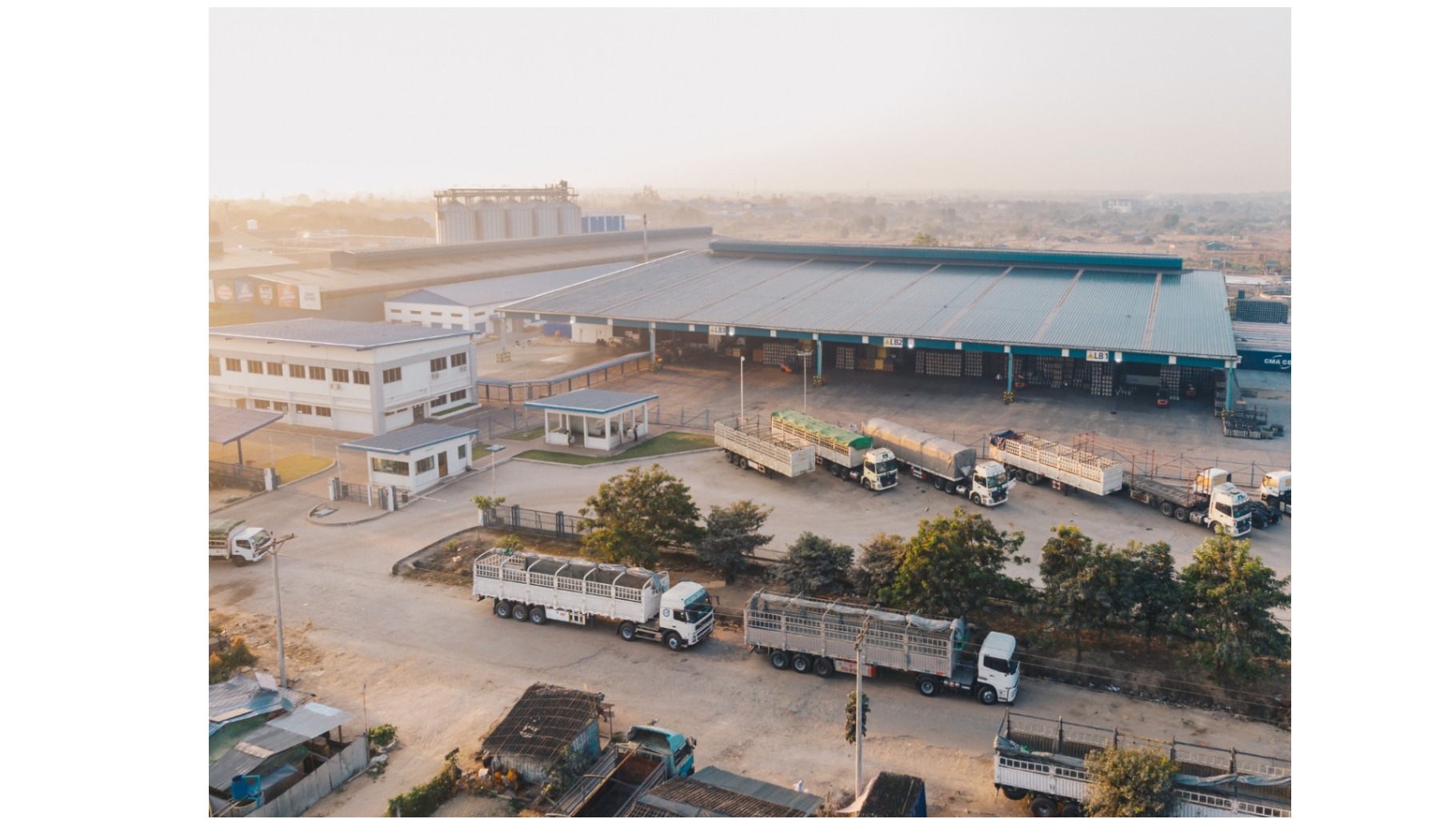
Inbound Arrival
Definition
Inbound arrival is the moment a shipment or goods reach a receiving location such as a warehouse, distribution center, port, or retail site. It begins inbound logistics processes like check-in, unloading, inspection, customs clearance (if applicable) and inventory updating to prepare items for storage or distribution.
Overview
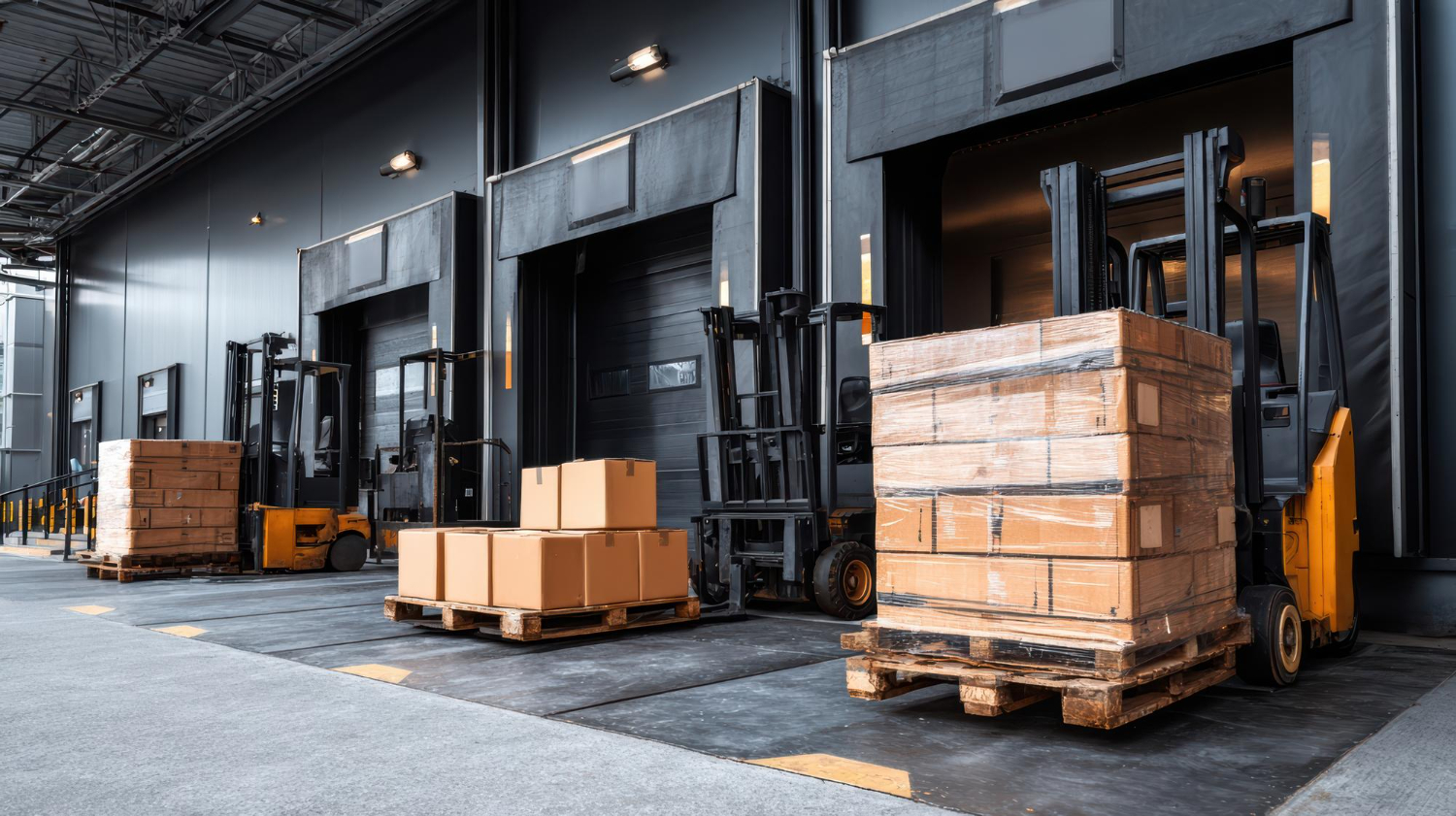
Inbound Arrival: Technology, Scheduling & KPIs
Technology and structured scheduling transform Inbound Arrival from an unpredictable event into a controlled, measurable operation. Integrations between carrier systems, transportation management systems (TMS), warehouse management systems (WMS), and yard management systems (YMS) create a seamless flow of information that enables accurate planning, rapid processing, and continuous improvement.
Core technological elements
- Advanced Shipping Notice (ASN): ASNs contain SKU-level details, pallet configurations, and handling instructions. When parsed by a WMS, they enable pre-receiving activities such as labor forecasting and temporary storage allocation.
- Appointment scheduling systems: Digital appointment booking ensures dock capacity is matched to inbound volume. Modern systems support dynamic slotting, automated confirmations, and penalties or incentives for no-shows or late arrivals.
- WMS and TMS integration: Real-time handoffs between WMS and TMS allow the warehouse to react to carrier ETAs, update order statuses, and trigger outbound planning in parallel with inbound processing.
- Yard management and dock automation: YMS optimizes trailer sequencing and reduces yard congestion. Dock automation (digital check-in kiosks, mobile scanner apps) minimizes paperwork and improves traceability.
Scheduling strategies
- Time-slot optimization: Use historical arrival patterns to allocate slots that balance labor and equipment utilization with service-level goals.
- Priority and exception handling: Reserve flexible slots for expedited shipments and build contingency plans for late arrivals or equipment failures.
- Batching and consolidation: Group inbound arrivals by destination zone, handling type, or SKU similarity to reduce move counts during putaway.
Performance measurement
- Dock-to-stock time: The elapsed time from vehicle arrival to product availability in inventory—key for perishable goods and rapid fulfillment models.
- Receiving accuracy: Percentage of line items received without discrepancy; high accuracy reduces rework and claim costs.
- Trailer turnaround: Average time trailers occupy the dock and yard, affecting carrier schedules and detention costs.
- Labor productivity: Units or pallets processed per labor hour during inbound operations.
- Appointment adherence: Percent of arrivals within scheduled windows—low adherence signals scheduling or carrier performance issues.
Using data to drive improvements
- Root cause analytics: Link KPIs with ASN and carrier data to find systemic issues—e.g., a supplier consistently sending under-counted pallet labels.
- Real-time dashboards: Display inbound metrics by shift and dock to enable immediate corrective actions and allocation of resources.
- Predictive insights: Leverage historical ETA variance to predict delays and auto-notify downstream teams to reschedule labor or carriers.
Automation and advanced capabilities
- Parcel and barcode scanning: Mobile scanning reduces manual errors and accelerates inventory updates.
- RFID and vision systems: Automate identification of pallets or cartons and speed reconciliation during high-volume events.
- Robotics and conveyors: For high-throughput operations, mechanized unloading and automated putaway can drastically cut dock-to-stock times.
Implementation best practices
- Phased roll-out: Begin with pilot docks or product lines to validate integrations and staff workflows before scaling.
- Change management: Train staff and communicate the benefits of new tools. Engage carriers and suppliers early to align EDI or ASN formats.
- Data governance: Standardize SKU naming, unit-of-measure, and ASN formats to prevent mapping errors between systems.
Common pitfalls
- Over-automation without process standardization: Technology amplifies bad processes; standardize before automating.
- Insufficient integration testing: Unvalidated mapping between TMS and WMS often causes misrouted stock and reconciliation issues.
- Ignoring human factors: Involve frontline teams in solution design to ensure workflows are practical and safe.
Example: A retailer implemented ASN-driven pre-receiving and a simple appointment system. By integrating carrier ETAs with the WMS and allocating receiving teams by expected load, the retailer reduced average receiving labor hours by 22% and improved receiving accuracy to 99.6%.
In Conclusion
Technology and disciplined scheduling transform Inbound Arrival into a predictable, measurable process. Prioritize data quality, phased implementations, and clear KPIs to unlock operational efficiency, reduce costs, and improve service levels.
Sources And Additional Reading (3)
- Third-Party Logistics (3PL): What It Is and How It Works
“Third-Party Logistics (3PL): What It Is and How It Works.” Shopify, https://www.shopify.com/enterprise/blog/third-party-logistics-3pl.
- Warehousing - Hazards and Solutions
“Warehousing - Hazards and Solutions.” OSHA, https://www.osha.gov/warehousing/hazards-solutions.
- Subscription Box Fulfillment & Kitting
“Subscription Box Fulfillment & Kitting.” Shipfusion, https://www.shipfusion.com/fulfillment/subscription-box-fulfillment.
More from this term
Looking for a 3PL?
Compare warehouses on Racklify and find the right logistics partner for your business.