
Last-Mile Delivery Models and Enabling Technologies
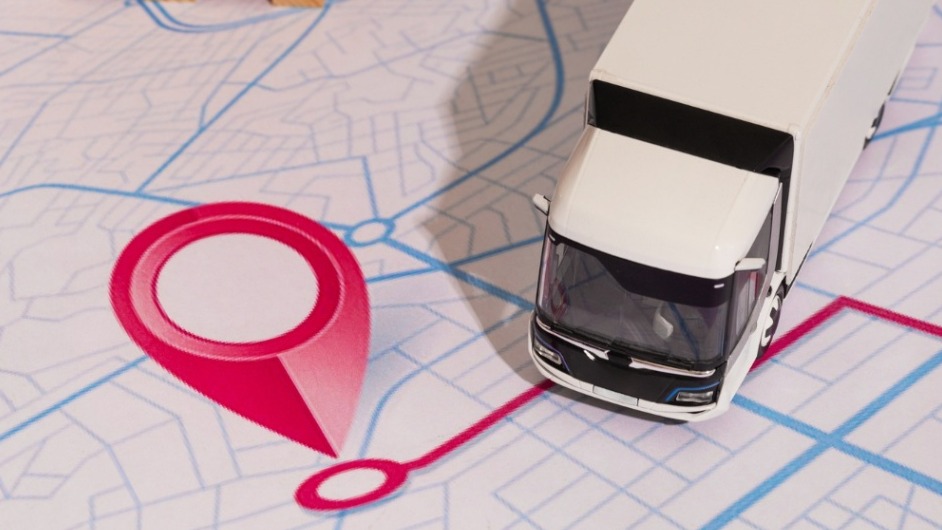
Last-Mile
Definition
Last-mile refers to the final segment of the delivery process when goods are transported from a distribution center, warehouse, or transportation hub to the end customer or retail location. It is often the most costly and complex part of the supply chain due to the need for fast, flexible routing, tight delivery windows, and challenges like urban congestion and failed delivery attempts.
Overview
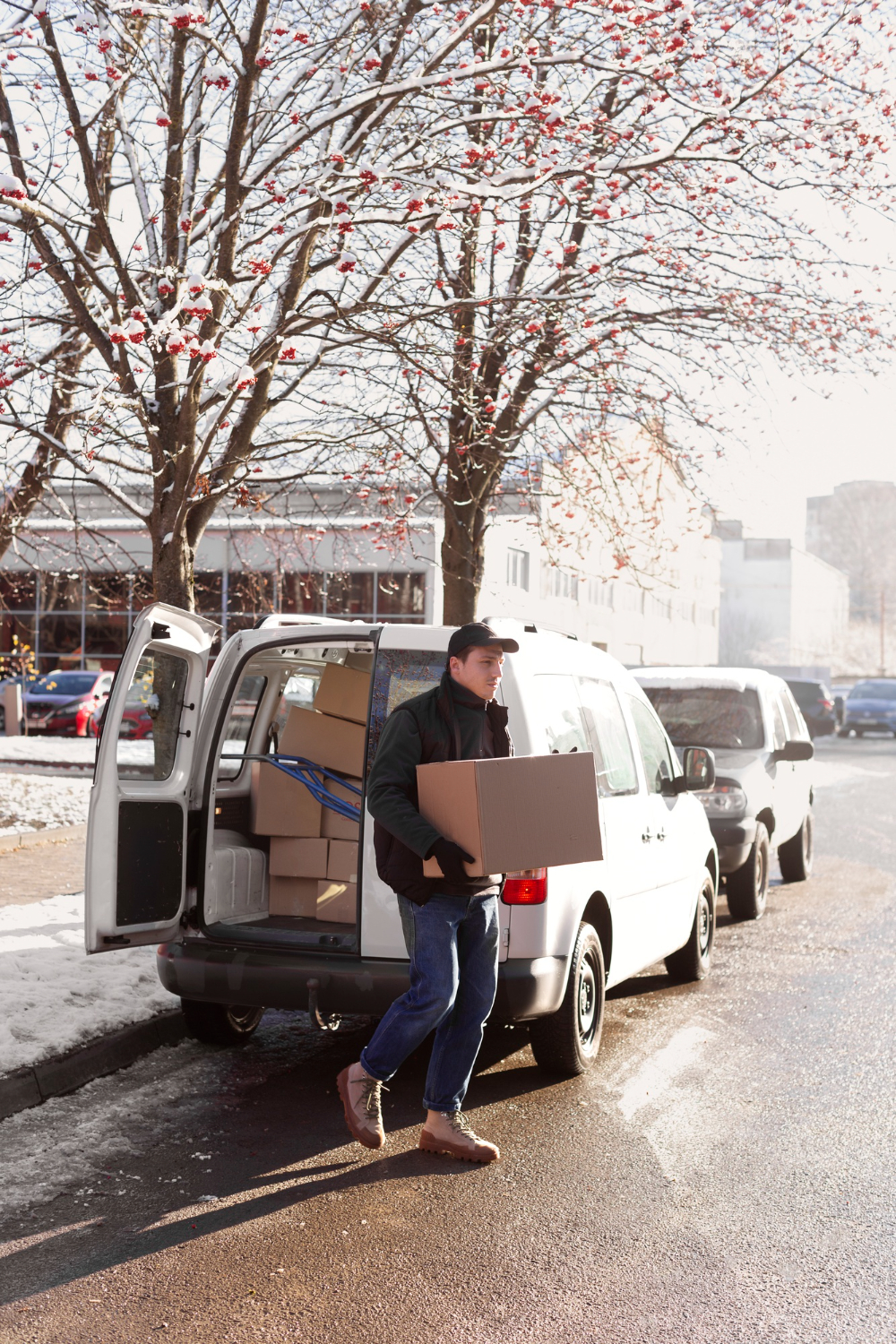
Last-Mile Delivery Models and Enabling Technologies
Last-Mile operations are executed through a range of delivery models and enabled by a spectrum of technologies. Selecting the appropriate model depends on order profiles, geographic density, cost targets, service-level commitments, and brand strategy. This entry surveys common delivery models and the technologies that make them feasible, with examples of when each approach is most effective.
Primary last-mile delivery models:
- Carrier-led networks: Traditional carriers (e.g., UPS, FedEx, DHL) operate scheduled pickups and delivery routes. These networks offer broad geographic coverage and predictable SLAs, and are well-suited for standard parcel volumes and business-to-business shipments.
- Dedicated home delivery: Retailers or logistics providers run their own fleets for direct-to-consumer deliveries. This model provides control over brand experience and timing; large retailers like Target and Walmart use dedicated fleets for key markets.
- Parcel lockers and collection points: Centralized pickup locations or lockers (operated by postal services, retailers, or third parties) reduce failed-delivery rates and increase delivery density. Amazon Lockers and lockers in convenience stores are common implementations.
- Crowdshipping / gig couriers: Platforms recruit independent drivers to fulfill routes on demand. This model scales flexibly and supports same-day or immediate deliveries — useful for irregular peaks or rapid grocery delivery.
- Micro-fulfillment and local hubs: Mini-warehouses near customer clusters (urban micro-fulfillment centers) shorten delivery distances and accelerate same-day fulfillment. Grocery chains and e-commerce platforms use micro-fulfillment to support rapid delivery promises.
- Hybrid models: Combining carriers with local partners, lockers, and owned fleets allows businesses to match service quality with cost controls depending on the market and demand pattern.
Technologies that enable and optimize these models:
- Route optimization and dynamic dispatch: Advanced algorithms reduce mileage, avoid congestion, and sequence stops to maximize driver productivity. Real-world savings are significant when dynamic re-routing is applied during daily operations.
- Delivery management platforms: Software that centrally manages orders, driver assignments, ETAs, proof-of-delivery, and customer communication. These platforms are critical for visibility and exception handling.
- Transportation Management Systems (TMS) and integrations: A TMS coordinates trucking, carrier selection, and rate management and integrates last-mile execution with upstream warehouse and order management systems.
- Mobile applications and driver tools: Apps provide turn-by-turn guidance, allow barcode scanning for verification, capture signatures and photo evidence, and enable real-time status updates to customers and back-office systems.
- Real-time tracking and telematics: GPS tracking and telematics provide location data for vehicles and drivers, enabling accurate ETAs, performance measurement, and exception alerts.
- Automation and robotics: Automated guided vehicles (AGVs), sidewalk delivery robots, and drones are being piloted to reduce labor costs and improve last-mile access in constrained environments.
- Machine learning and forecasting: Predictive analytics improve demand forecasting, anticipate peak periods, and support capacity planning for staffing, vehicle allocation, and micro-fulfillment inventory placement.
Choosing a model requires assessing trade-offs. For instance, crowdshipping provides rapid scalability and lower fixed costs but can sacrifice consistency in customer experience and complicate returns handling. Dedicated fleets offer brand control and consistent service but require substantial capital and operational overhead. Parcel lockers lower per-delivery costs and reduce failed deliveries but may inconvenience customers who prefer home delivery.
Examples of model-technology pairings:
- Same-day grocery delivery: Often uses micro-fulfillment centers plus gig couriers coordinated by delivery management apps that prioritize freshness, route density, and short delivery windows.
- Urban e-commerce delivery: Carriers combine route optimization, consolidation at local hubs, and lockers to manage congestion and cut costs in dense city centers.
- Rural and B2B deliveries: Traditional carrier networks with scheduled routes remain efficient where drop density is low and predictability is more important than speed.
Adoption challenges include data integration between systems (WMS, OMS, TMS), governance for third-party couriers, security and proof-of-delivery mechanisms, and regulatory hurdles for new technologies such as drones or autonomous vehicles. Equally important are organizational changes: training drivers on new tools, reconfiguring warehouse workflows for micro-fulfillment, and establishing KPIs for customer experience and cost.
In Conclusion
The Last-Mile landscape is diverse: multiple delivery models coexist and are each made feasible by a stack of enabling technologies. The optimal configuration varies by product type, geography, and customer expectations, and successful implementations tightly integrate people, processes, and technology to balance cost, speed, and service quality.
Sources And Additional Reading (3)
- Ecommerce Logistics
“Ecommerce Logistics.” DHL, https://www.dhl.com/global-en/home/our-divisions/supply-chain/solutions/e-commerce.html.
- 3PL Integration
“3PL Integration.” Celigo, https://www.celigo.com/blog/3pl-integration/.
- Recall Guidance
“Recall Guidance.” U.S. FDA, https://www.fda.gov/safety/recalls-market-withdrawals-safety-alerts/industry-guidance-recalls.
More from this term
Looking for a 3PL?
Compare warehouses on Racklify and find the right logistics partner for your business.