
Leakproof Packaging Solutions That Prevent Costly Shipping Losses
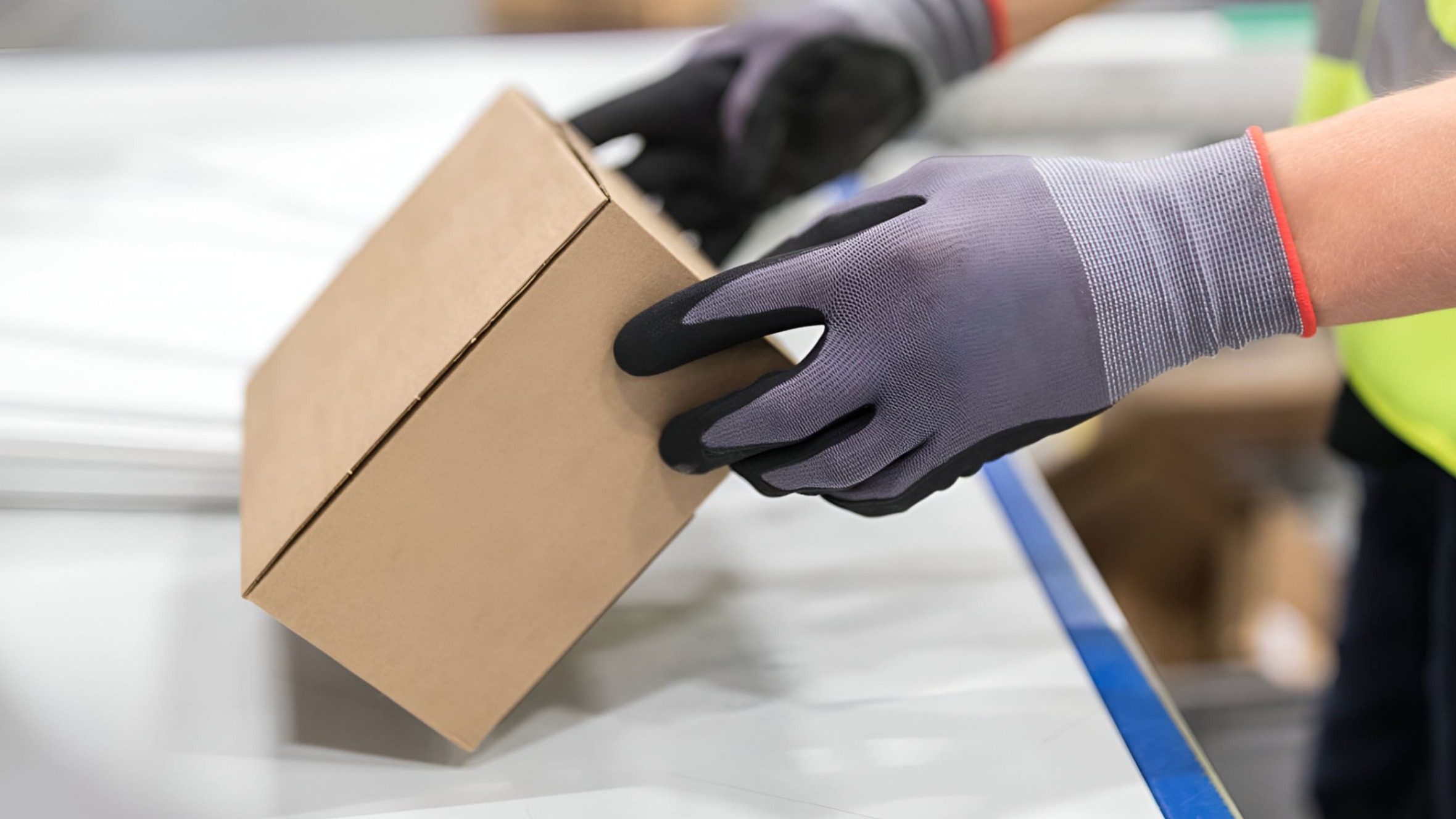
Leakproof Packaging
Definition
Leakproof packaging is packaging engineered to prevent liquids, gels, or semi-liquid contents from escaping during storage, handling, and transport. It relies on secure seals, barrier materials, and robust closures to protect the product, surrounding shipments, and the environment from contamination or damage.
Overview
What is leakproof packaging?
Leakproof packaging refers to a combination of containers, closures, liners and handling practices designed to prevent the escape of liquids, gels, or other flowable products during handling, storage and transit. It is a systems approach that balances material selection, seal technologies, overpacking and quality control to keep goods contained from point A to point B.
Why it matters
When liquids leak in transit, costs add up quickly: lost product, damaged cartons or pallets, hazardous cleanup, rejected shipments and unhappy customers. For food, chemicals or pharmaceuticals, leaks can also create regulatory, safety and reputational risks. Investing in leakproof packaging lowers these risks and reduces overall supply chain costs.
Common types of leakproof solutions
- Rigid containers: Metal drums, plastic jerrycans, PET bottles and glass jars with appropriate liners and closures.
- Flexible liners and bags: Drum liners, bag-in-box systems and stand-up pouches with strong seals for liquids or semi-liquids.
- Sealing technologies: Heat seals, induction seals, crimped caps, gaskets and tamper-evident closures.
- Secondary containment: Overpacking with sealed trays, double-bagging, sealed plastic tubs or bunded pallets to contain any potential leak.
- Absorbents and cushioning: Internal absorbent pads, molded cushioning and partitioning to prevent migration and protect primary packaging.
Key design principles
- Product-compatibility: Choose materials that resist chemical attack, swelling or migration for the specific product (e.g., aggressive solvents vs. food-grade oils).
- Seal integrity: Use seals validated for expected pressures, temperatures and handling conditions (induction seals, heat-fused seams, gasketed closures).
- Redundancy: Where risk is high, combine primary and secondary containment (e.g., sealed bottle inside a lined box).
- Handling-focused design: Account for drops, vibration, stacking loads and pressure changes common in transport modes (air, sea, road).
- Testing and validation: Simulate real transit conditions to validate performance before scaling up.
Testing and standards
Testing turns design intent into real-world assurance. Practical tests include pressure/vacuum cycling, incline-impact, drop and vibration testing, and integrated packaging tests that simulate palletized transit. Industry testing protocols such as ISTA guidelines are commonly used to validate packaging performance. For regulated goods (food, pharmaceuticals, hazardous materials), additional compliance tests and records are often required.
Best practices for implementation
- Assess the product: Understand viscosity, volatility, temperature sensitivity and chemical compatibility.
- Select appropriate materials and closures: Match container and liner materials to the product and transport conditions.
- Design for transit: Consider packaging orientation, palletization, shock and stack loads.
- Use secondary containment when necessary: For high-value or hazardous liquids, require sealed overpacks or containment trays.
- Validate with tests: Run transit simulations and leakage tests; document results and set acceptance criteria.
- Labeling and documentation: Mark packages clearly with handling instructions and include emergency info where required.
- Train handlers: Ensure warehouse and transport staff know correct capping torques, sealing procedures and inspection routines.
- Monitor and iterate: Use returns and incident data to refine materials and processes.
Practical examples
• Food condiments: Many sauce manufacturers use glass or PET bottles with induction foil seals under a screw cap, plus cardboard partitions to reduce bottle-to-bottle contact.
• Industrial chemicals: Drum liners and capped polyethylene drums are common; drums are often overpacked on pallets with spill-containment trays.
• Home-care liquids: Detergents use child-resistant, gasketed caps and tamper-evident bands; bottles are often shrink-wrapped on pallets to prevent tipping.
Sustainability considerations
Leakproof design can work with sustainability goals. Strategies include lightweighting (reducing unnecessary bulk while preserving seal performance), selecting recyclable polymers (e.g., HDPE or PET where accepted by recycling streams), designing for reuse (refillable bottles or returnable totes) and reducing overpack waste by choosing tested, optimized primary containment. Balance is key: minimizing materials must not compromise containment.
Cost vs. benefit
Higher-quality leakproof solutions often raise unit packaging costs, but these are offset by fewer returns, lower claims, reduced cleanup and stronger customer trust. For high-value products or regulated goods, investing in validated leakproof packaging is typically cost-effective and risk mitigating.
Common mistakes to avoid
- Using incompatible materials that degrade or swell when in contact with the product.
- Skipping validation testing and assuming a seal will hold under all transport conditions.
- Underestimating how temperature and pressure changes (e.g., air transport) affect containers.
- Relying solely on primary packaging for hazardous or high-risk liquids without secondary containment.
- Poor handling procedures or inconsistent sealing practices at packing time.
Quick checklist for beginners
- Know your product’s physical and chemical properties.
- Choose container and closure materials accordingly.
- Validate with transit and leakage tests (use ISTA or similar protocols).
- Use secondary containment for high-risk products.
- Train staff and document procedures.
- Track incidents and continuously improve.
Leakproof packaging is a practical, testable and cost-saving part of any shipping strategy. By matching materials to products, validating seals for real-world conditions, and building basic handling and containment practices into operations, even beginners can significantly reduce costly shipping losses. If you’re starting, focus on product compatibility, basic testing and simple secondary containment — small investments here yield big reductions in leaks and claims.
Sources And Additional Reading (3)
- Ecommerce Fulfillment
“Ecommerce Fulfillment.” FedEx, https://www.fedex.com/en-us/small-business/ecommerce/fulfillment.html.
- Ecommerce Fulfilment Guide
“Ecommerce Fulfilment Guide.” Asendia, https://www.asendia.com/asendia-insights/ecommerce-fulfilment-guide.
- Subscription Fulfillment
“Subscription Fulfillment.” Shipfusion, https://www.shipfusion.com/fulfillment/subscription-box-fulfillment.
More from this term
Looking for a 3PL?
Compare warehouses on Racklify and find the right logistics partner for your business.