
Leakproof Packaging: The Key to Safer and Smarter Supply Chains
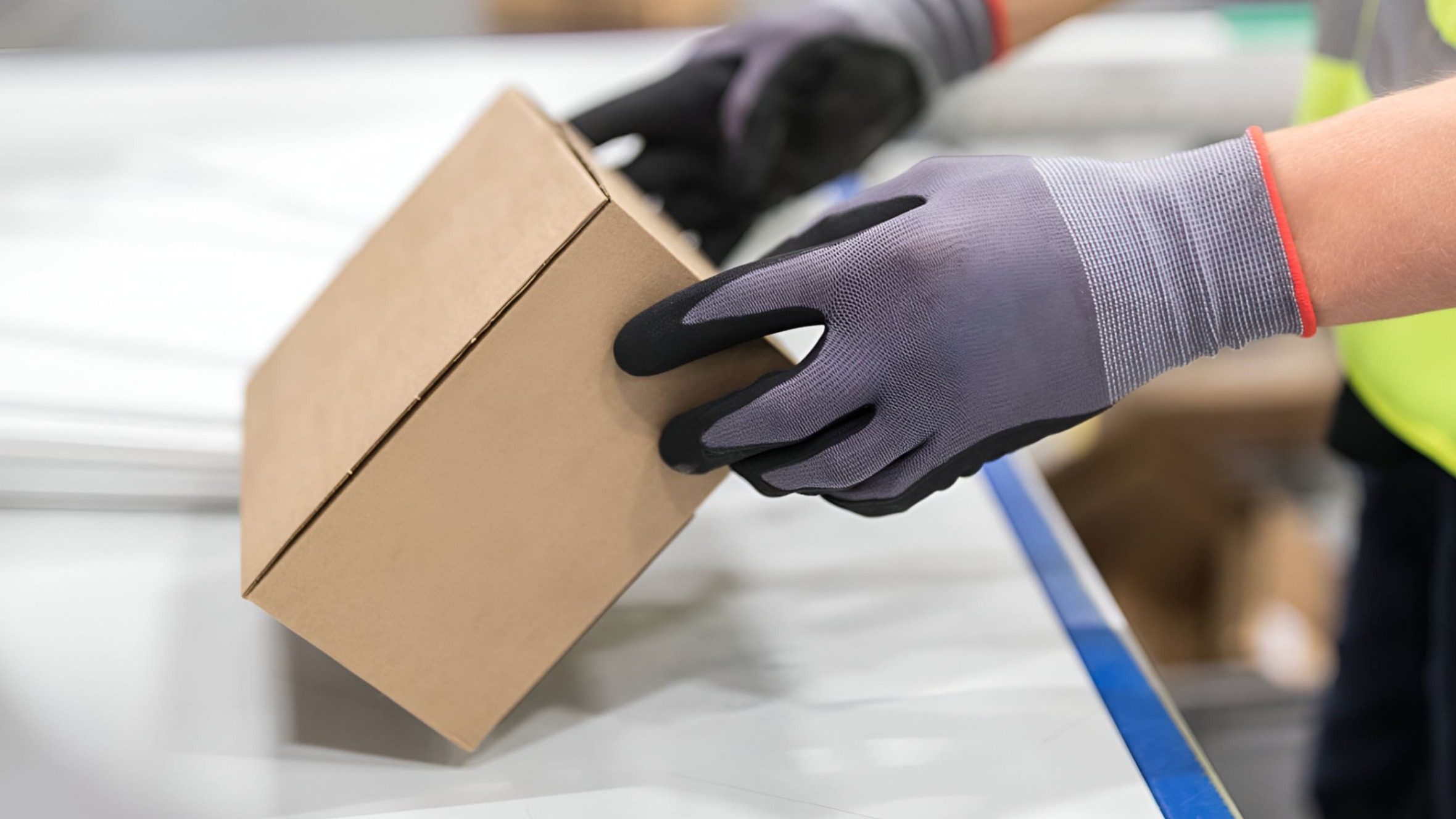
Leakproof Packaging
Definition
Leakproof packaging is packaging engineered to prevent liquids, gels, or semi-liquid contents from escaping during storage, handling, and transport. It relies on secure seals, barrier materials, and robust closures to protect the product, surrounding shipments, and the environment from contamination or damage.
Overview
What leakproof packaging is
Leakproof packaging is any container, closure, lining or system engineered to stop liquids, pastes, gels or vapors from escaping during handling, storage and transport. It includes a broad range of primary, secondary and tertiary solutions—from sealed bottles and sachets to lined drums and bulk containers with tight valves and pallet-level containment. The goal is to preserve product quality, protect people and property, and minimize environmental impact.
Why leakproof packaging matters (beginner-friendly)
Imagine a pallet of shampoo bottles that leak in transit, a drum of cleaning solvent that seeps in a warehouse, or a bag of salad dressing that breaks open during order fulfillment. Leaks create immediate problems: product loss, contaminated shipments, damaged packaging, return logistics, regulatory penalties and safety hazards for workers. Leakproof packaging reduces these risks, lowering costs and improving reliability across the supply chain.
Common uses and examples
Leakproof packaging is vital across many industries. Typical examples include:
- Food and beverage: sealed pouches, aseptic cartons, PET bottles with tamper-evident caps to prevent spoilage and contamination.
- Pharmaceuticals and biologics: vials, ampoules and specialized liners meeting strict sterility and containment standards.
- Chemicals and hazardous goods: UN-certified drums, lined intermediate bulk containers (IBCs) and tight-valved tanker fittings that prevent spills and meet regulatory rules for dangerous goods.
- Cosmetics and personal care: airless pumps and multi-layer tubes that stop leakage and oxidation.
- E-commerce and fulfillment: leakproof polybags, absorbent pads and secondary containment to protect mixed shipments.
Key elements of leakproof systems
Effective leakproof packaging relies on several complementary elements:
- Container material: Plastics (HDPE, PET), glass, metal and multilayer films each offer different barrier properties, chemical resistance and strength.
- Seals and closures: Screw caps with liners, induction seals, heat seals, crimped caps and welded seams are common methods to create an airtight, liquid-tight closure.
- Design features: Rounded corners, smooth interior surfaces, pressure-relief valves and tamper-evident features reduce points of failure.
- Secondary containment: Overpack drums, bunded pallets, trays and sealed cartons catch leaks and prevent cross-contamination.
- Testing and validation: Drop tests, pressure or vacuum tests, hydrostatic testing and leak-detection analyses (e.g., dye or tracer gas tests) validate performance.
Standards and regulations (simple overview)
Leakproof packaging for hazardous or regulated products often needs to meet international and national rules. For example, transport of dangerous goods may require UN performance-certified packaging; airlines follow IATA rules; and road or sea transport can be governed by local or international regulations. Food and pharma sectors have additional hygiene and materials requirements. For beginners: always ask whether your product is regulated and confirm packaging meets the relevant certification.
Benefits for supply chains
Implementing leakproof packaging delivers immediate and longer-term benefits:
- Safety: Fewer spills mean safer warehouses, trucks and planes, reducing exposure and workplace incidents.
- Cost savings: Less product loss, fewer returns and reduced cleanup lower operational and insurance costs.
- Compliance: Proper packaging helps meet transport, environmental and product-specific regulations.
- Brand protection: Intact shipments preserve customer trust and reduce negative reviews or recalls.
- Efficiency: Predictable, sealed packages simplify handling, stacking and automated processes in warehouses and fulfillment centers.
How to choose leakproof packaging (beginner steps)
Selecting the right solution can be straightforward if you follow a simple process:
- Identify product properties: Is it corrosive, viscous, volatile, perishable or reactive to light or oxygen?
- Define the transport and storage profile: Will it travel long distances, face temperature swings, or sit in storage for months?
- Match material compatibility: Choose container materials and seal types that resist chemical interaction and provide the needed barrier.
- Decide on containment level: Single sealed package vs. primary + secondary containment depending on risk.
- Validate with testing: Conduct drop, pressure and leak-detection tests reflective of real-world conditions.
- Check regulatory needs: Confirm any UN, IATA or sector-specific certifications and labelling rules.
Best practices for implementation
Adopt these practical steps to get reliable outcomes:
- Prototype and test early: Trial packaging under anticipated field conditions before committing to large volumes.
- Standardize components: Use consistent cap sizes, liners and seals across SKUs to simplify sourcing and reduce errors.
- Use secondary containment for high-risk items: Incline to overpacks, bunding or sealed trays for hazardous or high-value liquids.
- Train handlers: Educate warehouse and transport staff on proper sealing, inspection and emergency procedures.
- Inspect on receipt and before dispatch: Visual and simple leak checks can catch damaged items early.
- Plan for returns and recalls: Have procedures and designated containment areas for leaking returns.
Common mistakes to avoid
Beginners often make a few recurring errors that compromise leakproof performance:
- Underestimating temperature and pressure changes that can cause seals to expand, contract or fail.
- Reusing packaging not rated for repeated use without re-certification.
- Choosing materials that react with product contents, causing degradation or leaks.
- Failing to account for handling stresses like drops, compression from stacking, or puncture risks.
- Skipping validation testing and relying solely on supplier claims.
Practical example
Consider a small food manufacturer shipping salad dressings. A leakproof approach might include filling bottles made of PET with a controlled-fill line, applying induction-sealed liners under screw caps, placing bottles in molded trays inside corrugated boxes, adding an absorbent pad, and pallet-wrapping for transit. The company validates the design with drop and pressure tests, trains packing staff on correct sealing torque, and labels pallets clearly for handling. This reduces customer complaints and lowers return costs.
Final notes for beginners
Leakproof packaging is both a technical and operational discipline: the right materials and seals must be paired with good design, testing and handling procedures. Start by understanding your product and shipping environment, work with reputable suppliers, validate with realistic tests, and build simple inspection and training routines. Small investments in reliable containment typically pay off quickly through fewer incidents, happier customers and smoother logistics.
Sources And Additional Reading (3)
- Ecommerce Fulfillment
“Ecommerce Fulfillment.” Inbound Logistics, https://www.inboundlogistics.com/articles/ecommerce-fulfillment-how-to-keep-it-rolling/.
- Warehousing Safety
“Warehousing Safety.” OSHA, https://www.osha.gov/warehousing/hazards-solutions.
- Ecommerce Logistics
“Ecommerce Logistics.” DHL, https://www.dhl.com/global-en/home/our-divisions/supply-chain/solutions/e-commerce.html.
More from this term
Looking for a 3PL?
Compare warehouses on Racklify and find the right logistics partner for your business.