
lithium battery shipping
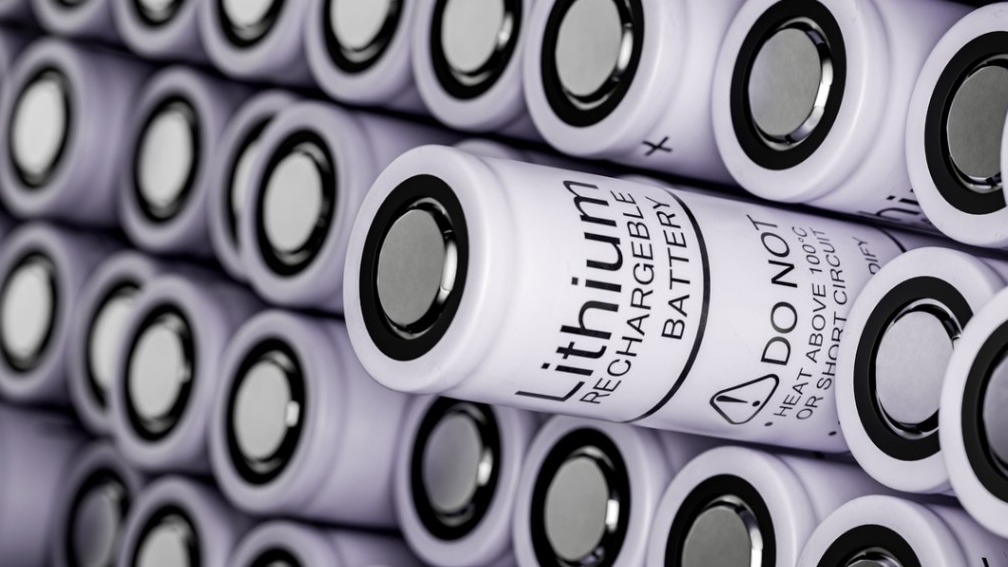
lithium battery shipping
Definition
Lithium battery shipping is the regulated transport of lithium-ion and lithium metal cells and batteries by road, rail, air, or sea. It covers specific packaging, labeling, documentation, and handling requirements to reduce risks of short circuit, thermal runaway, and fire, and must comply with international and national regulations such as IATA, IMDG, and ADR.
Overview
What this rule is
The January 1, 2026 mandate requiring a maximum 30% State of Charge (SoC) for many lithium-ion batteries carried by air makes a previously widespread recommendation into a legal requirement for certain shipments. The objective is to reduce the energy available to cause or propagate a thermal runaway event during flight.
Scope — which batteries are affected
The mandate applies to standalone lithium-ion batteries (UN 3480) and batteries packed with equipment (UN 3481, PI 966) when the individual cells exceed 2.7 Wh. Typical consumer phone cells are usually below this threshold, but larger cells used in power tools, e-bikes, and some industrial packs commonly exceed it. Small button cells and many batteries already installed in equipment shipped under PI 967 generally remain under recommendation status rather than a hard mandate, but shippers should always verify national and carrier rules.
Why it matters
Lithium-ion batteries store high energy in compact cells. If a cell fails and initiates thermal runaway, the heat and gases produced can ignite neighboring cells. Lowering the SoC reduces the amount of stored energy and the likelihood of propagation, improving safety during the most risk-critical stage: air transport. Regulators and airlines adopted the 30% threshold to create a measurable, enforceable limit.
Key compliance steps for shippers
- Prepare an SoC Declaration: The shipper must provide a declaration on the battery’s State of Charge at the time of shipment. This declaration is now a required shipping document for affected battery types.
- Verify cell energy: Confirm whether the cells in your battery exceed 2.7 Wh. Calculation: cell energy (Wh) = cell voltage (V) × cell capacity (Ah). Where documentation is unclear, obtain manufacturer specifications or test results.
- Limit SoC to 30% or less: If the cells exceed 2.7 Wh and the shipment is by air, set or discharge the battery to a maximum of 30% SoC prior to tendering to the carrier.
- Obtain State of Origin approval if needed: Shipping batteries above 30% now requires a formal State of Origin approval — a license or permit from the relevant civil aviation authority. This is a complex process involving technical documentation and often coordination with the country of departure’s regulator.
- Work with experienced partners: Many shippers delegate permit management and carrier coordination to specialized 3PLs or dangerous-goods service providers who regularly navigate State of Origin approvals and airline acceptance.
- Follow packaging, marking and labeling regulations: Use approved packaging, include the required lithium battery handling labels and UN numbers (UN 3480, UN 3481), and include Emergency Response Information per the applicable air regulations (IATA/ICAO).
- Train personnel: Ensure staff handling, packing, and documenting lithium batteries are trained to the level required by the applicable dangerous goods regulations.
Practical implementation tips (beginner friendly)
- Start by classifying the battery: Is it a cell, battery, or battery packed/contained in equipment? Check the UN number and the applicable Packing Instruction (PI 966 for packed with equipment; PI 967 for installed in equipment is often treated differently).
- Confirm cell Wh: Ask your supplier for cell voltage and capacity. Multiply to get Wh and compare to 2.7 Wh.
- If SoC needs reducing: Use manufacturer guidance to safely discharge batteries to 30% or less. Never attempt unsafe field disassembly to achieve this.
- Keep a simple checklist with each shipment: classification, Wh calculation, SoC Declaration, packaging verification, carrier acceptance and emergency contact info.
Common mistakes and pitfalls
- Assuming device-installed batteries are exempt: Some installed batteries (PI 967) are treated differently, but exceptions vary—always confirm whether the shipment is advisory or mandatory for your specific case.
- Failing to get a signed SoC Declaration: Without it, carriers may refuse the shipment or regulators may impose penalties.
- Miscalculating Wh: Using pack-level Wh instead of cell-level Wh for the 2.7 Wh test can produce incorrect classification.
- Relying on carrier verbal acceptance: Always obtain documented carrier confirmation, especially if using State of Origin approvals or special permits.
- Last-minute permit requests: State of Origin approvals can take weeks; plan early or engage a specialist 3PL.
Real examples
- Example 1 — Consumer electronics distributor: A phone importer verified that the phone cells were below 2.7 Wh and therefore continued shipping under standard PI 967 guidance. The company still implemented SoC measurements and SoC Declarations where carriers requested them as best practice.
- Example 2 — E-bike manufacturer: Cells in mid-range e-bike batteries were 10 Wh per cell. The company implemented pre-shipment discharge to 30% SoC and added written SoC Declarations to each air waybill. For shipments that needed >30% SoC (prototype testing), they worked with a specialized 3PL to obtain State of Origin approval.
- Example 3 — Medical device OEM: Batteries packed with equipment exceeded the 2.7 Wh threshold. The OEM standardized packing procedures, trained staff, and adopted a logistics partner to manage all air shipments, dramatically reducing shipment rejections and regulatory inquiries.
Operational and commercial impact
Shippers should expect additional documentation steps, some operational time to reduce SoC when needed, and potential costs for permit management or specialized 3PL services when higher SoC shipment is necessary. However, the rule reduces in‑transit fire risk and aligns shippers with airline and regulator safety priorities, decreasing the likelihood of costly delays or incident investigations.
Where to find authoritative guidance
Always consult the latest editions of ICAO Technical Instructions and the IATA Dangerous Goods Regulations, as well as your national civil aviation authority and the chosen airline’s dangerous goods acceptance policies. When in doubt, engage a qualified dangerous goods consultant or 3PL.
Bottom line (beginner summary)
From January 1, 2026, most air shipments of lithium-ion batteries with cells over 2.7 Wh must be shipped at 30% SoC or lower and accompanied by an SoC Declaration. Shipping above 30% requires formal State of Origin approval—a specialized, often lengthy permit process. Verify cell Wh, document SoC, follow packaging and labeling rules, and use trained personnel or experienced logistics partners to remain compliant and keep air transport safe.
More from this term
Looking for a 3PL?
Compare warehouses on Racklify and find the right logistics partner for your business.