
Marine Liquid Freight: Parcel Tankers vs. Product Carriers
Liquid Shipping
Definition
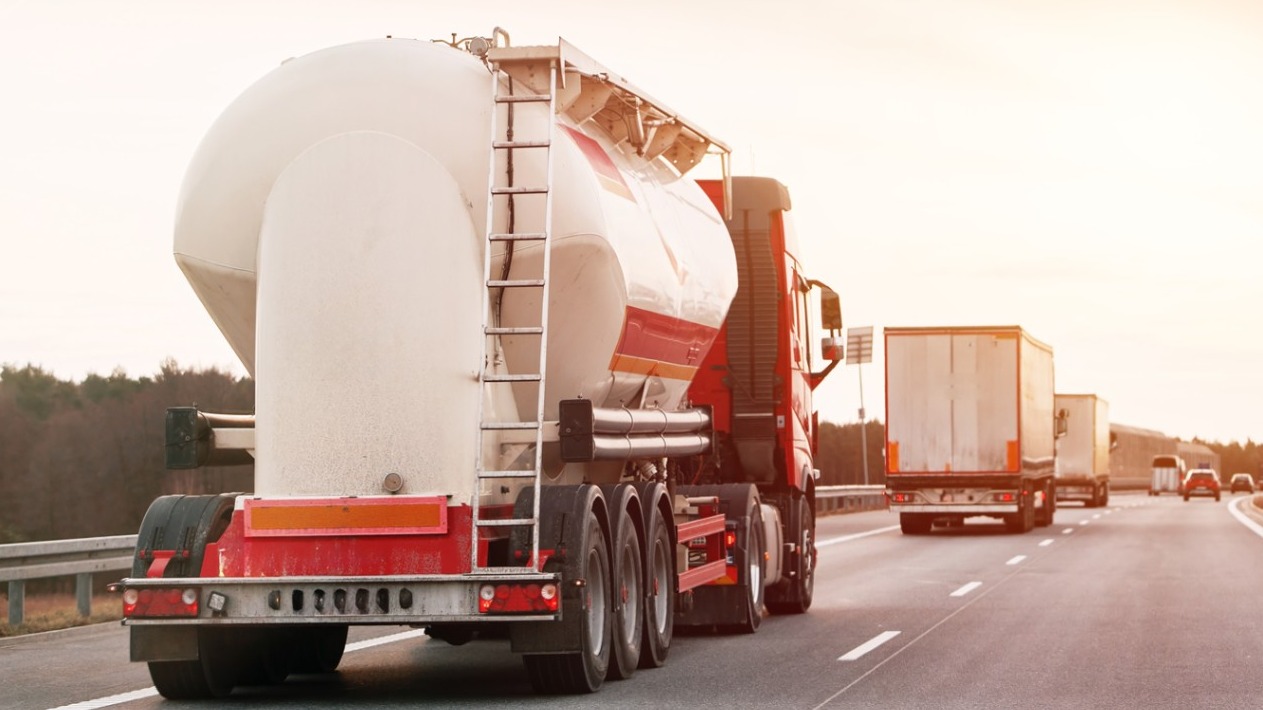
Liquid shipping is the movement of liquid cargo, such as chemicals, fuels, edible oils, and beverages, using specialized equipment like tankers, ISO tank containers, and tank trucks. It includes loading, containment, temperature control, compatibility checks, and regulatory safety measures to prevent spills, contamination, and product degradation during transport.
Overview
Marine liquid freight comprises a spectrum of vessels designed to carry bulk liquids safely and efficiently across oceans and coastal trades. Two commonly compared vessel types in this space are parcel tankers and product carriers. While both move refined or processed liquid cargoes rather than crude oil, they differ markedly in internal arrangement, operational complexity, cargo flexibility and commercial use-cases.
At a glance, the global fleet split assigns mass transport of crude oil to very large crude carriers, while ocean-going refined and specialty liquid traffic is handled by specialized vessels. Within refined and specialty liquid shipping, parcel tankers occupy the highly flexible, multi-cargo end of the spectrum and product carriers occupy the larger-batch, simpler end.
Parcel tankers are engineered for maximum cargo segregation and flexibility. Typical characteristics include dozens of independent cargo tanks, each of which may be lined with protective coatings such as epoxy or zinc silicate or constructed entirely of stainless steel. Every tank commonly has its own dedicated pump, manifold and isolated piping to avoid any cross-contamination between different cargoes. This arrangement allows a single vessel to carry many different liquid chemicals, edible oils or specialty products—sometimes up to 50 distinct parcels—on the same voyage. Parcel tankers are therefore the vessels of choice when a charterer needs to deliver multiple grades or customer consignments during one voyage or on tramp calls between several ports.
These ships are optimized around cargo compatibility and cargo-handling complexity. They feature extensive cargo heating coils for viscous oils, independent cargo monitoring systems, tank coatings selected to match chemical compatibility, and robust cargo cleaning systems. Because of their complexity they require more intensive operational planning, detailed paperwork for each parcel, and higher maintenance and inspection regimes. Parcel tankers are frequently used in trades carrying vegetable oils, specialty chemicals, fatty acids, alcohols and a wide range of industrial liquids where product segregation and avoidance of contamination are critical.
Product carriers are tailored to carry larger, single-commodity batches of refined petroleum products such as gasoline, diesel, kerosene/jet fuel and fuel oil. Compared with parcel tankers, product carriers usually have fewer, larger cargo tanks and a simpler internal piping layout with less segregation between tanks. Their design reflects the need to move high volumes of a limited number of product grades efficiently and at lower unit cost. Product carriers dominate liner trades where a single grade is loaded for discharge at one or two ports, and in refinery-to-hub or refinery-to-port services.
Product carriers still incorporate industry-standard safety features for petroleum cargoes: inert gas systems to control flammable atmospheres, vapor recovery where required, redundant pumping arrangements for reliability, and designs that facilitate efficient loading and discharge at large terminals. Their tank coatings and materials are chosen for the compatibility and volatility of petroleum products rather than the wide chemical compatibility range demanded by parcel tankers.
Operational differences and implications
- Voyage planning and scheduling: Parcel tankers require more complex loading sequences and discharge plans because each port call may involve different parcels and manifold connections. Product carriers typically follow simpler schedules with single or dual-port voyages.
- Cleaning and turnaround: Switching cargo types on a parcel tanker requires careful tank cleaning, potential purging and certification to prevent cross-contamination; the turnaround time per port call can be significant. Product carriers running the same product type or compatible grades can turn faster.
- Regulatory and documentation burden: Parcel voyages generate many cargo declarations, MSDS references, compatibility checks and special handling instructions. Product carrier voyages are administratively lighter but still subject to SOLAS, MARPOL and local terminal requirements.
- Safety and contamination risk: Parcel tankers minimize contamination risk through isolated systems; product carriers accept a higher degree of common piping where cargo compatibility is generally better defined.
Commercial use-cases — real examples
- A parcel tanker might load several food-grade vegetable oil consignments at different terminals, transport multiple chemical grades to three ports in Southeast Asia and return for the next set of parcels—offering flexibility to producers and traders with diverse customer bases.
- A product carrier could load a full cargo of diesel at a refinery and sail to a single distant port or hub to discharge the entire cargo to a shore terminal, providing cost-efficient, high-volume transport between major supply and demand centers.
Best practices for operators and charterers
- Match vessel type to cargo profile: avoid using a product carrier when multiple segregated grades are needed, and avoid parcel tankers for simple, high-volume trunk runs unless flexibility is required.
- Conduct thorough compatibility and coating checks before loading. Use manufacturer guidance and chemical compatibility tables for coatings and seal materials.
- Ensure documentation and declaration accuracy: parcel cargoes require clear MSDS, filling ratios, temperature control and cleaning certificates.
- Plan tank cleaning and inerting sequences in advance to reduce port time and risk of contamination.
Common mistakes
- Insufficient segregation checks when switching cargoes on parcel tankers, leading to contamination claims and costly cleaning or cargo rejection.
- Underestimating heating or viscosity requirements for certain edible oils or heavy chemicals, causing loading/discharge delays.
- Using the wrong vessel type for the commercial task—e.g., booking a parcel tanker for a single large cargo that would be cheaper on a product carrier.
In summary, parcel tankers and product carriers serve different niches within marine liquid freight. Parcel tankers prioritize segregation, flexibility and the ability to carry many distinct cargoes safely at the cost of operational complexity. Product carriers prioritize larger-volume, simpler cargo moves with efficiency and lower unit cost. Knowledge of cargo requirements, port infrastructure and trade patterns is essential when choosing between the two to ensure safety, regulatory compliance and commercial efficiency.
Sources And Additional Reading (3)
- Supply Chain Topics
“Supply Chain Topics.” Supply Chain Dive, https://www.supplychaindive.com/.
- Third-Party Logistics
“Third-Party Logistics.” Shopify, https://www.shopify.com/enterprise/blog/third-party-logistics-3pl.
- Ecommerce Logistics
“Ecommerce Logistics.” DHL, https://www.dhl.com/global-en/home/our-divisions/supply-chain/solutions/e-commerce.html.
More from this term
Looking for a 3PL?
Compare warehouses on Racklify and find the right logistics partner for your business.