
Mastering Polybagging Requirements for Safe and Compliant Shipping
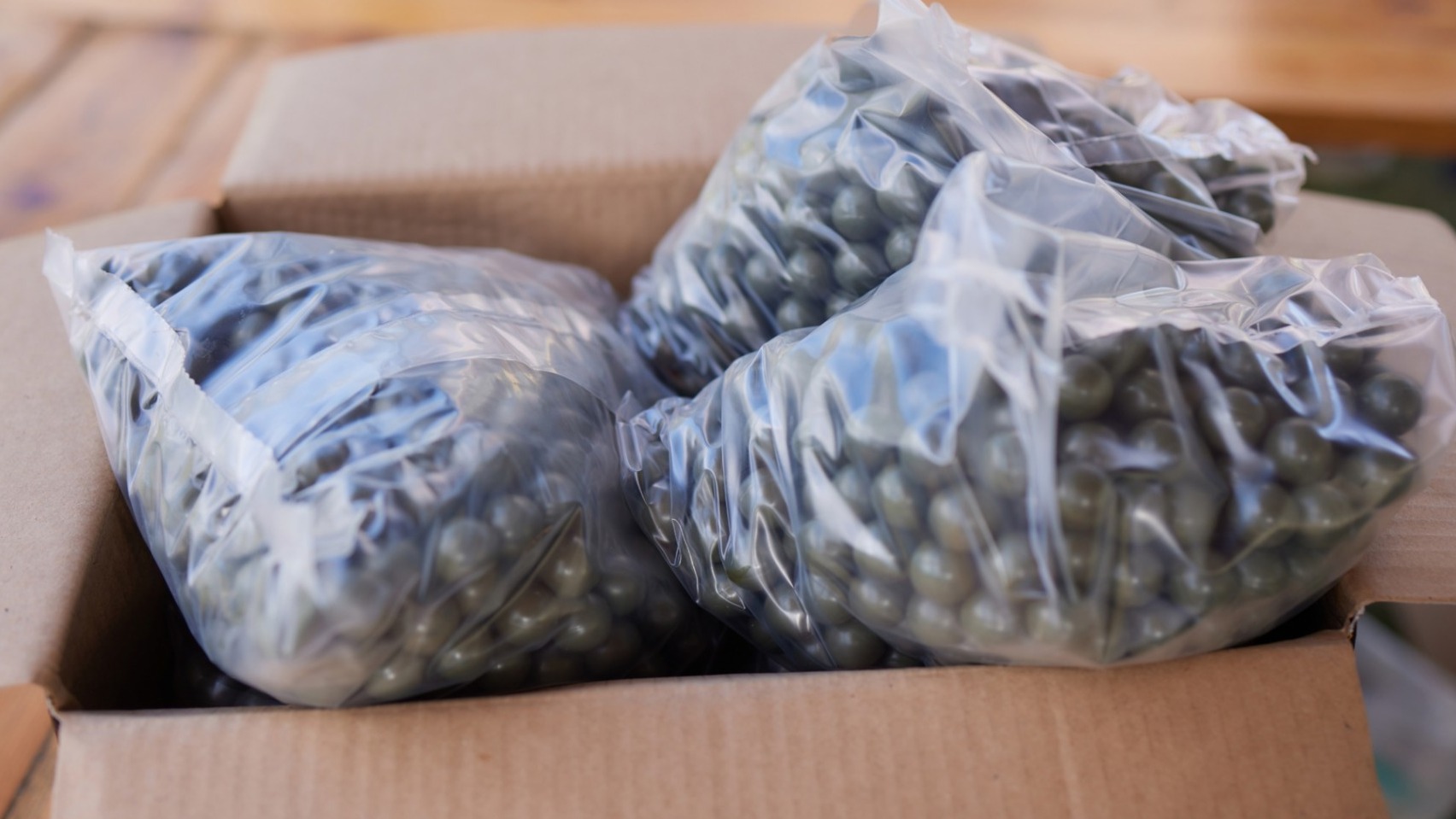
Polybagging Requirements
Definition
Polybagging Requirements (FBA) are Amazon's packaging rules that require certain single items or multi-piece products to be sealed in clear plastic polybags before being sent to Fulfillment by Amazon centers. The rules specify bag material and thickness, closure method, barcode visibility, and suffocation warnings to protect items, prevent contamination, and ensure accurate scanning and handling.
Overview
What polybagging requirements are
Polybagging requirements define the specifications and practices for packaging items inside plastic bags (polybags) prior to storage or shipment. They include what type of bag to use, thickness and size guidelines, closure methods, labeling and warnings, environmental choices, and special handling for sensitive goods. These rules exist to protect products from damage and contamination, to meet carrier and marketplace policies, and to satisfy legal and safety standards.
Why correct polybagging matters
Correct polybagging reduces damage, prevents contamination, improves customer experience, and avoids rejected shipments or marketplace penalties. Good polybagging also streamlines warehouse processes, reduces returns, and supports sustainability goals by using the right material and minimizing waste.
Common polybag types and materials
- Clear LDPE (low-density polyethylene): Widely used for apparel and soft goods; flexible, durable, and recyclable in many programs.
- HDPE (high-density polyethylene): Thinner, stiffer bags used for some retail applications and mailing envelopes.
- Anti-static (ESD) bags: Pink or metallized bags for electronics to prevent electrostatic discharge.
- Compostable/biodegradable films: Alternative for brands seeking sustainable options; check certifications and compatibility with carrier and marketplace requirements.
Typical sizing and thickness guidelines
Choose bag size to fit the folded product snugly with minimal excess air. Thickness is usually measured in mils (1 mil = 0.001 inch). Typical ranges:
- Light garments: 1.25–2.0 mil
- General apparel and small soft goods: 1.5–3.0 mil
- Heavier or edged items (to avoid punctures): 3–6+ mil, possibly with additional reinforcement
Closures and sealing methods
Choose closure that is tamper-evident, secure, and appropriate for returns handling: self-seal adhesive strips (peel-and-seal), heat seals, zip-lock/slider closures, or tape closures. For fulfillment operations, peel-and-seal strips speed packing; heat seals provide permanent security; resealable zips are customer-friendly for returns.
Labeling, barcodes, and warnings
- Barcode visibility: Place barcode or ASN label so it’s flat and unobstructed on the outside of the bag. Avoid placing labels over seams or folds.
- Suffocation warnings: Many jurisdictions and marketplaces require a visible suffocation warning on plastic bags (for example, warnings to keep bags away from children). Always confirm local regulatory wording and marketplace rules and include the warning on bags above the size threshold.
- Carrier/marketplace compliance: Follow carrier size/weight labeling rules and marketplace (Amazon, Walmart, etc.) polybag policies—these often specify bag clarity, barcode placement, and required warnings.
- Packing lists and customs documents: Use an external pouch or clearly marked area on the bag for packing lists or customs paperwork so documents remain visible and accessible.
Special handling and product categories
- Electronics: Use ESD-safe anti-static bags and include moisture control (desiccants) when needed. Avoid adhesive labels that can damage sensitive surfaces.
- Apparel: Fold garments consistently to prevent wrinkles, include size stickers inside the bag if required by fulfillment center, and avoid overfilling to reduce creasing.
- Footwear and bulky items: Use larger, thicker bags or dual-bagging; consider vent holes to prevent odor buildup if storing long-term.
- Sharp or heavy items: Use reinforced bags or add protective layers (cardboard, bubble) to prevent punctures and tears.
Environmental and sustainability considerations
Choose films with recycled content or recyclable LDPE (#4) where local recycling supports it. Compostable films must be certified and accepted by intended markets; they are not universally recyclable. Communicate proper disposal on packaging to help customers recycle correctly.
Quality control and testing
Implement regular QC checks: verify bag thickness, seal strength, label adhesion, and correct warning placement. Perform sample drop tests and seal-strength tests especially for high-volume SKUs or new suppliers. Use packing audits to ensure compliance with marketplace and carrier rules.
Practical polybagging checklist (step-by-step)
- Verify the correct bag type, size, and thickness for the SKU.
- Fold or prepare the item consistently to the packing standard.
- Place item into bag, ensuring no sharp edges press against the film.
- Include desiccants or protective inserts if required.
- Close using the approved method (peel-and-seal, heat seal, zip, or tape).
- Apply barcode/shipping label flat and visible, and place suffocation warning if required.
- Conduct a quick seal check and visual inspection for dirt, debris, or damage.
- Place bagged item into outer packaging (box or mailer) per carrier rules.
Common mistakes to avoid
- Using bags that are too large or too thin, leading to shifting, excess air, or tears.
- Obscuring barcodes with tape, folds, or labels that warp scans.
- Failing to include required suffocation warnings or marketplace-specific labels.
- Neglecting ESD protection for electronics or moisture control for sensitive goods.
- Overstuffing bags or shipping sharp items without reinforcement.
Example scenarios
- Apparel fulfillment: 1.5–2.0 mil clear LDPE, peel-and-seal closure, size sticker on garment interior, external barcode label flat on bag, suffocation warning printed on bag.
- Small electronics accessory: Anti-static pouch, 3–4 mil if part is rigid, desiccant included, sealed or heat-sealed, external SKU label and internal packing list.
- Shoes: Larger 3–5 mil bag, possible double bagging, insert to keep shape (shoe tree or cardboard), clear external label.
Final recommendations
Establish a written polybagging standard for each product category in your operation that covers bag type, thickness, closure, labeling, warnings, and QC checks. Train packers, audit regularly, and stay current with carrier and marketplace policy changes as well as local regulations (including safety warnings). When in doubt, err on the side of protection: slightly thicker film, secure closures, and clear labeling reduce damage, returns, and compliance risk.
Where to check for specific rules
Always confirm: carrier packaging guides, marketplace seller policies (Amazon, Shopify, Walmart), and local regulatory requirements for consumer safety (including suffocation warning rules). These sources provide the authoritative specifics to complement your internal polybagging standards.
More from this term
Looking for a 3PL?
Compare warehouses on Racklify and find the right logistics partner for your business.