
Measuring Success and Avoiding Common Mistakes in Buy Online, Ship to Store (BOSS) Programs
Buy Online, Ship to Store (BOSS)
Definition
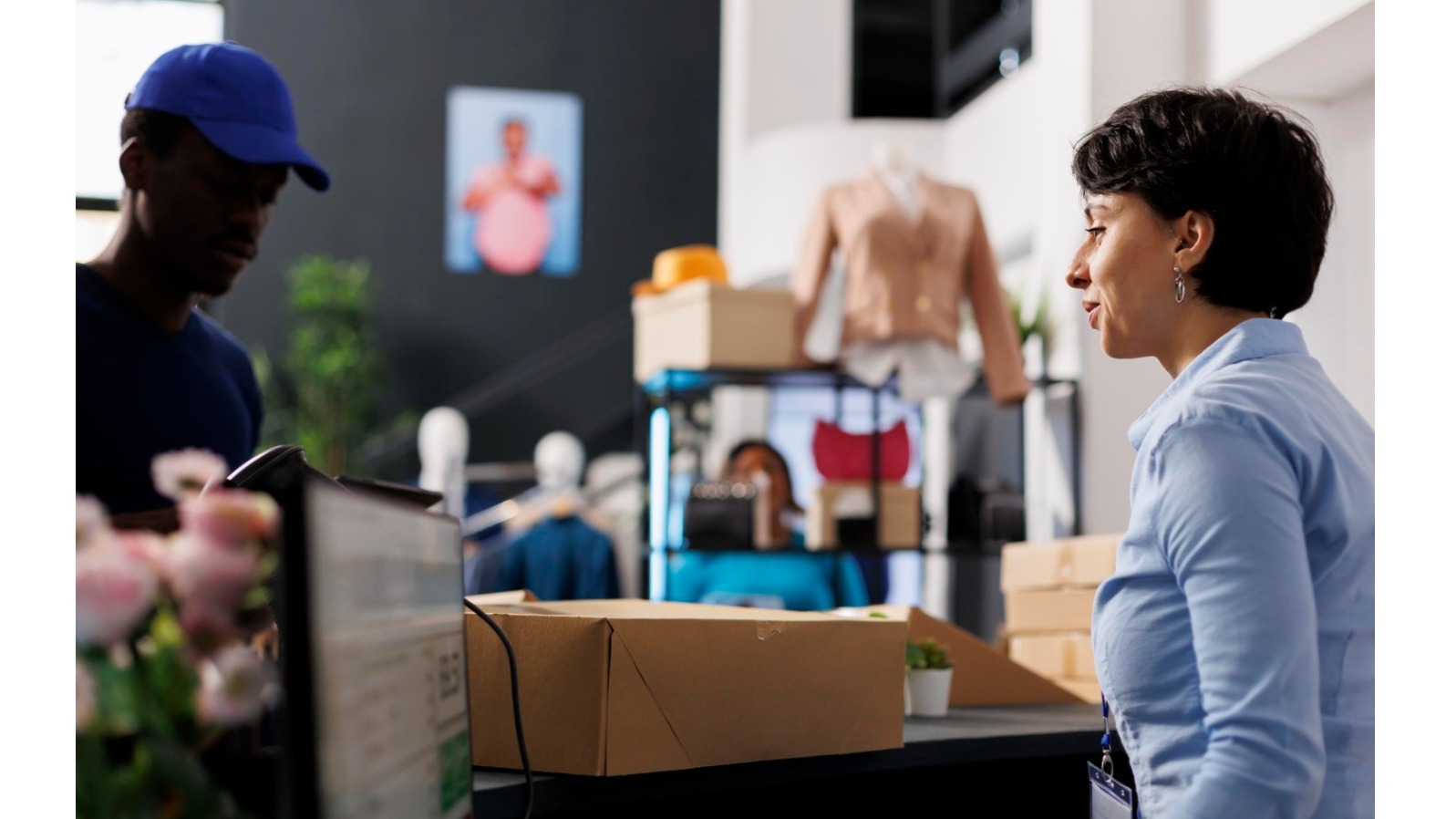
Buy Online, Ship to Store (BOSS) is a retail fulfillment model where customers order products online and the retailer ships those items to a nearby physical store for customer pickup or return. This omnichannel approach reduces home-delivery costs, shortens wait times, and leverages store inventory to improve convenience and fulfillment efficiency.
Overview
Measuring Success and Avoiding Common Mistakes in Buy Online, Ship to Store (BOSS) Programs
Buy Online, Ship to Store (BOSS) offers retailers operational and customer-experience advantages, but success depends on measuring the right metrics and avoiding common implementation errors. This guide outlines key performance indicators, cost drivers, frequent pitfalls and practical mitigations.
Essential KPIs to track
- Order fulfillment lead time: Total time from online order placement to when a parcel is marked ready for pickup at the store. Shorter lead times improve customer satisfaction.
- Store receipt accuracy: Percent of shipments received without discrepancy. High accuracy reduces customer disappointment and rework.
- Pickup rate and abandonment: Percentage of BOSS orders actually collected by customers and the rate of abandoned orders returned to inventory or disposed per policy.
- Cost per order: Includes DC pick/pack labor, shipping to store, store handling time and communications. Tracking this helps compare BOSS to alternatives like direct-to-home or BOPIS.
- Customer satisfaction metrics: NPS or CSAT focused on pickup experience, wait times and staff assistance quality.
- Return and exchange metrics: Rate and cost of returns originating from BOSS orders versus other channels.
Primary cost drivers
- Transportation: Carrier rates, parcel vs freight, and routing efficiency determine a significant portion of BOSS costs. Consolidated shipments to stores can reduce per-item transport cost.
- Handling labor: DC picking and store receiving labor are recurring costs. Automation and efficient staging can reduce time per order.
- Packaging: Pack materials and special labels (store-specific instructions, return labels) add expense.
- Inventory carrying: Stock positioned for BOSS flows may increase inventory levels, impacting working capital.
Common mistakes and how to avoid them
- Poor inventory visibility: Mistake: Relying on batch updates or manual counts leads to oversells and customer complaints. Mitigation: Implement real-time or near-real-time inventory sync between OMS, WMS and POS, and perform regular cycle counts.
- Undefined store workflows: Mistake: Stores lack clear processes for receiving, staging and notifying customers, causing delays. Mitigation: Document SOPs (standard operating procedures), designate pickup areas, and train staff with role-based task lists.
- Neglecting store capacity: Mistake: Sending too many shipments to small stores during peaks. Mitigation: Apply store quotas, dynamic routing, and temporary overflow hubs for peak demand.
- Weak customer communications: Mistake: Customers are uninformed about pickup readiness or ID requirements. Mitigation: Use automated multi-channel messaging (email, SMS, app), include pickup codes and clear time windows.
- Inadequate fraud prevention: Mistake: Lax verification at pickup results in fraud or lost goods. Mitigation: Require government ID, order confirmation codes, and maintain secure staging areas.
- No SLA for pickup readiness: Mistake: Vague pickup SLAs create inconsistent experiences. Mitigation: Define precise SLAs (e.g., 24–48 hours), publish them to customers and monitor compliance.
Operational risk mitigation
Perform a phased rollout starting with a subset of stores and SKUs to learn and adapt. Use pilot data to refine routing logic, packaging specifications and staffing. Build exception workflows and automated notifications for delayed shipments and no-show pickups so store staff can take corrective actions quickly.
Data-driven optimization
- Analyze heatmaps: Map where BOSS orders originate versus pickup locations to identify routing efficiencies or the need for additional pickup nodes.
- SKU suitability: Identify which SKUs are cost-effective for BOSS — lightweight, small-value items may be cheaper to parcel-ship home, whereas bulky items benefit from store pickup.
- Dynamic rules: Use season-aware rules that shift fulfillment preferences during peak windows to balance service and cost.
Sustainability and customer experience
BOSS can improve sustainability by consolidating shipments to stores and reducing failed-home-delivery attempts. Encourage customers to pick up multiple items in a single visit and optimize store pickup hours to align with customer behavior. Thoughtful packaging choices—minimal, recyclable materials and clear return labels—support environmental goals and lower waste.
Measurement example
A multi-channel retailer tracked BOSS cost per order, which was initially 30% higher than BOPIS due to extra handling and shipping. By refining routing, batching store shipments and optimizing packaging, the retailer reduced BOSS cost by 18% and improved pickup lead times by 22%, while maintaining high customer satisfaction metrics.
Conclusion
Buy Online, Ship to Store (BOSS) can be a powerful tool in an omnichannel strategy when measured and managed properly. Focus on precise inventory visibility, disciplined store operations, clear customer communications and continuous KPI monitoring to avoid common mistakes. With iterative improvements, BOSS delivers both cost efficiencies and elevated customer experiences.
More from this term
Looking for a 3PL?
Compare warehouses on Racklify and find the right logistics partner for your business.