
Museum-Grade Crating
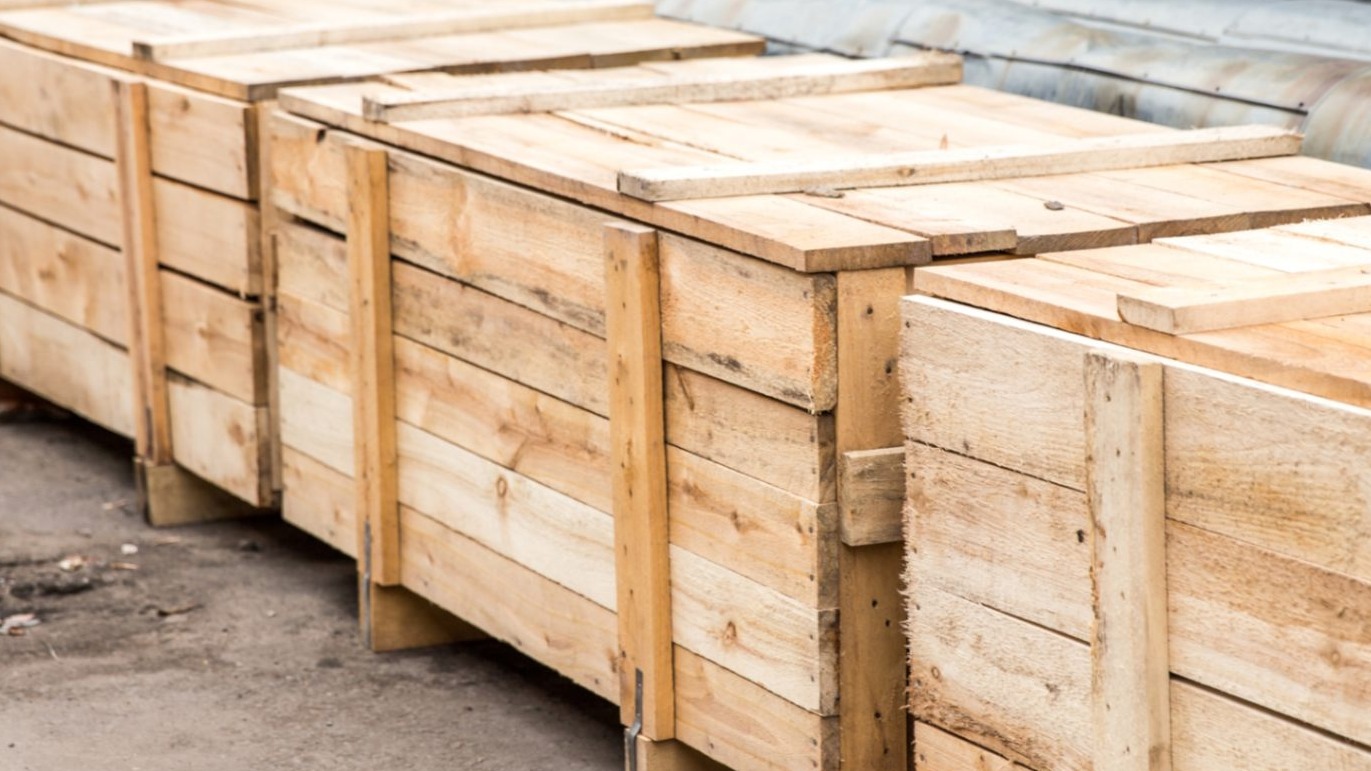
Crating Services
Definition
Crating services design and build custom wooden or engineered enclosures to protect items during storage, handling, and transportation. They include packaging engineering, cushioning, securing hardware, and labeling to prevent damage and meet shipping or export requirements.
Overview
Overview
Museum-grade crating is a specialized branch of crating services intended to protect high-value cultural property, fine art, antiques, and historic artifacts during storage, handling, and transportation. The design philosophy prioritizes conservation standards, environmental control, and the minimization of mechanical and chemical risks. Typical museum-grade crates employ dual-wall or multi-layer constructions, archival-safe internal linings such as Marvelseal or acid-free paper, and integrated monitoring devices like tilt and impact indicators. These crates are designed not just to survive transit loads but to preserve the long-term integrity of fragile and irreplaceable objects.
Why it matters
Museum-grade crating is essential because art and antiques can be uniquely sensitive to vibration, shock, humidity, temperature fluctuations, particulate contamination, and chemical off-gassing. Damage can be irreversible or diminish cultural and monetary value. Institutions, private collectors, and museums require crating solutions that meet curatorial standards, enable safe handling, and comply with lending and insurance terms.
Key components and materials
- Dual-wall or multi-layer construction: Typically an inner shell of smooth, stable wood, composite panel, or plywood backed by an outer structural shell. The cavity between layers can accommodate insulation, desiccants, or dampening materials.
- Archival-safe linings: Materials such as Marvelseal, acid-free paper, unbuffered foam, and Mylar barriers prevent chemical interactions and off-gassing that can harm sensitive surfaces and finishes.
- Internal support and foam cradles: Custom-cut, high-density but archival-safe foams provide vibration isolation and precise support to limit movement. Closed-cell foams that do not outgas are often chosen.
- Environmental controls: Silica gel packets, humidity indicators, and microclimate buffering systems can be incorporated to maintain stable relative humidity (RH) and reduce risk of condensation.
- Monitoring and indicators: Tilt indicators, impact indicators, and data loggers for temperature, humidity, and shock are used to document handling conditions during transit.
- Seals and fastenings: Tamper-evident seals, stainless steel or brass fasteners, and gasketed closures preserve the internal environment and improve security.
Design considerations and process
The design process for a museum-grade crate typically begins with a condition assessment and measurements performed by a conservator or qualified crating technician. The crate is sized to allow a small buffer around the object for suspension or cushioning. Support points are engineered to avoid stress concentrations. For paintings, the crate design may include strapping with corner protection and a framed support to maintain stretcher bar geometry. For sculpture, internal saddles and custom saddlebags isolate delicate projections and balance points.
Environmental control strategy is determined by assessing the object's sensitivity to RH, temperature, and light. For highly sensitive objects, a sealed microclimate with desiccant and humidity buffering materials may be used. For borrower or exhibition shipments, lenders often specify humidity and shock thresholds and require data logger records.
Standards, testing, and documentation
Museum-grade crating frequently references conservation standards and transport guidelines from museum associations and insurers. Many lenders and carriers require pre-shipment condition reports, photographs, and documentation of crate construction. Shock and tilt indicators provide visual evidence of mishandling. For high-value shipments, calibrated data loggers are recommended and sometimes mandated. Crates may be labeled with handling instructions, orientation arrows, and custom marking that reflect curatorial requirements.
Examples and applications
Typical applications include fine art paintings and framed works, fragile antique furniture, ethnographic objects, archaeological finds, rare books and manuscripts, and historic textiles. For example, a museum shipping a seventeenth-century oil painting might use a dual-wall crate with Marvelseal lining, foam-edge supports at the stretcher, silica gel pouches to keep RH stable, and a calibrated temperature/RH data logger to accompany the crate. An auction house shipping a carved marble statue would employ a foam cradle and internal saddling system on a reinforced base, plus an impact indicator to document any drops.
Best practices
- Include a conservator in planning for highly sensitive and historically significant items.
- Use archival-safe materials and avoid packaging that can off-gas or attract pests.
- Specify monitoring (tilt, impact, data loggers) based on lender and insurer requirements.
- Document condition before crating with photos and a written report.
- Label crates clearly with handling instructions and emergency contact information.
Common mistakes
Common errors include using non-archival foams that off-gas, underestimating the need for suspension or isolation leading to stress damage, inadequate environmental buffering, and insufficient documentation. Relying solely on standard commercial crating without consulting conservation specialists can cause avoidable damage.
Cost and lead time
Museum-grade crating is more costly than standard crating because it requires skilled design, higher-spec materials, and often custom fabrication. Lead times can range from days to weeks depending on complexity, the need for conservator input, and procurement of archival materials. For loaned exhibitions, schedule crate design and fabrication well ahead of shipment windows.
Summary
Museum-grade crating is a specialist service within crating services focused on conservation, environmental control, and documented handling. By combining archival materials, custom internal supports, and monitoring devices, these crates reduce the risk of irreversible damage to priceless cultural property during handling and transport.
Sources And Additional Reading (3)
- Third-Party Logistics
“Third-Party Logistics.” Shopify, https://www.shopify.com/enterprise/blog/third-party-logistics-3pl.
- Shipping Solutions
“Shipping Solutions.” UPS, https://www.ups.com/us/en/supplychain/solutions/small-business.page.
- 3PL Integration
“3PL Integration.” Celigo, https://www.celigo.com/blog/3pl-integration/.
More from this term
Looking for a 3PL?
Compare warehouses on Racklify and find the right logistics partner for your business.