
Navigating Change: ORM-D Replacement in Today’s Logistics Industry
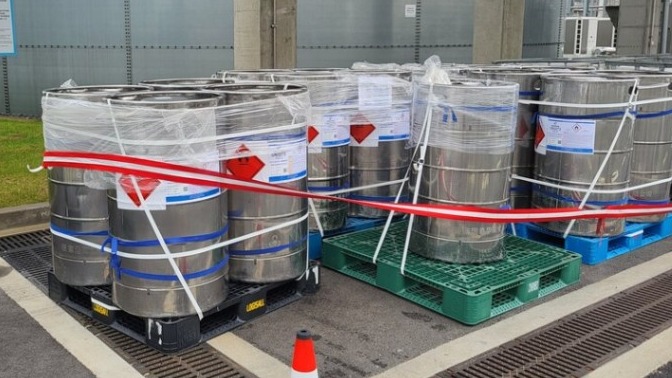
ORM-D replacement
Definition
The set of markings, packaging, and regulatory procedures that took the place of the former "ORM-D" designation for limited-quantity hazardous consumer goods. Under current DOT, ICAO, and IATA rules, shippers use "Limited Quantity" marks, consumer-commodity exceptions (such as ID8000/UN 8000 where applicable), or full UN-specification packaging and labels to meet transport requirements.
Overview
The ORM-D designation was a U.S.-specific marking used for certain low-risk hazardous materials — mainly common consumer goods in limited quantities — to simplify domestic ground shipping. Over recent years regulators and industry moved to eliminate ORM-D in favor of harmonized international and domestic provisions commonly described as limited quantity and consumer commodity exceptions. For beginners, the ORM-D replacement means learning new
classification rules, updating packaging and markings, and changing documentation and carrier practices so shipments remain compliant and safe.
Why the change happened
The shift away from ORM-D was driven by the need to harmonize U.S. rules with international dangerous-goods regulations, reduce confusion created by a U.S.-only marking, and improve safety and consistency across modes of transport. Harmonized rules make it easier for multi-modal and cross-border shipments to be assessed using the same concepts (quantity limits, packaging standards, and recognized markings) rather than a separate domestic-only label.
What replaces ORM-D in practice
- Limited Quantity provisions: These are the most common replacement for ORM-D-classified items. Limited quantity rules allow small amounts of certain dangerous goods to be shipped with reduced marking, packaging and documentation requirements, provided limits and packaging standards are met.
- Consumer commodity/Exception for passenger and cargo aircraft: For air transport, many former ORM-D goods fall under a consumer-commodity exception with specific packaging, marking, and carrier requirements different from road or sea.
- Mode-specific variations: Although the limited quantity concept is consistent, the exact limits, markings, and documentation vary by mode (road, air, sea) and by regulation (national and international).
Key practical implications for shippers and logistics teams
- Classification first: Review Safety Data Sheets (SDS) and regulations to determine the proper hazard class and whether the commodity qualifies for limited-quantity or consumer-commodity provisions. Never assume previous ORM-D status automatically applies under current rules.
- Check quantity limits: Limited-quantity allowances depend on net quantity per inner packaging and per outer packaging. Exceeding these limits removes the exception and requires full hazardous materials handling.
- Update packaging and testing: Some limited quantity exceptions still require specific packaging standards (e.g., leakproof inner containers, cushioning). Ensure packaging complies with the current rules and any carrier or fleet requirements.
- Apply current markings and labels: Replace any old ORM-D marks with the appropriate limited quantity or consumer-commodity marking required for the mode of transport. Marking placement and size can be regulated; follow the current specification.
- Document correctly: While limited quantity shipments may not need a full dangerous-goods transport document in some modes, paperwork requirements differ. Confirm whether a shipper’s declaration, special statement, or simplified documentation is required.
- Carrier acceptance and contracts: Not all carriers accept all limited-quantity goods, or they may impose additional restrictions. Obtain carrier confirmations and update bills of lading or service agreements as needed.
- Train staff: Update hazardous materials training programs and SOPs to reflect the new rules, marking and documentation practices. Training should be mode-specific and role-specific (packers, shippers, customer service).
- Update systems and labels: Adjust your warehouse management system (WMS), transport management system (TMS), label printers and packing checklists to enforce the new classifications, quantity limits, and marking formats.
Best practices for implementation
- Create a structured migration plan: Inventory items previously shipped as ORM-D, classify each against current limited quantity/consumer commodity rules, and create a prioritized remediation list based on shipping volumes and risk.
- Use checklists and templates: Standardize packaging, marking and documentation templates for allowed limited-quantity items. This reduces errors and simplifies training.
- Partner with carriers and brokers: Speak with transport partners early to confirm acceptance criteria, label preferences, and any additional paperwork they require.
- Audit and spot-check: Perform periodic audits of packing stations and shipping documentation to catch non-compliant shipments before they leave your facility.
- Keep clear customer communications: If customers ship returns or third-party items, provide clear guidance on how products must be packaged and labeled under the updated rules.
Common mistakes to avoid
- Assuming old markings are still valid: Continuing to use ORM-D labels or relying on legacy paperwork can lead to refusals, fines, or returned shipments.
- Misclassifying by volume: Failing to account for net quantity per inner pack or total packaging quantity can cause a shipper to mistakenly claim limited-quantity status.
- Neglecting mode differences: Treating air, sea and ground rules as identical often results in non-compliance. Air transport typically has stricter requirements than ground for the same item.
- Inadequate training and system updates: People and systems must be updated together. Training staff without updating labels/templates or vice versa leaves gaps.
Simple checklist for a small shipper
- List SKUs previously shipped with ORM-D marking.
- Review the SDS for each SKU and identify the hazard class and relevant exception (limited quantity or consumer commodity).
- Verify per-package quantity limits and pack to meet those limits.
- Apply the correct limited-quantity or consumer-commodity marking for the intended transport mode.
- Confirm carrier acceptance and prepare any required documentation.
- Train staff on the new labels and documentation steps and update WMS/TMS templates.
- Audit first shipments and correct any issues quickly.
Conclusion
The replacement of ORM-D has simplified and harmonized hazardous-goods handling in many respects but also requires active work from shippers to remain compliant. By classifying goods correctly, applying the appropriate limited-quantity or consumer-commodity provisions, updating packaging, labeling and systems, and training personnel, logistics teams can smoothly navigate the transition. The outcome is clearer, internationally consistent rules that support safer, more predictable movement of low-risk hazardous goods.
More from this term
Looking for a 3PL?
Compare warehouses on Racklify and find the right logistics partner for your business.