
New UN Classifications for E-Mobility (UN 3556/3557)
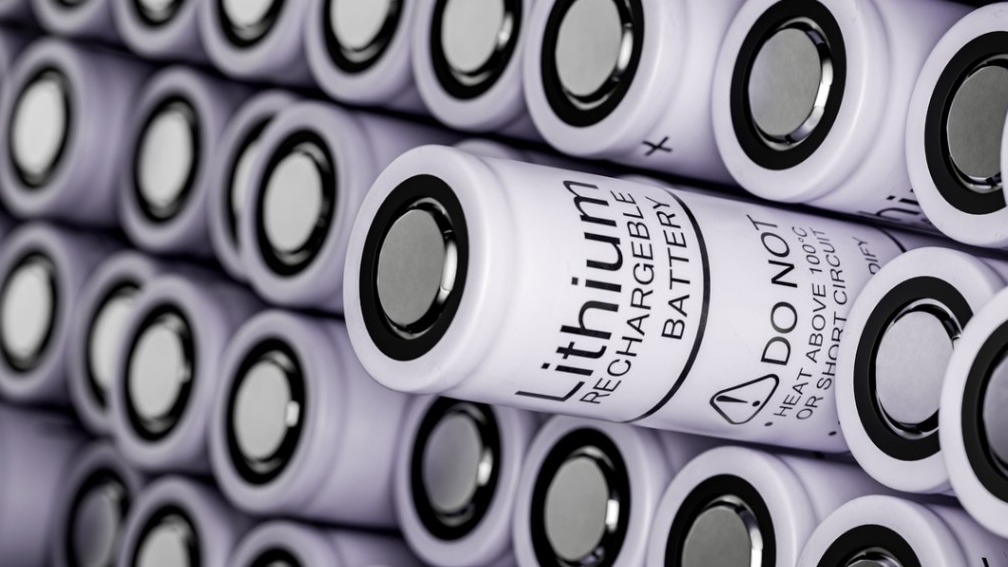
lithium battery shipping
Definition
Lithium battery shipping is the regulated transport of lithium-ion and lithium metal cells and batteries by road, rail, air, or sea. It covers specific packaging, labeling, documentation, and handling requirements to reduce risks of short circuit, thermal runaway, and fire, and must comply with international and national regulations such as IATA, IMDG, and ADR.
Overview
In the 2026 regulatory cycle the United Nations revised its hazardous goods nomenclature for battery-powered vehicles, replacing the broad category UN 3171 with two specific identifiers: UN 3556 for vehicles powered by lithium-ion batteries and UN 3557 for vehicles powered by lithium-metal batteries. The change reflects growing global adoption of battery-powered micro-mobility and electric vehicles and aims to give first responders, carriers, and storage operators clearer, more actionable information about the chemical and thermal hazards posed by different battery technologies.
Why the split matters: lithium-ion and lithium-metal chemistries behave differently during thermal runaway, combustion, and exposure to fire-suppression agents. By assigning separate UN numbers, regulatory texts, emergency response guides, and carrier instructions can be tailored to the battery chemistry, improving rescue and firefighting outcomes and reducing collateral damage during incidents.
What falls under each code:
- UN 3556 — Vehicles containing lithium-ion batteries. Typical examples include e-scooters, most e-bikes, electric motorcycles, and many electric cars and light electric vehicles (LEVs) that use rechargeable lithium-ion cells (e.g., lithium nickel manganese cobalt oxide (NMC), lithium iron phosphate (LFP), lithium cobalt oxide (LCO)).
- UN 3557 — Vehicles containing lithium-metal batteries. This category covers vehicles using primary (non-rechargeable) lithium-metal cells or batteries built with metallic lithium anodes where that chemistry is present in the vehicle packaging.
Operational implications for supply chain participants:
- Labeling and documentation: Shipments and stored vehicles must be documented with the correct UN number. Carriers, warehouses, and freight forwarders must update waybills, safety data sheets (SDS), and emergency response documentation to reflect the correct classification.
- Packaging and segregation: Although the vehicles themselves are typically shipped in their transport packaging, classification dictates where and how they can be stored relative to other hazardous materials and flammable items. Segregation distances, compatible storage, and containerization rules may differ by UN number and national implementation.
- Emergency response: First responders can consult emergency response guides keyed to the specific UN number for tailored advice on extinguishing agents, cooling priorities, and isolation distances. That specificity can reduce response times and improve outcomes.
- Carrier acceptance and routing: Some carriers and modes (air, sea, road) impose different restrictions or documentation requirements depending on the UN number. For example, airlines may have route or stowage limitations when a shipment is classified as a particular UN number.
Examples and real-world effects: Freight forwarders that previously booked large palletized loads of e-scooters under UN 3171 now must determine the battery chemistry for each SKU and declare UN 3556 or UN 3557 accordingly. A distribution center that stores mixed fleets of e-bikes (some with lithium-ion, a few with lithium-metal cells) must separate them and apply different handling and firefighting procedures. Insurance policies and claims assessments will also reference the precise UN classification during incident investigations.
Implementation checklist for handlers:
- Audit inventory to classify every vehicle and packaged product by battery chemistry and assign the appropriate UN number.
- Update shipping documentation, SDS, and emergency response plans to include UN 3556/UN 3557 references and supplier contact details.
- Train staff on the differences between the two categories: identification, packing, labeling, and immediate actions during thermal events.
- Review storage layout and segregation rules; mark storage areas and ensure firefighting equipment is suitable for the specific battery types stored.
- Coordinate with carriers and insurers to confirm they accept the revised classification and understand any new route or mode restrictions.
Common beginner mistakes to avoid:
- Assuming UN 3171 still applies. The old generic code was replaced: continue using it risks misclassification and regulatory violations.
- Failing to identify battery chemistry. Visual inspection is not always sufficient—consult manufacturer specs or test data to confirm whether a vehicle contains lithium-ion or lithium-metal batteries.
- Overlooking mixed shipments. Packing multiple vehicles with different UN numbers on the same pallet or in the same container without appropriate segregation can breach transport regulations.
- Neglecting documentation updates. Even if operational handling is correct, missing or incorrect UN numbers on bills of lading or SDS can cause carriers to reject cargo or regulators to levy fines.
In short, the UN 3556/3557 split brings clarity that improves safety but requires immediate operational changes: inventory classification, updated documentation, staff training, and close coordination with carriers and first responders. Organizations that proactively implement these changes will reduce safety risks, minimize shipment delays, and stay compliant with international hazardous goods regulations.
More from this term
Looking for a 3PL?
Compare warehouses on Racklify and find the right logistics partner for your business.