
Non-Hazardous Liquid Supply Chains: Efficiency Meets Innovation
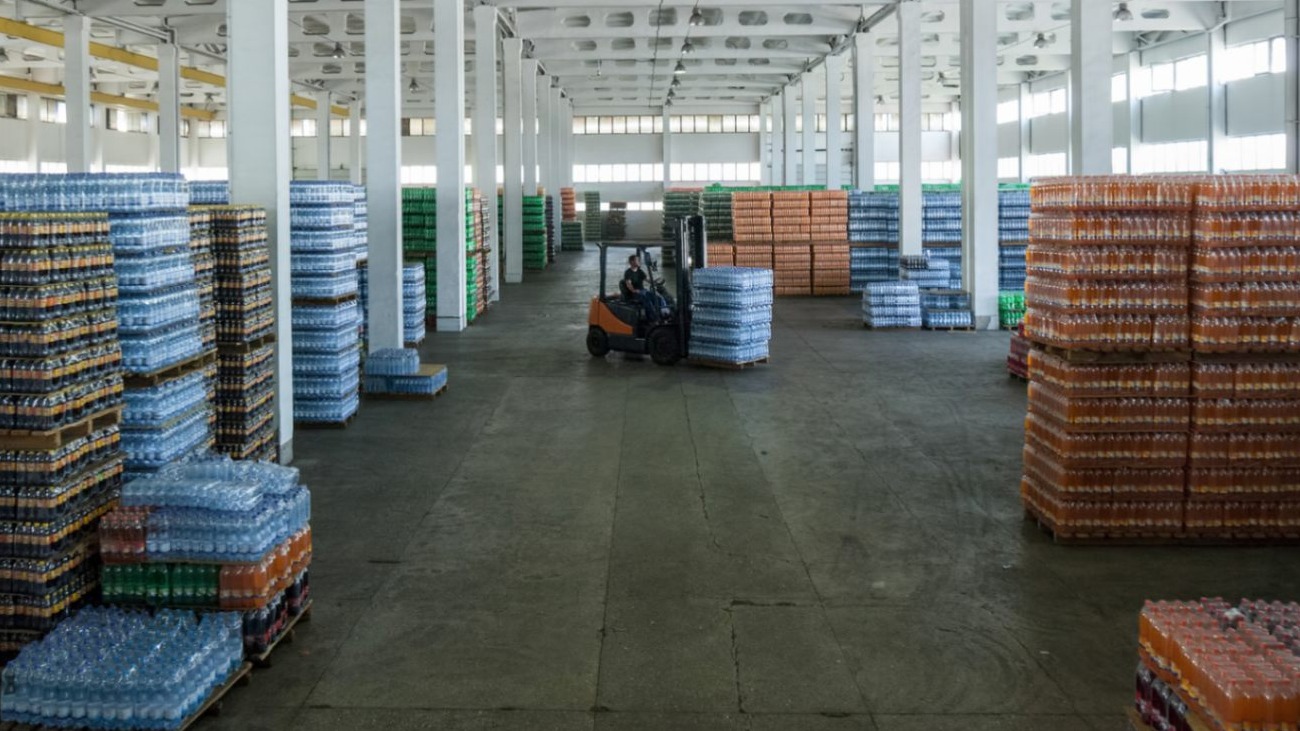
Non-Hazardous Liquid
Definition
A non-hazardous liquid is a fluid that does not meet regulatory criteria for hazardous materials and poses minimal risk to health, safety, or the environment under normal handling. These liquids can generally be stored, transported, and disposed of using standard precautions, though basic measures such as containment, labeling, and spill cleanup are still recommended.
Overview
Overview
Non-hazardous liquid supply chains move fluids such as water, edible oils, beverages, cosmetics, and many industrial liquids that are not classified as hazardous. These supply chains prioritize product integrity, cost-effective transport and storage, and operational efficiency. Recent innovations in packaging, digital tracking, and automation are reshaping how these liquids are produced, stored, and delivered — balancing high throughput with quality assurance.
Key components
- Sourcing and production: Raw liquid inputs or formulations produced at manufacturing facilities. For food-grade liquids, production follows sanitary standards and strict quality control.
- Packaging and primary containment: Choice of drums, IBCs, bottles, or tanker tanks based on volume, compatibility, and end use.
- Storage and warehousing: Warehouses with appropriate shelving, bulk tank farms, or refrigerated storage if temperature-sensitive.
- Transport and distribution: Local and long-haul movement by road, rail, sea. Bulk tankers or palletized containers are common.
- Retail and end-use: Transfer to distributors, retailers, or direct-to-consumer shipments, ensuring product quality until final delivery.
Efficiency levers
Optimizing non-hazardous liquid supply chains typically focuses on reducing handling steps, maximizing container utilization, and improving inventory turns. Common strategies include:
- Bulk-to-pack transformation at strategic locations to reduce transport of air and packaging weight.
- Use of returnable packaging (e.g., reusable IBCs and pallets) to lower cost and waste.
- Route optimization for tanker deliveries to reduce empty runs and fuel use.
- Cross-docking where possible to minimize storage time for fast-moving liquids.
Innovations driving change
- Smart containers and IoT: Sensors on tanks and IBCs monitor temperature, fill level, and tamper events in real time. This reduces loss, improves safety, and enables condition-based logistics.
- Digital traceability: Batch-level tracking through barcode/RFID and cloud systems supports recalls, quality audits, and regulatory reporting.
- Advanced packaging: Flexible intermediate bulk containers and lightweight, food-grade materials reduce transport costs and carbon footprint.
- Automation: Automated filling, palletizing, and CIP systems speed throughput in warehouses and plants while maintaining sanitary standards.
Balancing cost and quality
Non-hazardous liquid supply chains must balance cost-effective movement with maintaining quality. Key trade-offs often include selecting bulk transport to lower unit cost versus smaller packaged shipments that reduce contamination risk and support direct-to-consumer delivery. Using data (demand forecasting, shelf-life modeling) helps planners choose the best approach by product and market.
Sustainability and circular approaches
Many companies are adopting circular strategies: reusable IBC pools, recyclable materials, concentrated formulations to reduce water transport, and localized filling to cut transport miles. Reducing plastic use and improving fuel efficiency in tank fleets are common targets. These approaches often reduce cost while appealing to environmentally conscious customers.
Regulatory and quality considerations
Although non-hazardous liquids avoid hazardous-materials regulations, they must meet sector-specific standards: food safety (HACCP, FDA/EU rules), cosmetics regulations, or chemical registration requirements. Quality management systems, supplier audits, and traceability are essential to demonstrate compliance and protect brand reputation.
Practical best practices (beginner-friendly)
- Map your product flows: know where handling and transfer points are to reduce touchpoints and contamination risk.
- Standardize containers: use common sizing and fittings to simplify handling and reduce special parts.
- Instrument critical assets: monitor tank levels and temperatures to reduce stockouts and quality loss.
- Use technology for forecasting: predictable replenishment reduces emergency shipments and waste.
- Plan for returns and cleaning: a pool system for IBCs or drums can save cost but requires efficient reverse logistics and sanitation processes.
Common pitfalls
Frequent mistakes include underestimating contamination risks, ignoring packaging compatibility, failing to track lot information, and not planning for reverse logistics. Overreliance on manual processes can also create bottlenecks and quality lapses.
Real-world example
A mid-size edible oil producer reduced costs by switching from shipping partially filled IBCs to centralized bulk transport into regional depots, then repacking into retail bottles locally. The change cut transport miles and lowered breakage, while IoT monitors at depots ensured temperature and inventory visibility.
Final thought
Non-hazardous liquid supply chains offer significant opportunities for efficiency gains through smart packaging, digital tools, and thoughtful process design. By combining practical best practices with targeted innovation, organizations can move liquids faster, safer, and more sustainably — all while protecting product quality and reducing cost.
Sources And Additional Reading (3)
- Shipping Solutions
“Shipping Solutions.” UPS, https://www.ups.com/us/en/supplychain/solutions/small-business.page.
- 3PL Guide
“3PL Guide.” DCL Logistics, https://dclcorp.com/blog/3pl/guide-third-party-logistics-3pl-fulfillment-providers/.
- Supply Chain Topics
“Supply Chain Topics.” Celigo, https://www.supplychaindive.com/.
More from this term
Looking for a 3PL?
Compare warehouses on Racklify and find the right logistics partner for your business.