
ORM-D Replacement Explained: A New Era for Shipping Compliance
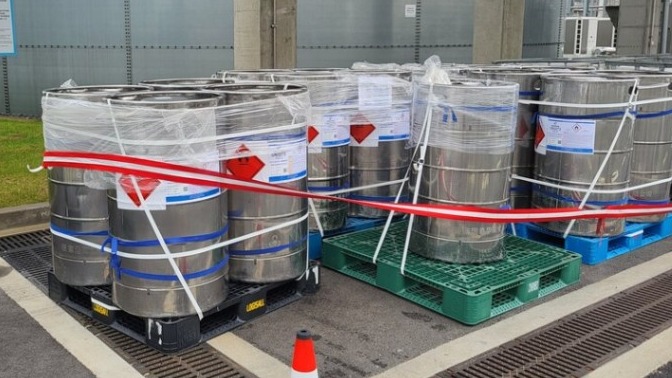
ORM-D replacement
Definition
The set of markings, packaging, and regulatory procedures that took the place of the former "ORM-D" designation for limited-quantity hazardous consumer goods. Under current DOT, ICAO, and IATA rules, shippers use "Limited Quantity" marks, consumer-commodity exceptions (such as ID8000/UN 8000 where applicable), or full UN-specification packaging and labels to meet transport requirements.
Overview
What ORM-D was
ORM-D (Other Regulated Materials — Domestic) was a U.S. Department of Transportation (DOT) designation used for certain hazardous materials in limited quantities that presented a limited hazard during transportation—mostly consumer products such as small aerosols, cosmetics, and household chemicals. The ORM-D marking and simplified handling rules helped many retailers, e-commerce businesses, and shippers move small parcels without full hazardous materials paperwork and labeling, provided they met quantity and packaging limits.
Why the change happened
The ORM-D designation was phased out to harmonize U.S. domestic shipping rules with international hazardous materials standards (such as those developed for air and sea transport by IATA/ICAO and IMDG). Global harmonization improves safety, reduces confusion among carriers that operate across borders, and brings U.S. practice in line with international packaging, labeling, and documentation requirements. In short, the goal was to simplify compliance by using a single set of concepts and markings that are recognized worldwide rather than a U.S.-only label.
What replaced ORM-D
The primary replacements are the internationally recognized Limited Quantity (often shown as a black-and-white diamond "square-on-point" marking) provisions and the consumer-commodity exceptions used in air and ground transport. Under these frameworks, certain small quantities of hazardous goods can be shipped with reduced labeling and documentation if they meet strict classification, packaging, and quantity-per-package limits. For some types of consumer goods, special provisions explicitly designed for "consumer commodities" or limited quantity exceptions are used instead of the old ORM-D approach.
How this affects everyday shippers and sellers (beginner-friendly)
For small businesses, online sellers, and retailers that used ORM-D in the past, the practical impact is mostly procedural: you must now classify your goods under the current hazardous materials rules, determine whether they qualify for Limited Quantity or consumer-commodity exceptions, and apply the correct packaging, marking, and labeling. In many cases the shipping outcomes are similar—small packages can still move with lighter paperwork—but the markings and rules you rely on are different and aligned with international standards.
Step-by-step approach to comply with the replacement rules
- 1. Classify the product: Start with the Safety Data Sheet (SDS) and product formulation to determine whether the item is a regulated hazardous material and under which hazard class(es) it falls.
- 2. Check quantity limits and exceptions: Verify whether your product qualifies for Limited Quantity provisions or a consumer-commodity exception. These exceptions have strict per-package quantity limits and packaging requirements.
- 3. Use correct packaging: Follow the required packaging standards and performance tests. Some items previously shipped as ORM-D may now require different cushioning, inner packaging, or outer packaging to meet international rules.
- 4. Apply the right marking and labeling: Replace the old ORM-D mark with the applicable Limited Quantity marking or the consumer-commodity marking and any required hazard labels. The visual symbols and placement differ from ORM-D, so update any printed materials and SOPs.
- 5. Prepare documentation: Limited Quantity shipments often require simpler documentation than fully regulated consignments, but paperwork and shipping manifests must still reflect the correct classification and any special provisions. For air transport, additional documentation rules may apply.
- 6. Choose carriers and services carefully: Not all carriers accept all classes of hazardous materials or certain exceptions. Confirm carrier policies and service-level restrictions (e.g., ground-only, not eligible for air).
- 7. Train staff and update procedures: Ensure warehouse, fulfillment, and shipping teams understand the new rules, marking requirements, and which SKUs qualify for limited-quantity handling.
Common mistakes to avoid
- Assuming ORM-D is still valid: Using outdated ORM-D markings or relying on old procedures can lead to rejected shipments, fines, or safety incidents.
- Incorrect classification: Misclassifying a product (or failing to account for blended hazards) can mean the item does not qualify for Limited Quantity or consumer-commodity exceptions.
- Poor packaging or overfilling: Exceeding the per-package limits or using non-compliant packaging is a common cause of non-compliance.
- Mixing incompatible items: Putting different hazardous materials together without checking compatibility can create a dangerous situation, even if each item individually qualified for an exception.
- Neglecting carrier rules: Air, rail, road, and courier providers may apply additional restrictions—especially for dangerous goods like lithium batteries—so always verify carrier-specific requirements.
Real-world examples
Many consumer items that used ORM-D in the past—small aerosol personal care products, nail polish remover, small bottles of cleaning solutions, and certain packaged household chemicals—now commonly ship under Limited Quantity provisions or consumer-commodity exceptions. Lithium batteries are an important exception: they have their own strict set of rules that often differ from general Limited Quantity allowances and must be evaluated separately.
Best practices for a smooth transition
- Audit your SKU list: Identify which products were shipped as ORM-D and re-evaluate each under current rules.
- Document decisions: Keep records of classification, quantity calculations, and the basis for using any exception—this helps in audits or carrier inspections.
- Train and certify staff: Provide periodic hazardous materials training so employees understand classification, packaging, and marking changes.
- Automate where possible: Use shipping software, WMS or TMS integrations that include hazardous materials checks to reduce human error.
- Work with specialists: When in doubt, consult a hazardous materials consultant or a knowledgeable 3PL/transport provider to avoid costly mistakes.
Why this is ultimately better
The replacement of ORM-D with internationally recognized limited-quantity and consumer-commodity frameworks reduces confusion for businesses that ship domestically and internationally, improves safety through consistent packaging and marking standards, and simplifies carrier interactions. For shippers, it means an initial learning curve but ultimately clearer rules that work across borders and transport modes.
Final note for beginners
If you previously shipped under ORM-D, treat the transition as an opportunity to review product classifications, update packaging and labels, and train your team. Start with an SKU audit, consult your SDS, and reach out to carriers or consultants for borderline cases. With a few updates to processes and markings, most small consumer shipments can continue to move efficiently and safely under the new, harmonized rules.
More from this term
Looking for a 3PL?
Compare warehouses on Racklify and find the right logistics partner for your business.