
ORM-D Replacement: What It Means for Modern Supply Chains
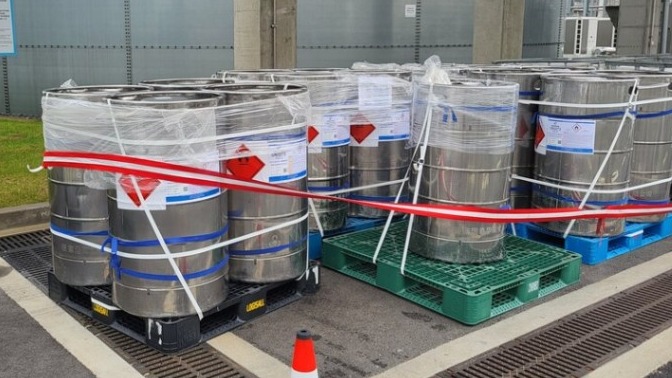
ORM-D replacement
Definition
The set of markings, packaging, and regulatory procedures that took the place of the former "ORM-D" designation for limited-quantity hazardous consumer goods. Under current DOT, ICAO, and IATA rules, shippers use "Limited Quantity" marks, consumer-commodity exceptions (such as ID8000/UN 8000 where applicable), or full UN-specification packaging and labels to meet transport requirements.
Overview
What ORM-D was
The term ORM‑D (Other Regulated Materials-Domestic) was a U.S. marking used for a narrow set of consumer commodities that presented limited hazard in transportation when packaged in specified quantities. Examples commonly moved under ORM‑D included certain aerosols, small containers of household cleaners, and similar consumer products that met packing and quantity limits for limited risk over land transport.
What "ORM-D replacement" means
ORM‑D replacement refers to the regulatory and operational shift away from the ORM‑D marking toward the use of harmonized "limited quantity" (or "Ltd Qty") provisions and the full application of current hazardous materials regulations (49 CFR for U.S. ground transport, ICAO/IATA for air, and IMDG for sea). In practice this means shippers can no longer mark packages ORM‑D; instead they must classify products under current hazardous materials rules, apply the appropriate limited‑quantity marking when eligible, follow applicable packaging standards, and include required documentation and training.
Why the change happened
Regulators removed ORM‑D to harmonize U.S. domestic rules with international dangerous goods standards, reduce inconsistent labeling, and improve safety and clarity across modal boundaries (road, air, sea). The harmonized approach reduces confusion for carriers operating internationally and ensures consistent safety protection and emergency response information.
Which goods are affected
Most consumer commodities that previously used ORM‑D remain shippable if they meet current limited‑quantity criteria, but they must be classified against modern hazard criteria. Typical product categories include:
- Aerosols and small pressurized cans (when they meet size/pressure/packaging limits)
- Household cleaners and solvents in small retail packaging
- Small batteries and electronic components (note: many batteries have separate specific requirements and may not qualify as limited quantity)
Operational impacts on supply chains
The replacement has meaningful implications for shippers, warehouses, carriers, and 3PLs. Key operational effects include:
- Reclassification work: Products must be evaluated against current hazard criteria; many will qualify as limited quantity but require different marking and packaging.
- Labeling and packaging changes: ORM‑D labels must be replaced with the applicable limited‑quantity markings, handling labels, or full hazard labels when required. Packaging must meet current tests and restrictions.
- Documentation updates: Air and maritime movements require specific declarations under IATA/IMDG and may need a proper shipping name and UN number; even ground shipments may need different paperwork or manifests.
- Training and procedures: Staff must be trained to current hazmat standards for classification, marking, and emergency response; written procedures must be updated.
- Systems and tools: WMS/TMS and label printers require configuration changes to produce the correct markings and to flag shipments that need full dangerous goods handling.
Compliance checklist — practical steps for shippers and warehouses
- Inventory audit: Identify SKUs historically sent as ORM‑D and collect up‑to‑date Safety Data Sheets (SDS) and technical specifications.
- Classify products: Use SDS data and regulatory guidance to determine proper classification and whether a SKU meets limited‑quantity criteria.
- Update packaging: Ensure packaging meets current testing, inner packaging, and quantity limits required by 49 CFR, IATA, or IMDG as appropriate.
- Apply correct markings and labels: Replace ORM‑D labels with the standardized limited‑quantity marking or the full hazard label when needed.
- Revise documentation: Update shipping documents, declarations, and manifests according to the movement mode and destination.
- Train staff: Provide required hazmat training for personnel involved in classification, packing, labeling, and shipping, and document training records.
- Update software and SOPs: Modify WMS/TMS templates, pick/pack SOPs, and carrier booking rules to reflect the new requirements.
- Engage carriers and partners: Confirm carrier acceptance and any additional restrictions or service limitations.
Best practices
- Centralize classification: Keep a single, documented source of truth for hazard classifications and approval sign‑offs to avoid inconsistent handling across facilities.
- Maintain current SDSs: Request updated SDSs from suppliers and reconcile SDS data with your classification decisions regularly.
- Automate checks: Use WMS/TMS rules to automatically flag items that require hazmat handling or special carrier selection.
- Perform periodic audits: Regularly audit packaging, marking, and training compliance to catch drift and to prepare for inspections or carrier audits.
- Communicate with carriers: Early engagement with carriers avoids rejected shipments and service delays; some carriers have stricter acceptance policies even for limited quantities.
Common mistakes to avoid
- Assuming ORM‑D still applies: Continuing to use old ORM‑D labels or procedures can lead to rejected shipments, fines, and safety risks.
- Misclassifying products: Relying solely on product names instead of SDS and technical data can produce incorrect classification and labeling.
- Neglecting modal differences: A product eligible as limited quantity for ground may not be eligible for air or sea without additional constraints or prohibitions.
- Overlooking training requirements: Inadequately trained staff increases the risk of mislabeling, improper packaging, and noncompliance penalties.
Real-world example
A direct-to-consumer company that shipped small aerosol cans as ORM‑D updated its program after the phase‑out. The company reclassified the SKUs, redesigned inner packaging to meet limited‑quantity packaging tests, replaced ORM‑D labels with the required limited‑quantity marking, updated its shipping software to auto‑apply rules, and retrained warehouse staff. The result: fewer carrier rejections, clearer emergency response info for first responders, and better alignment with international carriers when cross‑border moves were required.
Why this matters for modern supply chains
Harmonizing to limited‑quantity provisions and full hazardous materials rules improves safety, reduces ambiguity across modal and international boundaries, and helps carriers and emergency responders quickly identify risks. For supply-chain managers, the change demands improved product data governance, stronger operational controls, and investment in training and systems—but it also reduces the long‑term friction of managing inconsistent markings and practices across regions and transport modes.
When to get expert help
If your operation handles many borderline items, international shipments, or high volumes of small hazardous commodity shipments, it is wise to consult a dangerous goods specialist or regulatory consultant. Misclassification or incorrect documentation can result in fines, shipment delays, and significant safety exposure.
In short, ORM‑D replacement is less about creating new hazards and more about bringing legacy labeling into a modern, harmonized regulatory framework. With systematic classification, packaging updates, staff training, and software changes, organizations can transition smoothly while improving safety and cross‑border consistency.
More from this term
Looking for a 3PL?
Compare warehouses on Racklify and find the right logistics partner for your business.