
Overpacks in Dangerous Goods Logistics
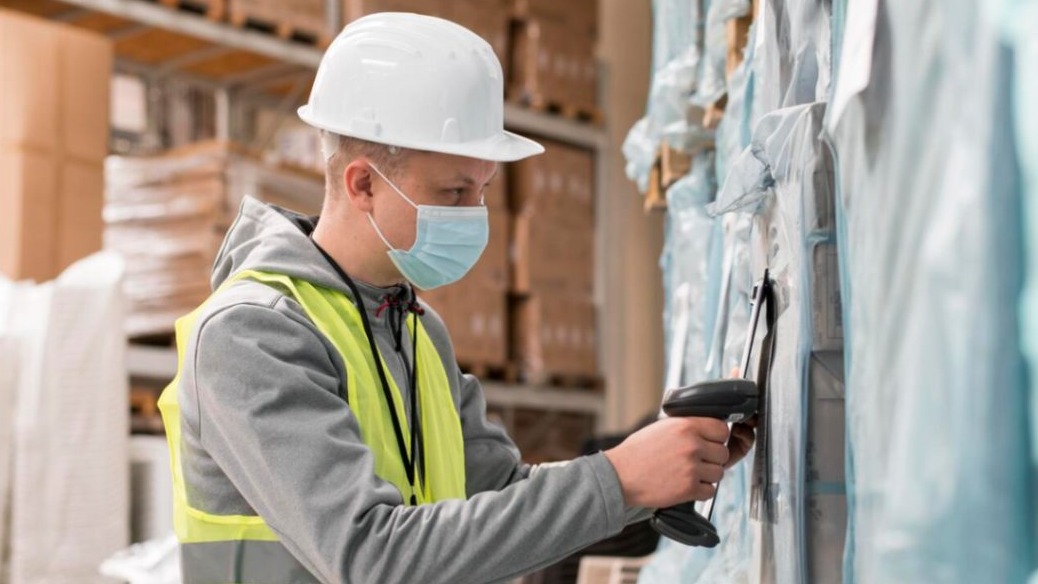
dangerous goods shipping
Definition
Dangerous goods shipping is the transport of materials that pose risks to health, safety, property, or the environment, such as flammable, toxic, corrosive, or explosive substances. It requires specialized packaging, labeling, documentation, and handling to comply with national and international regulations and to ensure safe movement by road, rail, sea, or air.
Overview
Definition and purpose
An overpack is an enclosure—such as a pallet wrapped with shrink-wrap, a large outer crate, or a stout outer box—used by a single shipper to consolidate one or more packages into a single handling unit. In dangerous goods logistics an overpack serves to simplify handling, protect inner packages from mechanical damage, and reduce the chance of loss during movement while maintaining regulatory safety requirements.
When overpacks are used
Shippers commonly use overpacks when multiple packages are to be handled as one unit (for example, palletized shipments), when inner packages need additional physical protection, or to comply with carrier handling constraints. Overpacks are also used to combine packages that must travel together for operational reasons—such as several small, related hazardous goods shipments consolidated for a single consignee.
Regulatory requirements — core points
Overpacks carrying dangerous goods are subject to specific compliance rules across international and national regulations (for example IMDG, IATA DGR, ADR, and 49 CFR). Key requirements include:
- Marking for visibility: If the hazard labels, placards or markings on the individual inner packages are not visible through the overpack (for instance, obscured by shrink-wrap), the word "OVERPACK" must be clearly and durably marked on the exterior of the overpack so handlers and inspectors know the unit contains consolidated packages.
- Label duplication: All hazard labels, handling labels and UN (United Nations) numbers present on the internal packages must be reproduced on the outside of the overpack. This duplication ensures emergency responders and transport personnel can identify hazards without opening the overpack.
- Integrity and segregation: The overpack must not contain incompatible materials together. Shippers must refer to the applicable segregation or compatibility tables (for example the Segregation Table in Article 1 of the relevant regulation) to ensure substances that react or create unsafe conditions are not packed together inside an overpack.
- Construction and strength: The overpack must be of sufficient strength and construction to contain the internal packages securely and to withstand normal conditions of transport without releasing its contents.
- Documentation and declaration: Transport documents must reflect that the shipment is an overpack where required, and include the dangerous goods descriptions, UN numbers, packing group, quantity and emergency contact information as applicable.
Marking and labeling best practices
To avoid non-compliance and delays, follow these practical steps:
- Place a clear, durable "OVERPACK" marking on at least two opposing sides and the top if practical.
- Replicate each inner package's hazard labels and UN number on the exterior in the same orientation and with adequate size and contrast so they are legible at normal handling distances.
- If placards are required by transport mode (road, sea or air), ensure placards are visible and applied according to the modal rules; overpacks must not obscure placarded information required by the carrier or regulation.
Inspection, acceptance and handling considerations
Carriers and freight forwarders will inspect overpacks during acceptance. Common inspection points include verification that the outer markings match the shipping papers, that the overpack is secure and undamaged, and that incompatible goods are not packed together. Overpacks must be accessible for inspection when required by authorities, so permanent sealing that prevents inspection may not be acceptable.
Examples
Real-world examples include:
- A pallet containing six boxes of a flammable solvent, shrink-wrapped for stability. If the individual flammable labels are not visible under the wrap, the pallet must be marked "OVERPACK" and have the flammable labels and UN number visible on the pallet wrap or an attached durable label.
- A large wooden crate containing multiple smaller drums of corrosive liquid. The crate must show the corrosive hazard label(s) and the UN numbers for the contents on the outside and must not include incompatible substances inside.
Common mistakes and how to avoid them
Frequent errors include failing to mark "OVERPACK" when internal labels are obscured, omitting duplication of UN numbers or hazard labels on the exterior, and combining incompatible goods inside an overpack. To avoid these mistakes:
- Implement a standard packing checklist that requires verification of external label duplication and the "OVERPACK" marking.
- Train packers and quality control staff on segregation tables and incompatibility rules applicable to your transport modes.
- Use durable printed labels and weather-resistant markings for overpacks intended for multimodal transport.
Operational and safety benefits
When properly implemented, overpacks reduce handling damage, streamline pallet-level handling, and maintain the clear visibility of hazard information for emergency responders and carriers. They also reduce the risk of package loss and can lower handling costs by allowing the shipment to move as a single unit.
Final note
Because national and modal regulations may vary in specific wording and additional requirements, shippers should consult the applicable regulation for the transport mode (IMDG for sea, IATA for air, ADR for road in Europe, 49 CFR for the U.S.) and their carrier’s acceptance rules. Regular training, a documented packing procedure and pre-shipment checks will ensure overpacks with dangerous goods remain compliant and safe.
More from this term
Looking for a 3PL?
Compare warehouses on Racklify and find the right logistics partner for your business.