
Oversized Freight Unlocked: How Modern Supply Chains Move the Impossible
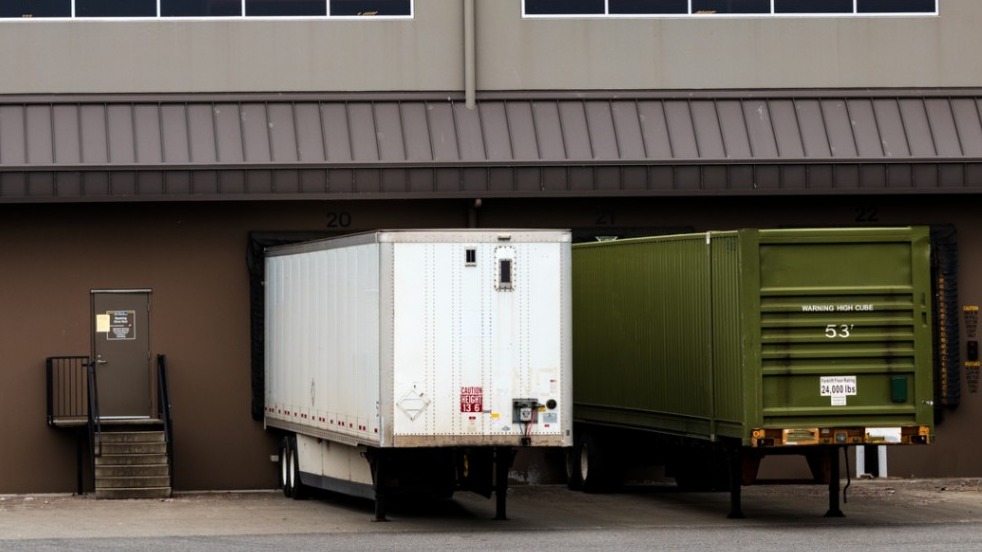
Oversized Freight
Definition
Oversized freight is cargo whose weight or dimensions exceed standard legal or carrier limits for regular transport. It requires special equipment, routing, permits, and sometimes escort vehicles to move safely and compliantly.
Overview
Oversized freight describes goods that are too large, too long, too tall, or too heavy to travel using normal transport methods without special arrangements. These loads can include wind-turbine blades and towers, industrial transformers, mining equipment, yachts and boats, bridge beams, modular buildings, and other single pieces or assemblies that exceed standard legal limits for dimensions or axle weights.
The movement of oversized freight is a discipline that blends engineering, logistics planning, regulatory navigation, and specialized equipment. Modern supply chains have developed repeatable processes and technologies that allow organizations to move items that once seemed impossible to transport.
Why oversized freight is different
Oversized freight differs from standard freight in several key ways:
- Regulatory complexity: Each jurisdiction sets its own permit regimes, maximum dimensions, and escort requirements. Cross-border moves require separate permits and customs coordination.
- Special equipment: Standard trailers won’t do. Shippers use extendable low-loaders, multi-axle modular trailers, Schnabel trailers, self-propelled modular transporters (SPMTs), and heavy-lift vessels.
- Route constraints: Loads face practical obstacles—low bridges, narrow turns, weight-limited roads, power lines, and traffic patterns—that require careful surveying and sometimes temporary infrastructure changes.
- Safety and liability: The risk profile is elevated, so cargo securement, load distribution, insurance, and qualified personnel are essential.
Common modes and equipment
Moving oversized freight typically uses a combination of road, sea, and sometimes rail. Air is rare and only for lighter, urgent oversized shipments. Common specialized equipment includes:
- Extendable low-bed and low-loader trailers: For long or tall pieces that need a low center of gravity.
- Multi-axle modular trailers (Goldhofer-type): Allow precise weight distribution and can be configured with many axles for very heavy weights.
- Self-propelled modular transporters (SPMTs): Used in ports and yards for very heavy, short-distance moves; they can maneuver in tight spaces and synchronously steer many axles.
- Schnabel trailers: Designed to carry extremely heavy transformers and power-equipment by suspending the cargo between trailer halves for better weight distribution.
- Heavy-lift vessels (float-on/float-off, semi-submersible): For ocean transport of extremely large or heavy items; cargo is floated onto the vessel or lifted by heavy cranes.
How modern supply chains move the impossible
Successful oversized freight transport follows a staged, collaborative workflow:
- Feasibility and engineering assessment: Engineers check dimensions, center of gravity, attachment points, structural integrity, and whether modular disassembly is possible.
- Route survey and simulation: Physical surveys, GPS mapping, and 3D route-simulation software identify obstacles and pinpoints where permits or temporary works are needed. Drones and laser scanning are increasingly used for precise clearance checks.
- Permitting and stakeholder coordination: The carrier secures oversize/overweight permits, organizes pilot cars or police escorts, coordinates utility companies (for power-line lifts), and works with local authorities for temporary road closures or signage removal.
- Equipment selection and loading: Choosing the right trailer, axle configuration, and securing methods is essential. Loading may require heavy cranes, jacking/skidding systems, or SPMTs for roll-on placement.
- Transport and monitoring: Convoys follow planned windows—often at night or weekends—to reduce public disruption. Telematics, GPS tracking, and live communication maintain control and adjust to changing conditions.
- Offloading and final placement: The arrival site must be prepared with the right lifting gear, foundations, or jacking systems to accept the cargo safely.
Real-world examples
- Wind-turbine components: Blades and towers are transported as long, delicate pieces requiring special cradles and long, slow road convoys. Route planning often avoids tight turns and low clearances.
- Electrical transformers: Extremely heavy and bulky, they are typically moved on Schnabel trailers or multi-axle modular trailers and often travel with police escorts during off-peak hours.
- Modular construction modules: Sections of buildings are transported on extendable trailers and require careful lifting and site sequencing to integrate into the final structure.
Best practices
- Start planning early: Permits, route approvals, and stakeholder buy-in can take weeks or months.
- Use experienced specialists: Heavy-haul carriers, engineers, and pilots with local knowledge reduce risk and unexpected costs.
- Invest in route simulation: Virtual modeling and drone surveys can prevent costly last-minute reroutes or site modifications.
- Communicate clearly: Coordinate with local authorities, utilities, police, and community stakeholders to manage disruptions and safety.
- Prepare contingency plans: Weather, road closures, or mechanical issues require backup routes, extra equipment, and flexible timing windows.
- Secure proper insurance: Heavy and oversized cargoes carry high replacement and delay costs; specialized cover is essential.
Common mistakes to avoid
- Underestimating permits and lead time: Waiting until the last minute often forces rushed, expensive solutions or cancelled moves.
- Poor route assessment: Overlooking overhead wires, bridge load limits, or turn radii leads to costly delays or physical damage.
- Inadequate securing and load distribution: Incorrect weight placement can damage infrastructure or cause dangerous instability in transit.
- Poor stakeholder coordination: Failing to notify utilities or local authorities can result in denied movement or public safety issues.
Technology and innovation
Modern tools have transformed oversized freight planning and execution: advanced CAD and route-simulation tools, 3D scanning for clearance verification, telematics for live monitoring, digital permit platforms, and collaborative cloud-based planning systems. SPMTs and modular trailer technologies let teams shift and distribute enormous loads with precision, while heavy-lift vessels expand the range of global moves.
Cost considerations
Costs depend on distance, escorts, permits, route modifications, type of equipment, labor, and timing. Moves that require bridge strengthening, temporary removal of public infrastructure, or long escort convoys are significantly more expensive. Early engineering and modularization (breaking a large asset into smaller, reassembled parts) can sometimes lower total cost.
When to call a specialist
If cargo exceeds standard legal limits, has an unusual shape, weighs several tons, or needs to travel through multiple jurisdictions, involve heavy-haul specialists and engineers early. Their experience with permits, equipment, and risk management will typically save time and money.
Bottom line
Oversized freight is a high-skill area of logistics that turns engineering constraints into predictable, repeatable processes. With careful planning, the right partners, and modern technologies, supply chains can reliably move some of the largest and heaviest objects on the planet—making the seemingly impossible routine.
More from this term
Looking for a 3PL?
Compare warehouses on Racklify and find the right logistics partner for your business.