
Premium Packaging — The Art and Innovation Behind Premium Packaging Design
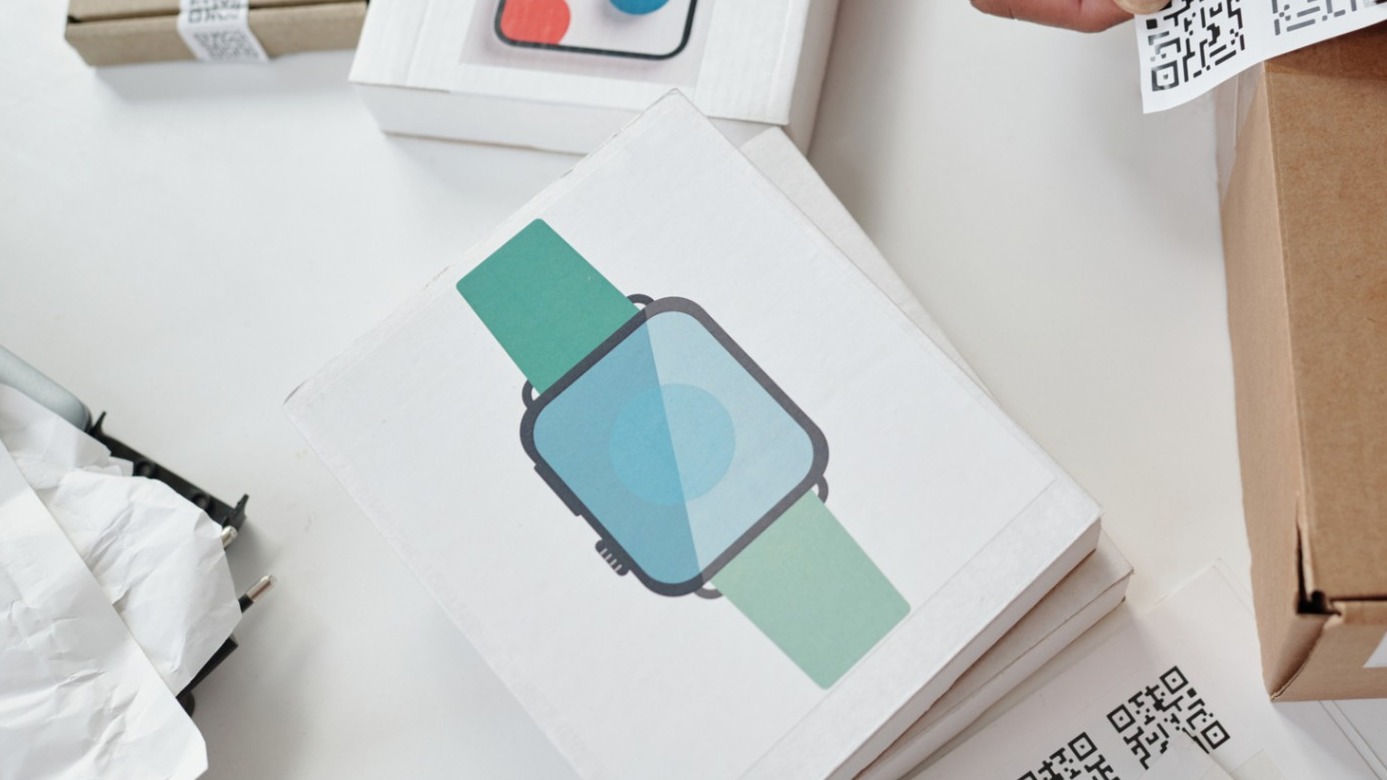
Premium Packaging
Definition
Premium packaging is high-quality, custom-designed packaging that uses superior materials, finishes, and structural design to protect products and enhance brand perception. It focuses on an elevated unboxing experience, improved functionality, and may include sustainable or specialty materials that justify higher cost and differentiate products in the market.
Overview
What is premium packaging?
Premium packaging refers to boxes, containers, and presentation systems designed to make a product feel higher-value through thoughtful materials, finishing techniques, and an engaging unboxing experience. It goes beyond basic protection: it communicates brand story, quality, and care from the moment a customer sees or opens the package.
Why premium packaging matters (beginner-friendly)
For buyers, premium packaging signals trustworthiness and quality. It helps products stand out on shelves, supports higher price points, encourages repeat purchases, and drives social sharing (unboxing videos and photos). For brands, it strengthens identity, improves perceived value, and can become a marketing asset.
Core elements of premium packaging
- Materials: rigid board, specialty paper, textured laminates, metal inserts, window films, or engineered foams—each choice affects look, feel, and protection.
- Structure and engineering: magnetic closures, multi-layer trays, nested boxes, and custom inserts that hold the product securely and present it beautifully.
- Finishing techniques: foil stamping, embossing/debossing, spot UV, soft-touch coatings, and specialty inks that add tactile and visual richness.
- Brand storytelling: printed messages, bespoke patterns, tissue paper, and custom labels that communicate the brand’s values and narrative.
- User experience (unboxing): choreography of elements—what the customer discovers first, how easy it is to open, and the sensory experience (sound, texture, visuals).
Types and examples (simple categories)
- Luxury retail packaging: high-end cosmetics, watches, and jewelry boxes using rigid construction, plush inserts, and refined finishes.
- Premium electronics packaging: minimalist, protective boxes with precision inserts (Apple is a well-known example for clean design and careful unboxing).
- Gift and subscription packaging: durable, reusable boxes with personalized touches—ribbon, printed notes, or branded tissue.
- Sustainable premium packaging: molded fiber trays, recycled rigid board, and mono-material designs that balance luxury with eco-conscious choices.
Materials and sustainability considerations
Historically, premium meant glossy laminates and plastics; today, innovation has enabled premium presentation with responsible materials. Recycled and FSC-certified papers, water-based varnishes, biodegradable coatings, and mono-material constructions (easier to recycle) can deliver a luxury feel while minimizing environmental impact. When selecting materials, balance tactile quality, printability, protective performance, and end-of-life disposal.
Design innovation and tech-driven features
Premium packaging increasingly incorporates technology to enhance storytelling and engagement. Examples include NFC tags for instant product authentication, QR codes linking to video content or instructions, augmented reality overlays for interactive experiences, and tamper-evident smart seals for security. On the production side, digital printing and variable data allow limited-edition personalization without large tooling costs.
Manufacturing processes and cost drivers
Premium features often require additional manufacturing steps—die-cutting, embossing, foiling, hand-assembly, and custom inserts—which raise unit costs and minimum order quantities (MOQs). Key cost factors include material choice, finishing techniques, tooling setup, labor for hand-finishing, and complexity of inserts. For small brands, consider hybrid approaches: high-impact finishes on focal areas, digital personalization, or using standard box blanks with bespoke inserts to control costs.
Implementation steps and best practices (beginner checklist)
- Define goals: Is the aim to increase perceived value, improve protection, or create a memorable unboxing? Clear goals guide material and structural choices.
- Design for brand and function: Ensure the look aligns with brand identity and the structure protects the product during shipping and retail handling.
- Prioritize prototyping: Build mockups and samples to test fit, feel, and assembly. Prototypes reduce costly revisions later.
- Choose suppliers carefully: Work with vendors experienced in premium finishes and quality control. Ask for sample galleries and references.
- Test logistics: Conduct drop and compression tests that reflect real-world shipping to prevent damage.
- Consider sustainability claims: Verify recyclability and certifications before promoting green credentials.
- Scale thoughtfully: Move from small batches to larger runs as demand grows, keeping an eye on MOQs and lead times.
Common mistakes to avoid
- Prioritizing form over function: A beautiful box that fails to protect the product will harm the brand through returns and negative reviews.
- Skipping prototypes: Not testing concept fits and assembly often leads to costly tooling changes.
- Over-designing: Excessive complexity can increase costs, slow production, and create logistical headaches.
- Greenwashing: Making unverified sustainability claims risks reputation damage—ensure certifications and proper labeling.
- Ignoring shipping realities: Retail-ready aesthetics that don’t survive e-commerce shipping will disappoint customers.
Real-world examples (beginner-friendly)
Apple’s packaging demonstrates how minimalism, precise engineering, and tactile finishes create a premium feel with relatively simple materials. Luxury perfume brands use rigid boxes, embossed logos, and satin ribbons to evoke exclusivity. Subscription services often pair sturdy mailers with branded inner boxes and personalized inserts to convert recipients into repeat customers.
Tips for small businesses and startups
Start with a clear brand story and one or two premium elements—such as a soft-touch sleeve, a spot-UV logo, or a custom insert—that move perception without inflating costs. Use digital printing for short runs, request pre-production samples, and prioritize packaging that protects the product in e-commerce shipment. Track customer feedback and social-media engagement to evaluate the packaging’s impact on perceived value.
Final thoughts
Premium packaging is both an art and a craft: it requires creative design, careful material selection, and precise manufacturing. Innovation—whether through sustainable materials, interactive features, or refined finishes—lets brands tell richer stories and create memorable moments. Done well, premium packaging protects products, increases perceived value, and becomes part of the brand experience.
More from this term
Looking for a 3PL?
Compare warehouses on Racklify and find the right logistics partner for your business.