
Quality Control: Clean Tank Certificates and Wash Protocols
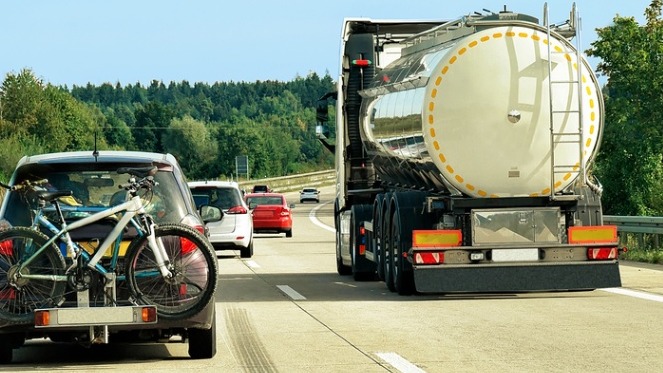
Bulk Liquid Shipping
Definition
Bulk liquid shipping is the movement of large volumes of liquids—such as crude oil, chemicals, edible oils, and liquefied gases—using specialized carriers like tankers, barges, or ISO tanks. It requires dedicated containment systems, loading and unloading equipment, and strict safety and regulatory controls to prevent spills, contamination, and hazards during transport.
Overview
In bulk liquid shipping, a Clean Tank Certificate (CTC) and its supporting wash protocol form the formal quality control package that certifies a tank is fit to carry a specified next cargo. Because tank assets are shared across industries, and because trace-level residues can compromise product quality or safety, terminals and shippers require documentary proof that a wash met defined criteria before allowing loading.
Why CTCs and wash protocols matter
Clean Tank Certificates are the last line of defense in a chain of controls that protects downstream manufacturing and consumer safety. A valid CTC demonstrates that an approved wash procedure was applied correctly, the tank passed required inspections and/or analytical tests, and any residual risk was communicated. Wash protocols describe the sequence of mechanical actions, temperatures, pressures, detergents or solvents, contact times, and verification steps used to remove or neutralize previous cargo residues.
Core elements of a robust CTC and wash protocol
- Product history: A concise listing of the previous cargoes carried by the tank (commonly the last five loads) so receiving parties can evaluate compatibility and risk.
- Wash recipe and parameters: Detailed instructions: nozzle type and spray pattern, water/steam temperatures, pressures, chemical agents used (including concentrations), exposure times, and mechanical agitation if applicable.
- Visual and mechanical checks: Interior visual inspection results, photographic records where feasible, and mechanical seal and manhole inspections to ensure the tank remained closed/secure after wash.
- Analytical verification where required: Rinse sampling, swab testing, total organic carbon (TOC), pH, conductivity, GC-MS or HPLC results, and the acceptance criteria linked to the next intended cargo.
- Chain-of-custody data: Who performed the wash, timestamps, facility identification, and signatures; often combined with a wash ticket that logs the wash machine, bay number, and operator ID.
- Contingencies and hold conditions: Instructions for tanks that fail verification—e.g., rewash steps, quarantine procedures, or escalation to lab analysis.
Typical wash protocol types
Wash protocols are selected based on the chemical and physical properties of the previous cargo and the compatibility of the next cargo:
- Water/steam-only washes: Used where cargoes are water-soluble and where temperature is effective at dissolution or hydrolysis.
- Caustic (alkaline) washes: Effective for removing fatty or organic materials, oils, and certain polymers.
- Acidic washes: For mineral scale or basic salt residues.
- Solvent-based washes: For hydrophobic residues that repel water; solvents may require special handling and environmental controls.
- Combined sequences: Many protocols combine caustic, water rinse, acid neutralization, and final sanitizing or passivation steps.
Verification thresholds and risk-based acceptance
Not all cargo transitions require the same level of analytical proof. Risk assessment drives verification thresholds: food-grade, pharmaceutical, or cosmetic grade product changes typically demand more rigorous verification (documented low parts-per-million or parts-per-billion limits using validated methods) than industrial-grade transitions. Terminals often maintain a compatibility matrix that maps previous/next cargo pairs to required wash recipes and verification tests.
Best practices for carriers, terminals and shippers
- Standardize wash protocols: Use validated standard operating procedures (SOPs) aligned to cargo compatibility matrices.
- Document everything: Include wash tickets, CTCs, photographic evidence, and analytical reports in a single accessible folder or digital record.
- Use accredited labs and methods: When analytical testing is required, apply validated methods with documented limits of detection and accredited lab reporting.
- Train operators: Ensure technicians understand nozzle selection, temperature control, chemical handling, and how to interpret acceptance criteria.
- Maintain equipment: Regularly calibrate spray nozzles, pressure gauges, thermometers and pumps to ensure reproducible wash performance.
- Adopt digital records and seals: Electronic CTCs tied to QR-coded mechanical seals reduce fraud risk and speed terminal checks.
Common mistakes and failure modes
- Insufficient documentation: Missing wash tickets, incomplete cargo histories, or unsigned CTCs are routine rejection causes at loading terminals.
- Inappropriate wash recipe: Using a generic wash for incompatible cargo pairs can leave residues or damage tank internals.
- Poor equipment maintenance: Worn nozzles or faulty pressure controllers reduce cleaning efficacy.
- Overreliance on visual checks: Some residues are invisible yet problematic; visual inspection alone is often inadequate for sensitive next-cargoes.
- Chain-of-custody gaps: Unsealed tanks, undocumented transfers, or lost tickets create disputes and denials at loading terminals.
Regulatory and commercial considerations
Regulatory frameworks (food safety, pharmaceutical cGMP, chemical transport regulations) may prescribe specific cleaning validations for certain cargo transitions. Commercially, carriers who can consistently provide robust CTCs and verified wash protocols gain preferred supplier status with terminals and large shippers; conversely, failure to supply valid CTCs can result in denied access and significant commercial penalties.
Practical example
A tank arrives after carrying an industrial solvent and is scheduled to load cosmetic-grade glycerin. The terminal requires a CTC showing a validated solvent-displacement wash sequence: solvent purging, high-temperature steam to 82°C, caustic recirculation, followed by multiple DI water rinses with documented TOC below an agreed limit, plus photographic inspection and a sealed manway. The wash ticket records bay number, nozzle set, temperatures and times. Analytical lab results are attached. With this package, the terminal authorizes loading; without it, loading is denied until rewash and re-verification are completed.
Conclusion
Clean Tank Certificates and wash protocols are non-negotiable quality assurance instruments in bulk liquid shipping. They combine operational detail, empirical verification and traceability to reduce cross-contamination risk, protect product integrity and maintain commercial access to terminals. Carriers and wash facilities that implement validated protocols, rigorous documentation and good maintenance practices reduce rejection risk and strengthen relationships with shippers and terminals.
Sources And Additional Reading (3)
- 3PL Guide
“3PL Guide.” DCL Logistics, https://dclcorp.com/blog/3pl/guide-third-party-logistics-3pl-fulfillment-providers/.
- Third-Party Logistics
“Third-Party Logistics.” Shopify, https://www.shopify.com/enterprise/blog/third-party-logistics-3pl.
- Ecommerce and Omnichannel
“Ecommerce and Omnichannel.” Multichannel Merchant, https://multichannelmerchant.com/.
More from this term
Looking for a 3PL?
Compare warehouses on Racklify and find the right logistics partner for your business.