
Boutique Fulfillment Strategies That Elevate Customer Experience
Definition
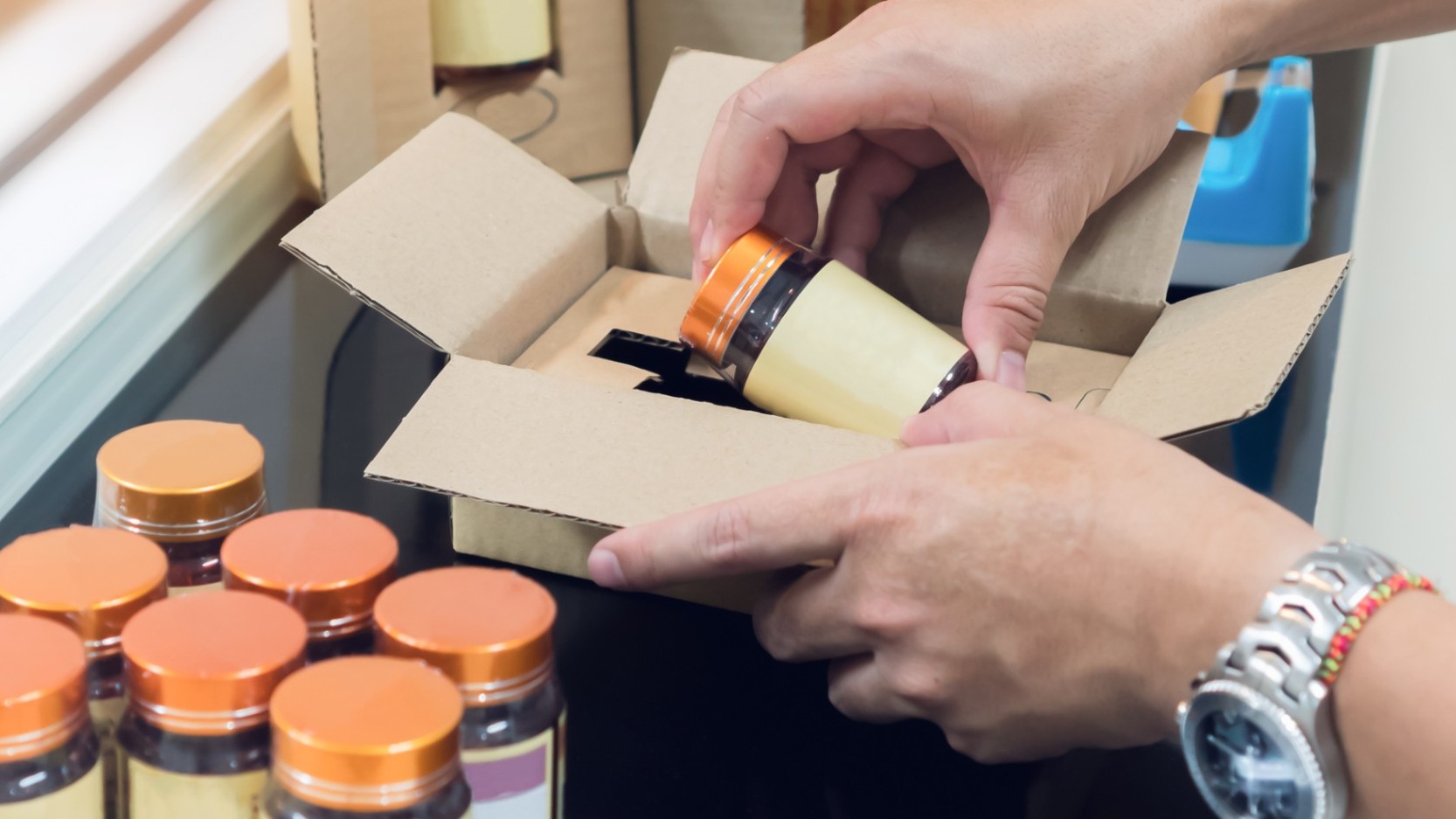
Boutique fulfillment is a specialized approach to order fulfillment tailored for small-to-medium brands that prioritize personalization, premium packaging, and high-touch service to create memorable customer experiences.
Overview
What is boutique fulfillment?
Boutique fulfillment refers to a set of warehousing and shipping practices designed for brands that emphasize quality, personalization, and a premium customer experience rather than purely low-cost, high-volume operations. Typical users include fashion labels, artisanal food or cosmetics makers, subscription boxes, and direct-to-consumer premium brands. Instead of treating every order the same, boutique fulfillment adapts processes—packaging, picking, customer notes, and delivery methods—to reflect brand values and delight customers.
Why it matters for customer experience
In competitive markets, the product alone rarely secures repeat business. Packaging, speed, communication, and the unboxing moment all shape customer perception. Boutique fulfillment turns those touchpoints into deliberate moments of delight, improving retention, positive reviews, and word-of-mouth. For small and growing brands, these differentiated experiences can become a core part of the brand promise.
Core elements of boutique fulfillment
These are the main elements that distinguish boutique fulfillment from standard fulfillment:
- Personalization — handwritten notes, customized inserts, tailored promotions, or personalized invoice messages based on customer data.
- Premium packaging — branded boxes, tissue paper, stickers, or high-quality mailers that enhance the unboxing experience and reinforce brand identity.
- Flexible picking and packing — small-batch, careful order picking and item inspection to ensure presentation and quality.
- White-glove services — assembly, gift wrapping, assembly instructions, or concierge delivery options for high-value items.
- Local and specialized carriers — partnerships with local couriers or same-day delivery providers to improve speed and reliability in target markets.
- Return management with care — easy, branded returns and exchanges with clear instructions and fast resolution.
Practical strategies to implement boutique fulfillment
Below are actionable strategies suitable for beginners that produce measurable improvements in customer experience.
- Define the brand promise and customer expectations. Start by articulating what you want customers to feel when they receive a package—luxury, handcrafted, eco-friendly, or playful. This guides everything from packaging materials to communication tone.
- Design packaging for unboxing. Use branded tissue, custom stickers, and a simple, consistent layout. Consider sustainability (recyclable materials, minimal filler) because many customers equate premium with responsible choices. Small details like a personalized thank-you card go a long way.
- Standardize personalization workflows. Create templates for handwritten notes, packing slips, and inserts. Implement simple rules (e.g., orders over $75 get a free sample and note) and use your WMS or fulfillment partner to automate inclusion of the right inserts.
- Prioritize quality control with spot checks. Train fulfillment staff or your 3PL partner to inspect items for defects, crooked labels, or incorrect assembly. For boutique brands, the cost of a flawless presentation is often outweighed by customer lifetime value.
- Offer tiered delivery experiences. Provide options like standard shipping, expedited, and white-glove setup. For local customers, consider same-day or scheduled delivery windows with text updates.
- Use technology to maintain visibility. Even boutique operations benefit from a lightweight WMS or inventory tool to reduce errors. Integrate order and inventory data with your e-commerce platform to prevent oversells and to trigger fulfillment rules automatically.
- Make returns part of the experience. A simple, branded returns process reduces friction. Include a prepaid, branded return label and clear instructions. Consider inspecting returned items for restocking into a special “open-box” inventory with discounted pricing to recapture value.
- Collect feedback and iterate. Include a short survey or QR code in packages to learn what customers liked and what could improve. Use reviews and returns data to refine packing lists, samples, and communication.
Tools and partners to consider
Many boutique brands combine in-house processes with select partners. Options include:
- 3PLs focused on boutique brands — these providers offer quality control, custom packing, and small-batch handling.
- Lightweight WMS and inventory apps — cloud-based systems that support pick lists, batch printing, and simple integrations with e-commerce platforms.
- Local courier networks — regional carriers or bike couriers for fast, sustainable urban delivery.
- Packaging suppliers — vendors that produce custom boxes, printed tissue, and sustainable fillers in low MOQ (minimum order quantity) runs.
Key performance indicators (KPIs) to monitor
Measure both operational efficiency and customer-facing outcomes:
- Order accuracy rate
- On-time delivery rate
- Average fulfillment cost per order (including packaging)
- Customer satisfaction (CSAT) scores or post-delivery NPS
- Repeat purchase rate and CLTV (customer lifetime value)
- Return rate and time-to-resolution for returns
Common mistakes to avoid
Beginners often make predictable errors:
- Overcomplicating personalization — trying to personalize every order manually leads to errors and delays. Start with a few high-impact personalizations and scale with automation.
- Ignoring costs — premium packaging and hand-packing add cost. Model how these costs affect margins and pricing so the experience is sustainable.
- Poor communication — customers expect clear tracking and delivery updates. Even boutique customers appreciate predictable timelines.
- Not planning for returns — a difficult returns process damages goodwill. Make returns simple and on-brand.
Real-world examples
Example 1: A small leather goods maker includes a linen dust bag, care instructions, and a handwritten note for orders above $50. The brand tracks a 20% increase in repeat purchases after introducing the note and care leaflet.
Example 2: A curated subscription box vendor partners with a local fulfillment center that hand-assembles boxes and uses eco-friendly kraft mailers. Customers love the consistent presentation, leading to longer subscription lifespans and social media shares.
Getting started checklist
For beginners, a short checklist can kickstart a boutique fulfillment program:
- Define the intended unboxing feeling and document brand rules.
- Select packaging that balances aesthetics and cost.
- Create 2–3 personalization options to start (note, sample, promo).
- Choose a fulfillment model: in-house for full control or a 3PL with boutique experience.
- Implement basic inventory and order tracking tools.
- Set KPIs and review them monthly to improve.
With thoughtful planning and consistent execution, boutique fulfillment transforms ordinary deliveries into brand-building experiences. For small and growing companies, the incremental cost of elevated presentation often pays back through stronger loyalty, higher lifetime value, and free marketing from delighted customers.
🔗
Related Terms
6150 EUR Customs Cliff
The "150 EUR Customs Cliff" refers to the import-value threshold—commonly applied in the EU—above which goods become lia...2D Imager Scanner
A camera-based scanner that captures both 1D and 2D barcodes (such as QR and Data Matrix) from various angles and surfac...36 x 36 pallet
A smaller square pallet used for compact loads, store displays, small shipments, or specialty products.3PL
Third-Party Logistics: an external provider that manages outsourced logistics services such as warehousing, order fulfil...3PL Brokerage
A 3PL brokerage is a third-party logistics service that matches shippers with carriers to arrange freight transportation...More from this term
Looking for a 3PL?
Compare warehouses on Racklify and find the right logistics partner for your business.