

Implementing Buy Online, Ship to Store (BOSS): Systems, Processes and Best Practices
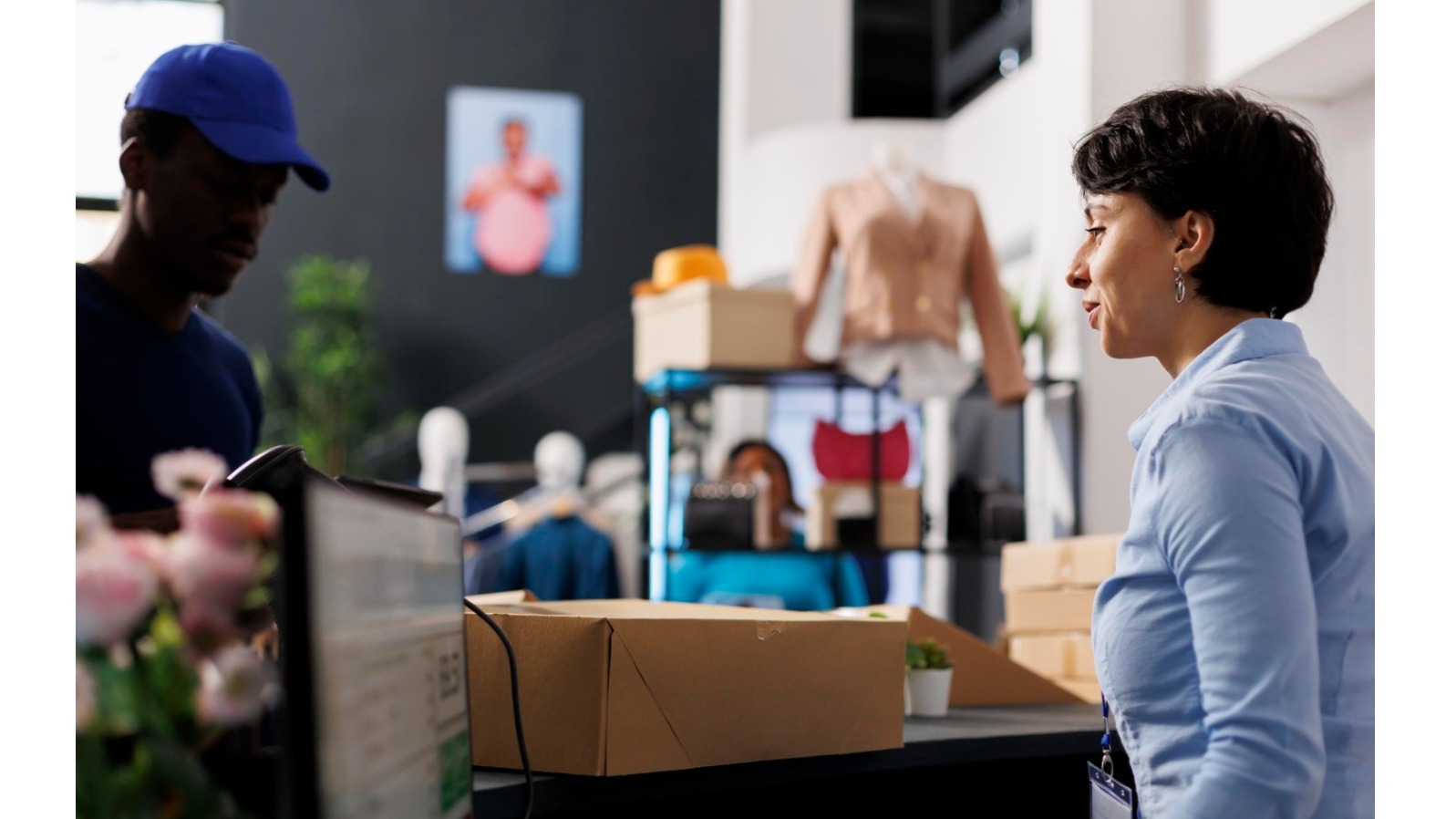
Buy Online, Ship to Store (BOSS)
📖
Definition
This guide explains how to implement Buy Online, Ship to Store (BOSS) programs, covering required systems, workflows, store readiness, and best practices to scale safely and efficiently.
📋
Overview
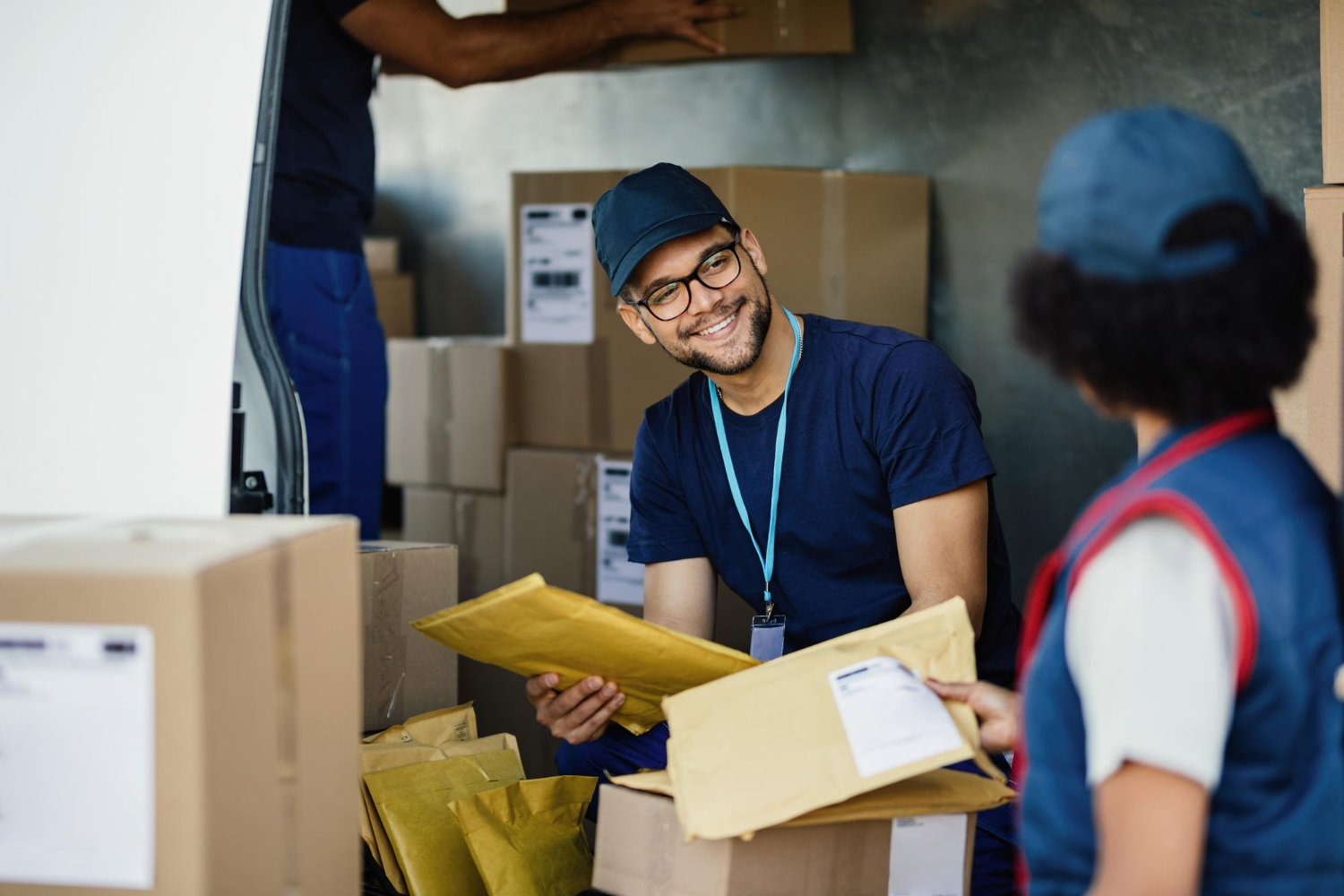
Implementing Buy Online, Ship to Store (BOSS): Systems, Processes and Best Practices
Implementing a robust Buy Online, Ship to Store (BOSS) program requires intentional planning across technology, operations and store teams. BOSS combines e-commerce ordering, warehouse or DC fulfillment, transportation to stores, and in-store pickup, so integration and clear processes are essential to maintain customer satisfaction and control costs.
Core technology components
- Order Management System (OMS): The OMS orchestrates order routing, inventory allocation and fulfillment selection. It should evaluate inventory at DCs and stores and apply business rules for cost, speed or in-store capacity.
- Warehouse Management System (WMS): WMS supports picking, packing and shipping at DCs. For BOSS-specific flows, the WMS should handle store-directed orders and print store-specific labels and documentation.
- Point-of-Sale (POS) and Store Systems: Store systems must receive inbound shipment notifications, track received consignments, and mark orders as ready for pickup. Mobile or desktop interfaces should give store associates clear task lists.
- Transportation Management System (TMS): A TMS or carrier integration helps optimize routes, combine store shipments, select carriers and manage costs for store deliveries.
- Inventory Visibility Layer: Real-time visibility or frequent synchronization between OMS, WMS and POS reduces the risk of selling unavailable stock.
Operational design and workflows
- Define fulfillment logic: Set rules for when to fulfill from DC vs from other stores. Rules can prioritize speed (ship from nearest node), cost (ship from central DC) or store workload balancing.
- Configure store receiving: Establish a receiving area, barcode scanning for inbound parcels, and staging protocols so items are accessible when customers arrive.
- Staff workflows and training: Create role-based tasks for receiving clerks, customer service associates and managers. Train staff on identification checks, returns processing and exception handling.
- Labeling and packaging: Use clear store-specific labels and consolidated packaging where possible. Include pickup instructions and return information to make the customer experience seamless.
- Communication templates: Automate confirmations, shipment notifications, arrival alerts and pickup reminders via email, SMS and mobile apps. Include pickup windows and required ID documentation to reduce failed pickups.
- Exception handling: Define processes for damaged shipments, lost parcels, missed SLA windows and customer no-shows. Decide hold periods and automatic cancellations after a set time.
Store readiness and capacity planning
Not every store is equally suited to act as a BOSS pickup point. Assess store footprint, backroom capacity, staffing levels and technology connectivity. Consider setting limits on inbound BOSS volume per store or time-of-day routing rules that direct shipments to larger fulfillment stores. During peak seasons, introduce temporary storage racks, dedicated staff shifts, or micro-fulfillment hubs to avoid service degradation.
Integration and testing
- End-to-end testing: Simulate orders from placement through DC pick-pack, shipment, store receiving and customer pickup. Test failure modes such as misplaced inventory or delayed shipments.
- Data reconciliation: Ensure inventory transactions flow back to central systems in real time or at frequent intervals to avoid overselling.
- Carrier and routing tests: Validate carrier SLA performance and ensure tracking updates and delivery confirmations propagate to the OMS and customer communications.
KPIs and success metrics
- Order-to-pick time: Time from purchase to when the order leaves the DC or is staged at the store.
- Store arrival-to-pickup time: Time between store receipt and customer pickup readiness.
- Pickup completion rate: Percent of orders collected by customers without escalation.
- Cost per order: Total BOSS cost including DC labor, shipping to store and store handling divided by orders.
- Customer satisfaction: NPS, CSAT or direct feedback related to pickup experience.
Real-world example
A regional retailer launched a BOSS pilot to reduce home-delivery costs and improve conversion. They routed low-demand, bulky items from a central DC to a selected set of 30 stores with ample backroom space. They integrated OMS and WMS, trained dedicated receiving staff and provided SMS pickup codes. Within three months, pickup completion rate exceeded 92% and the retailer reduced last-mile costs on those SKUs by 28%.
Best practices summary
- Start with a limited pilot set of stores and SKUs before scaling.
- Automate inventory visibility and use conservative stock counts to limit oversells.
- Design clear store processes and train staff on exceptions and fraud prevention.
- Optimize routing and carrier selection to balance speed and cost.
- Monitor KPIs and adapt rules to seasonal demand.
With the right systems and disciplined operations, Buy Online, Ship to Store (BOSS) can be a cost-effective component of an omnichannel strategy, improving service levels while leveraging existing store footprints for fulfillment and customer-facing convenience.
More from this term
Looking For A 3PL?
Compare warehouses on Racklify and find the right logistics partner for your business.
Processing Request