
D2C Logistics Revolution: How Brands Are Taking Control of Delivery
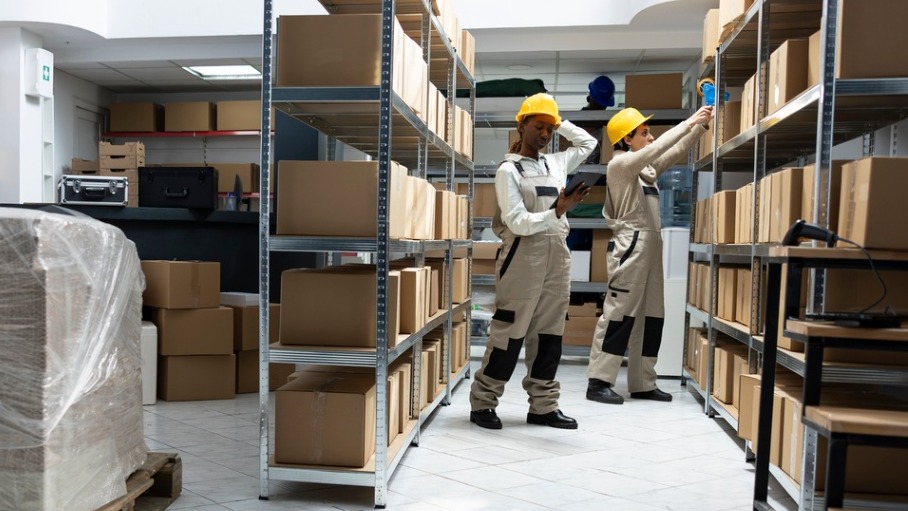
Definition
D2C logistics refers to the systems and processes brands use to move products directly from manufacturer to consumer, bypassing traditional retail channels. It emphasizes control over fulfillment, delivery experience, and customer data.
Overview
What is D2C logistics?
D2C logistics (direct-to-consumer logistics) is the set of operations, technology, partners, and processes a brand uses to get products from its inventory into the hands of end customers. Unlike traditional retail models that route goods through distributors and brick-and-mortar stores, D2C logistics focuses on direct fulfillment, returns handling, last-mile delivery, and customer experience under the brand’s control.
Why brands are adopting D2C logistics
Brands pursue D2C logistics to own the customer relationship, capture richer first-party data, improve margins, and craft a consistent end-to-end experience. When a brand manages delivery, it controls packaging, speed, communication, and returns—all touchpoints that shape customer satisfaction and loyalty. For example, digitally native brands like Warby Parker and Glossier built tight logistics operations (including partnerships with select 3PLs and proprietary fulfillment strategies) to ensure their brand promise extends to delivery and unboxing.
Core components of D2C logistics
- Inventory strategy: centralized warehouses, distributed micro-fulfillment, or a hybrid. Brands choose locations based on demand, shipping cost, and delivery speed targets.
- Order fulfillment: picking, packing, and staging processes tailored to direct orders—often optimized for single-item or small-basket shipments rather than palletized retail orders.
- Last-mile delivery: carrier partnerships, in-house fleets, lockers, curbside pickup, or carrier-agnostic delivery experiences. The last mile often represents the highest share of shipping cost and is critical for customer satisfaction.
- Returns management (reverse logistics): a smooth, transparent returns flow reduces friction and protects margins. This includes prepaid return labels, localized return drop-off, and rapid processing for restocking or refurbishment.
- Technology stack: WMS (warehouse management system), order management system (OMS), TMS (transportation management system), and e-commerce integrations that provide real-time visibility and automation.
- Customer experience elements: branded packaging, tracking notifications, delivery windows, and easy return portals.
Benefits for beginners to understand
For newcomers, the advantages of D2C logistics are straightforward: better margins by cutting intermediaries, richer customer data to inform marketing and product decisions, faster feedback loops, and the ability to differentiate through delivery (e.g., sustainable packaging, premium unboxing, or fast local delivery).
Common models and real-world examples
Many successful D2C brands combine in-house capabilities with third-party partners. Examples include:
- Warby Parker: Integrated retail and online fulfillment with a strong returns policy and focused customer experience, leveraging regional fulfillment to speed delivery.
- Glossier: Known for tight control over branding and packaging while partnering with specialized 3PLs to scale order fulfillment during peak demand.
- Nike: While a large legacy brand, Nike’s push into D2C includes owned e-commerce, proprietary distribution centers, and localized fulfillment to serve direct customers more efficiently.
Key performance indicators (KPIs) to track
- Order cycle time (order to delivery)
- On-time delivery rate
- Cost per order / shipping cost per order
- Return rate and cost of returns
- Inventory turnover and stockouts
- Customer satisfaction / NPS related to delivery
Implementation best practices
- Start with clear service levels: Define what delivery promises mean for your brand—same-day, two-day, or economy—and design operations to support those promises.
- Choose the right fulfillment footprint: Use data to decide whether a central DC, regional centers, or store-as-fulfillment (ship-from-store) approach best balances cost and speed.
- Leverage the right partners: 3PLs, specialized last-mile carriers, and technology vendors can accelerate scale. Maintain strong SLAs and visibility into partner performance.
- Invest in technology: An integrated OMS + WMS + TMS stack reduces manual errors, improves inventory accuracy, and enables smarter carrier routing.
- Treat returns as a strategic channel: Simplify returns for customers but monitor costs and refurbish or resell returned goods when possible to protect margins.
- Pilot and iterate: Test delivery options (locker pickup, local couriers, scheduled windows) in select markets before broader rollout.
Common pitfalls and mistakes
- Underestimating last-mile costs: Many brands focus on warehouse efficiency but are surprised by high last-mile expenses, especially for low-density or widely dispersed customer bases.
- Poor visibility across partners: Without integrated systems, brands lose real-time tracking and struggle to resolve delivery issues quickly.
- Neglecting reverse logistics: Complicated returns frustrate customers and increase operational costs if not optimized.
- Overpromising delivery windows: Failing to meet advertised speeds damages trust; conservative, reliable promises are better than optimistic but missed targets.
D2C logistics vs. traditional retail logistics
D2C logistics focuses on individual orders, speed, branding, and direct customer touchpoints. Traditional retail logistics emphasizes bulk shipments, retailer compliance, and pallet-level efficiency. D2C requires more parcel-focused processes, flexible packaging, and customer-facing communications.
Trends shaping the future
Expect continued experimentation: micro-fulfillment centers inside urban areas, expanded use of data for dynamic routing, more sustainable delivery options (consolidation, electric vehicles), buy-online-pickup-in-store (BOPIS) integrations, and greater automation in fulfillment. Brands that combine strong digital experiences with smart logistics will sustain competitive advantages.
Final practical tips for beginners
Start small, measure everything, and design logistics to reflect the brand promise. Work with partners to scale but keep strategic control over customer-facing elements like packaging, tracking, and returns. A successful D2C logistics program balances cost, speed, and experience to turn delivery into a competitive differentiator rather than a cost center.
Sources And Additional Reading (3)
- Ecommerce Fulfillment
“Ecommerce Fulfillment.” Shopify, https://www.shopify.com/blog/ecommerce-fulfillment.
- Last Mile Delivery
“Last Mile Delivery.” DHL, https://www.dhl.com/discover/en-us/e-commerce-advice/e-commerce-best-practice/last-mile-delivery.
- Transportation Logistics
“Transportation Logistics.” Ryder, https://www.ryder.com/en-us/logistics/transportation-logistics.
🔗
Related Terms
6150 EUR Customs Cliff
The "150 EUR Customs Cliff" refers to the import-value threshold—commonly applied in the EU—above which goods become lia...2D Imager Scanner
A camera-based scanner that captures both 1D and 2D barcodes (such as QR and Data Matrix) from various angles and surfac...36 x 36 pallet
A smaller square pallet used for compact loads, store displays, small shipments, or specialty products.360 Product View
An interactive or image-based view that lets shoppers see a product from all sides.3D Model
A digital three-dimensional representation of a product or component.More from this term
Looking for a 3PL?
Compare warehouses on Racklify and find the right logistics partner for your business.