
What is Distribution? A Beginner's Guide
Definition
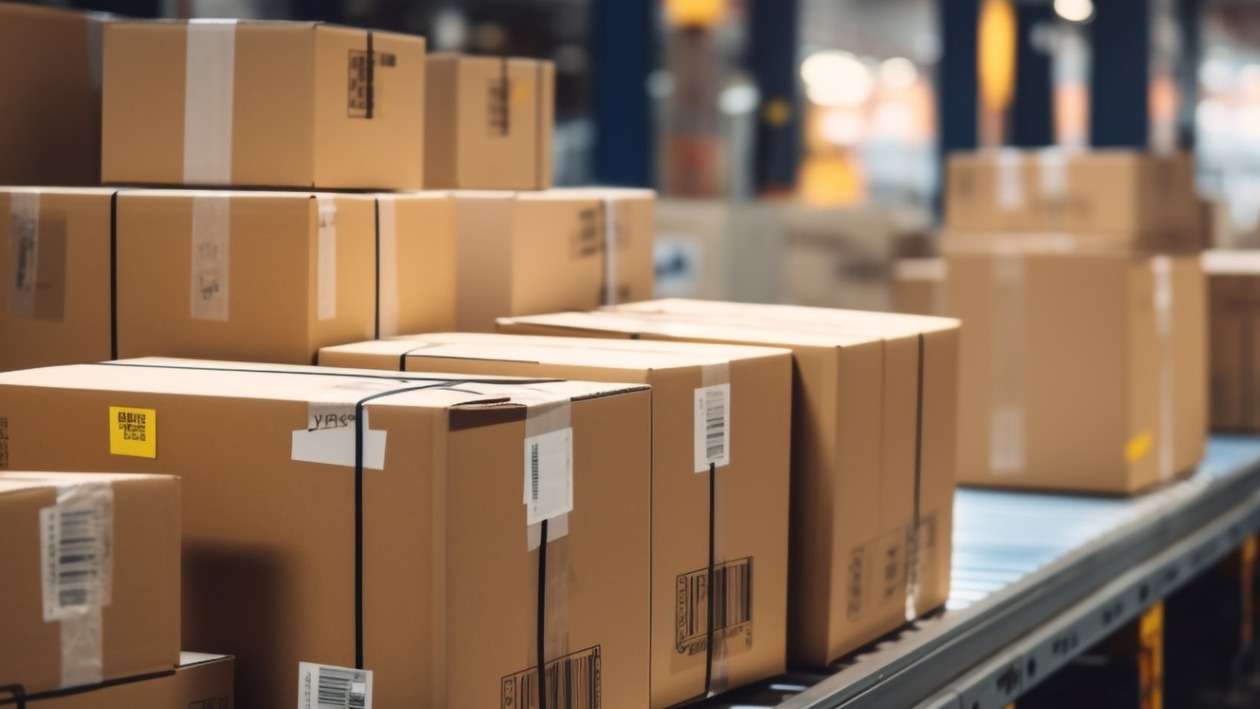
Distribution is the process of moving goods from producers to end users, covering storage, handling, transport, and delivery. It ensures products are available at the right place, time, and condition.
Overview
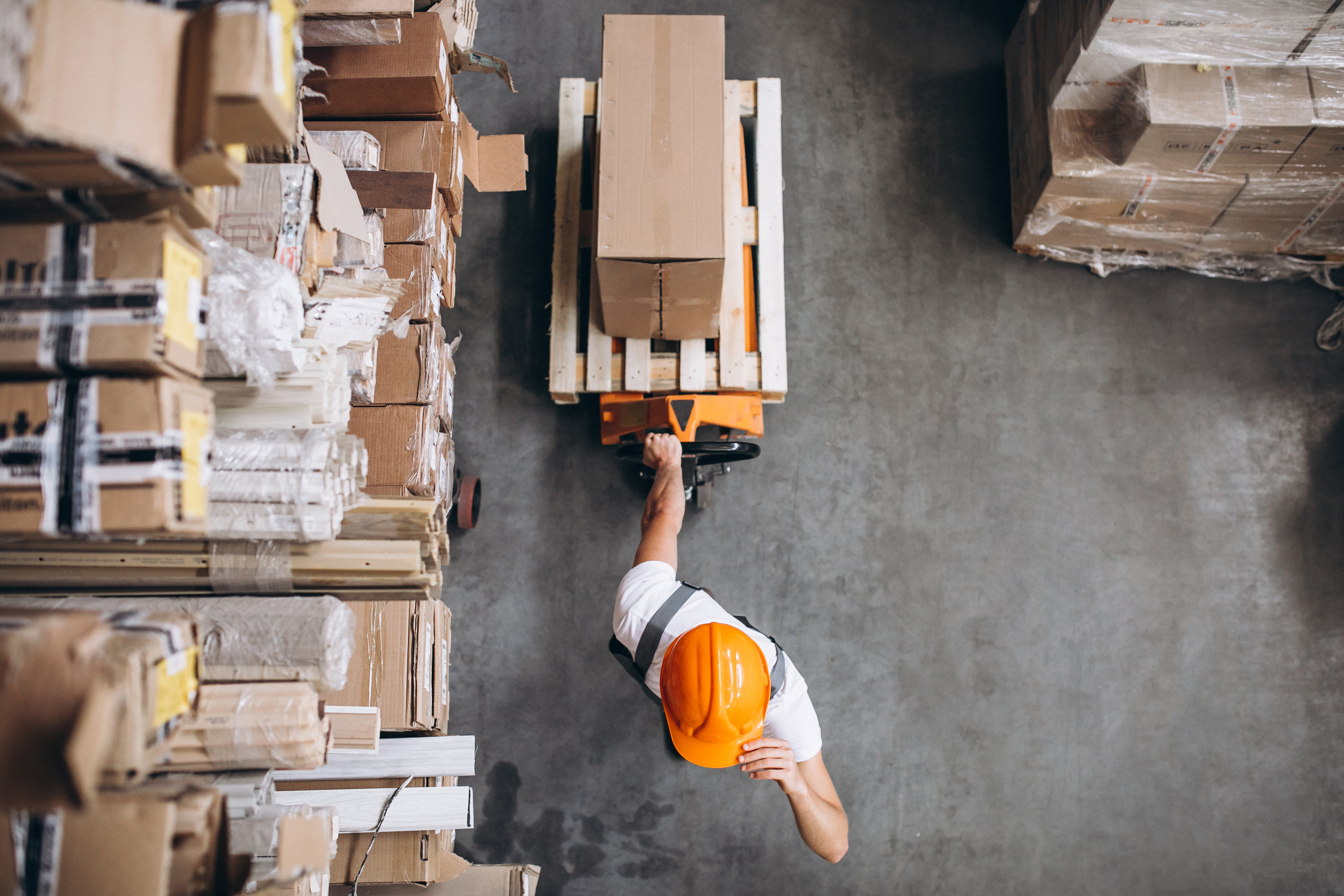
Distribution is the set of activities that get products from manufacturers or suppliers into the hands of customers. For beginners, think of distribution as the bridge between making something and selling or using it. It covers everything from where items are stored, how they are moved, who handles them, and how they reach the final buyer.
At its simplest, distribution includes these core steps:
- Storage: Goods are kept in warehouses, distribution centers, or retail backrooms until they are needed.
- Order fulfillment: Picking, packing, and preparing products for shipment to retailers or consumers.
- Transportation: Moving goods by road, rail, air, or sea to their next destination.
- Delivery: Final mile services that get products into customers' hands or onto store shelves.
These activities are coordinated to meet customer expectations for speed, cost, and reliability. For example, a toy manufacturer ships bulk pallets to a distribution center near major cities. That center stores stock, receives retailer and online orders, and sends smaller shipments to each store or customer. The manufacturer relies on distribution processes so stores have toys on opening day and online shoppers receive orders on time.
Distribution is closely linked to logistics, but the terms are sometimes used differently. Logistics refers to the broader planning and management of the flow of goods, information, and resources. Distribution is a major part of logistics focused specifically on moving finished goods to the market.
Why distribution matters:
- Customer satisfaction: Timely delivery and product availability directly affect how customers view a brand.
- Cost control: Efficient distribution cuts transportation and storage costs, improving margins.
- Competitive advantage: Faster or more reliable distribution can set a company apart from competitors.
Common distribution models include:
- Direct distribution: Manufacturer sells straight to customers (e.g., brand websites or direct sales teams).
- Indirect distribution: Products move through intermediaries such as wholesalers, distributors, and retailers.
- Mixed or omnichannel distribution: Combines multiple channels (retail, e-commerce, wholesale) so customers can buy where and how they prefer.
Key performance indicators (KPIs) businesses watch in distribution include on-time delivery rate, order accuracy, inventory turnover, and distribution cost per unit. These measures help firms evaluate whether their distribution network meets goals for service and efficiency.
Starter tips for beginners interested in distribution:
- Learn the basics: Understand terms like warehousing, fulfillment, last mile, and cross-docking.
- Map the flow: Sketch how a product moves from production to the end user to spot inefficiencies.
- Prioritize visibility: Use simple inventory tools or basic warehouse management systems to track stock and shipments.
- Start small on complexity: If you’re a small seller, test direct shipping before adding distributors or multiple warehouses.
Common beginner mistakes include overstocking to avoid stockouts (which ties up cash), underestimating last-mile costs (often the most expensive part of delivery), and ignoring packaging needs (leading to damage and returns). Real examples include startups that sold well but couldn’t scale because fulfillment delays and shipping errors frustrated customers.
In short, distribution is the practical pathway that brings products to people. Mastering it means balancing speed, cost, and reliability—skills that grow with experience, better systems, and attention to customer needs. For anyone starting in supply chain or running a small business, learning distribution basics is one of the most impactful steps you can take to deliver value consistently.
🔗
Related Terms
6150 EUR Customs Cliff
The "150 EUR Customs Cliff" refers to the import-value threshold—commonly applied in the EU—above which goods become lia...2D Imager Scanner
A camera-based scanner that captures both 1D and 2D barcodes (such as QR and Data Matrix) from various angles and surfac...36 x 36 pallet
A smaller square pallet used for compact loads, store displays, small shipments, or specialty products.3PL
Third-Party Logistics: an external provider that manages outsourced logistics services such as warehousing, order fulfil...3PL Brokerage
A 3PL brokerage is a third-party logistics service that matches shippers with carriers to arrange freight transportation...More from this term
Looking for a 3PL?
Compare warehouses on Racklify and find the right logistics partner for your business.