
Polybagging Requirements: The Essential Guide for Modern Logistics
Definition
Polybagging requirements are the standards and best practices that define how products should be sealed in plastic bags for protection, handling, labeling, and compliance during storage and transit.
Overview
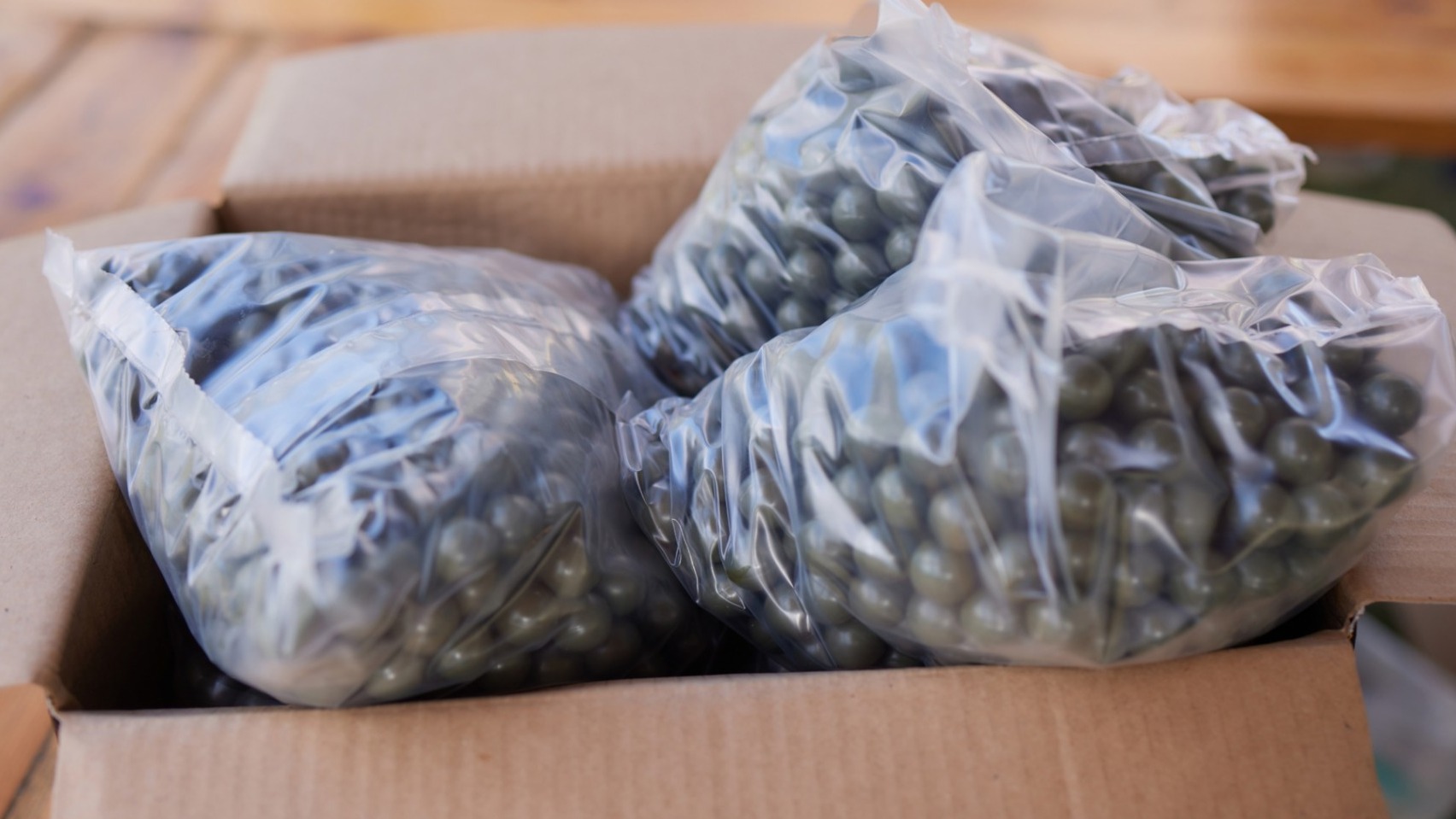
Polybagging is a fundamental packaging step in modern logistics: placing items into plastic bags to protect them from dust, moisture, tampering, and damage during storage and transport. For beginners, polybagging requirements are a set of clear rules—covering bag type, size, thickness, sealing method, labeling, and testing—that ensure goods arrive intact, meet retailer and regulatory standards, and flow smoothly through warehouse processes and last-mile delivery.
Why polybagging matters
Polybags are inexpensive, lightweight, and effective at preserving product appearance and function. Proper polybagging reduces returns, speeds up receiving and fulfillment, protects items from contamination, and helps warehouses comply with retailer rules (for example, marketplace-specific requirements like Amazon FBA). Incorrect or inconsistent polybagging creates delays, damage claims, and extra labor for repackaging.
Core components of polybagging requirements
- Bag material and type: Common materials are low-density polyethylene (LDPE) and high-density polyethylene (HDPE). Specialized options include anti-static bags for electronics, vented polybags for apparel (to prevent condensation), odor-blocking bags for fragranced goods, and breathable mesh for damp or fresh items. Choose material based on product sensitivity to static, moisture, and odors.
- Thickness (gauge/mils): Thickness affects puncture resistance and seal integrity. Typical ranges are 1–4 mils for lightweight apparel or documents, and 4–6+ mils for heavier or sharp-edged items. Many retailers specify a minimum thickness; always follow customer or carrier guidance.
- Bag size and fit: Select a bag that fits the item without excessive extra space. A close fit minimizes movement, reduces the need for filler, and makes barcode scanning easier. Provide extra room only when required for inserts like hangers or instruction leaflets.
- Sealing method: Common seals include adhesive strips, heat-seals, zip-locks, and tape closures. Heat seals are tamper-evident and durable, while zip-locks allow returns-friendly reclosure. Ensure the chosen method is compatible with automation if using a polybagging machine.
- Labeling and visibility: Polybags must allow barcode visibility or have a clear external label area. Include SKU or UPC barcodes, packing slips (if required), and any regulatory warnings such as suffocation notices. If the retail partner requires a specific orientation or placement of labels, follow that precisely.
- Regulatory and safety markings: Many countries require suffocation warnings on bags above a certain size and recyclability or material codes in some markets. For transported textiles or used goods, include care labels and country-of-origin marks as required by law or contract.
- Environmental considerations: Sustainability is increasingly important. Some retailers and shippers require recycled-content bags or certified compostable alternatives. Balance sustainability goals with functionality—biodegradable bags may behave differently in heat-sealing or static-sensitive environments.
Implementation steps for beginners
- Understand customer rules: Start by collecting packaging guidelines from your customers, marketplaces, and carriers. Many marketplaces publish polybag and packaging policies; include these in your packaging spec documents.
- Create a standard polybag spec: Document required bag type, thickness, size options, sealing method, labeling placement, and any special handling notes. Share the spec with suppliers and warehouses.
- Source samples and test: Obtain bag samples and run simple tests: drop tests, puncture tests, seal integrity, and barcode readability through the bag. Test shrinkage or seal issues with temperature variations you expect in transit.
- Train staff and suppliers: Provide visual guides and quick-reference cards for packers and third-party logistics (3PL) partners. Include photos of correctly packed SKUs, label placement, and rejection criteria.
- Introduce QC checks: Add a final visual and barcode-scan checkpoint before outbound shipment. Use sampling plans for incoming items from suppliers to ensure ongoing compliance.
- Automate where appropriate: For high volumes, consider polybagging machines that size, bag, and seal at rates beyond manual capacity. Ensure machine settings match your polybag spec to avoid weak seals.
Best practices
- Keep a master packaging spec for each SKU and version-control it. Use photos and sample codes so packers have a clear reference.
- Prefer clear polybags for easy inspection and barcode scanning unless opacity is required for privacy or branding.
- Place scannable barcodes on the outside of the bag in a consistent location. If a barcode is inside, ensure the bag transparency allows reliable reads and that the barcode doesn’t shift during handling.
- Use tamper-evident seals where returns or theft risk is high; consider resealable options when return volume is significant.
- Label bags with suffocation warnings and any other regulatory information needed for the destination market.
- Consider anti-static bags and conductive cushioning for electronics; regular polybags can generate static that damages components.
Common mistakes to avoid
- Wrong bag size: Oversized bags allow movement and product damage; undersized bags cause stress on seals and product crush.
- Insufficient thickness: Thin bags puncture or tear on conveyors and with sharp packaging edges. Match thickness to product risk.
- Poor labeling placement: Hiding or obscuring barcodes and packing slips slows receiving and increases touch labor.
- Ignoring special product needs: Failing to use vented bags for bulky textiles or anti-static bags for electronics causes returns and product failures.
- Assuming all polybags are recyclable: Mixed materials (like a bag with an adhesive liner) can contaminate recycling streams—use clear, single-polymer bags when recyclability is required.
Real-world examples
Apparel sellers often use clear, resealable polybags (1–2 mil) with a visible UPC on the outside and a suffocation warning. Electronics suppliers ship circuit boards in anti-static bags with 4–6 mil protective outer bags and heat-sealed closures. A home-goods supplier might use thicker (4+ mil) gusseted bags for pillows, with venting or breathable material to avoid trapped moisture during transport.
Testing and continuous improvement
Implement periodic drop and seal tests, and track damage or return reasons linked to packaging. Use this data to adjust bag thickness, sealing methods, and handling instructions. Maintain a feedback loop between customer service, warehouse ops, and procurement so packaging improvements are informed by actual incidents.
Polybagging is simple in concept but requires clear rules and consistent execution to protect products and maintain efficient logistics. Create a concise polybagging specification for each product family, test materials before scaling, train all partners, and monitor performance. These steps will reduce damage, speed fulfillment, and keep your operations aligned with retailer and regulatory expectations.
Sources And Additional Reading (3)
- Warehousing Hazards and Solutions
“Warehousing Hazards and Solutions.” OSHA, https://www.osha.gov/warehousing/hazards-solutions.
- Supply Chain Insights
“Supply Chain Insights.” Ryder, https://www.ryder.com/en-us/insights.
- EDI Resources
“EDI Resources.” TrueCommerce, https://www.truecommerce.com/resources/.
🔗
Related Terms
6150 EUR Customs Cliff
The "150 EUR Customs Cliff" refers to the import-value threshold—commonly applied in the EU—above which goods become lia...2D Imager Scanner
A camera-based scanner that captures both 1D and 2D barcodes (such as QR and Data Matrix) from various angles and surfac...36 x 36 pallet
A smaller square pallet used for compact loads, store displays, small shipments, or specialty products.360 Product View
An interactive or image-based view that lets shoppers see a product from all sides.3D Model
A digital three-dimensional representation of a product or component.More from this term
Looking for a 3PL?
Compare warehouses on Racklify and find the right logistics partner for your business.