
Structural Composition & Materials
Definition
Rigid box packaging is a premium, non-collapsible carton constructed from thick paperboard with a decorative outer wrap, used to protect and present high-value goods. It combines a dense greyboard core with a thin liner and precision joinery for structural strength and refined appearance.
Overview
Overview
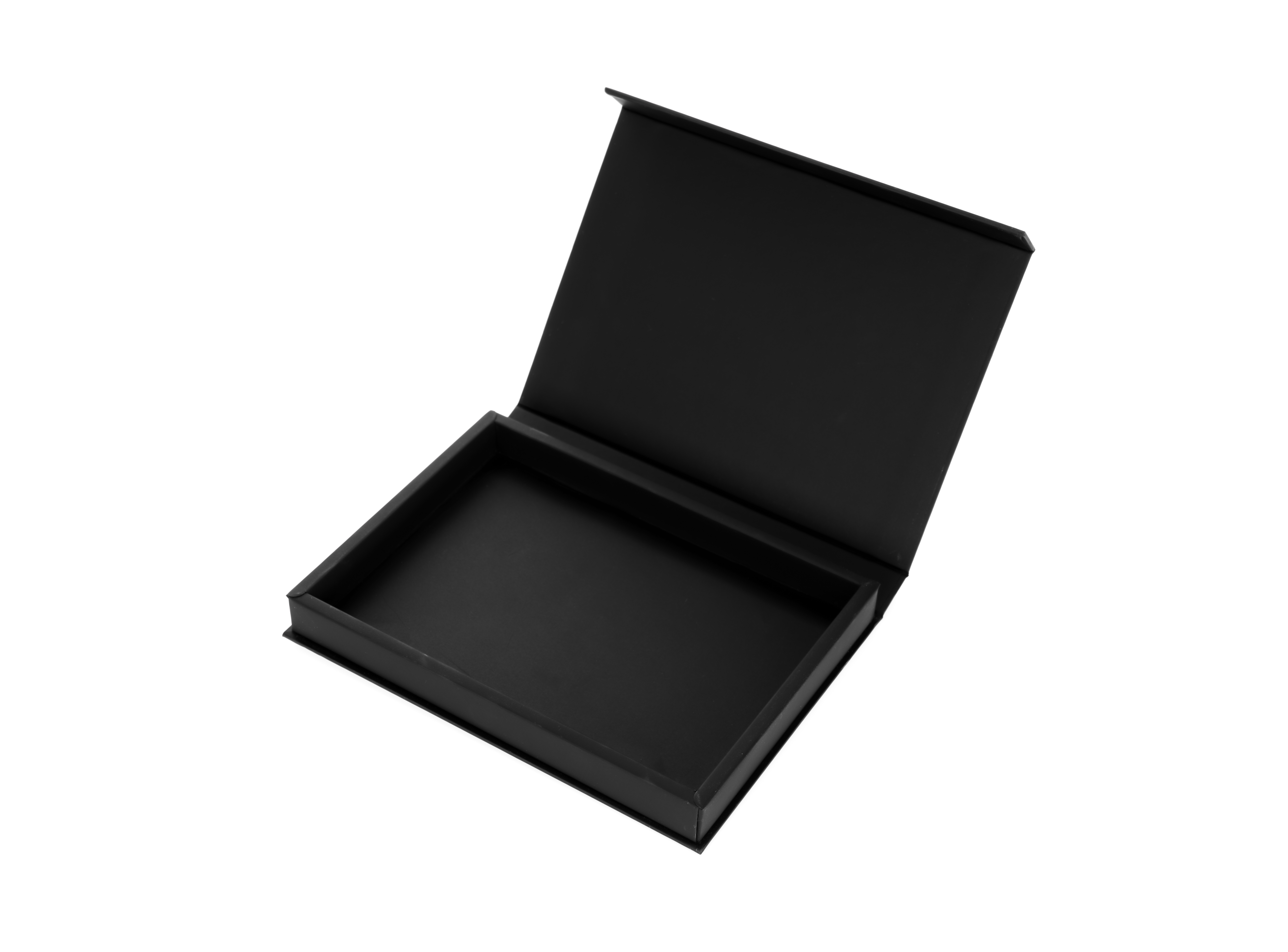
Rigid box packaging is a class of premium cartons distinguished by their thick, stiff walls and upscale finishing. Unlike folding cartons that collapse flat, rigid boxes retain their shape because they are built from heavy-duty paperboard and assembled into a permanent, load-bearing form. They are commonly used for consumer electronics, luxury goods, cosmetics, and gifts where presentation, protection, and unboxing experience matter.
Core components and materials
Rigid boxes have three primary material layers that determine appearance, durability, and cost:
- Greyboard core: This is the structural heart of the box. Greyboard used in rigid boxes typically ranges from about 1,200 to 2,400 GSM (grams per square meter), which is roughly 3x to 5x thicker than standard folding-carton board. The high GSM provides rigidity and crush resistance during storage and transit.
- Wrap (liner): A thinner decorative paper or fabric, usually 120–180 GSM, is glued over the greyboard to provide the final look and tactile feel. Common wrap materials include coated art papers, soft-touch laminates, textured papers, vegan leathers, and specialty sheets such as those designed to create a distinct opening sound.
- Adhesives and interlayers: High-bond adhesives secure the wrap to the greyboard and any internal linings or foams. Additional internal cushions—such as die-cut foam, molded pulp, or paperboard inserts—are added to protect the product.
Key manufacturing features
Several production techniques make rigid boxes distinct:
- Precision cutting and creasing: Boards are cut and creased to tight tolerances. Because the board is thick, processes must account for rebound and fiber compression.
- V-slotting: V-slotting is a precision machining technique where small V-shaped grooves are cut into the greyboard at fold lines. These grooves allow near-perfect 90-degree corners and sharp edges, producing a modern, architectural look favored by premium tech brands and luxury goods manufacturers.
- Wrapping: The decorative outer sheet is glued to the outside of the greyboard and neatly mitered at the corners or edges to create a seamless finish. Specialized laminates or coverings—soft-touch, vegan leather, or textured papers—are applied as part of the wrap process.
- Finishing and closures: Options include magnetic closures, ribbon pulls, ribbon or leather hinges, debossing/embossing, foil stamping, spot UV, and die-cut windows. These features enhance unboxing experience and branding.
Sustainability and trends (2026 outlook)
By 2026 there is a notable industry shift toward circular economy principles. One widely adopted measure is the move to 100% post-consumer waste (PCW) greyboard for rigid box cores. Using PCW greyboard reduces virgin fiber use, supports recyclability, and helps brands meet regulatory or corporate sustainability mandates. Brands also balance premium finishes with recyclability by selecting mono-material wraps or biodegradable adhesives and by avoiding mixed-material laminates that hinder sorting and recycling.
Design considerations for function and presentation
Designing a rigid box requires balancing structural performance with visual appeal. Important considerations include:
- Thickness and weight: Higher GSM greyboard increases rigidity but also adds weight and cost. Designers choose a GSM based on product fragility, dimensions, and shipping profile.
- Internal protection: Use die-cut foam, paperboard cradles, or molded pulp inserts shaped to hold the product securely and minimize movement during transit.
- Finish selection: Finishes such as soft-touch laminates create a premium feel, while vegan leather conveys luxury without animal products. 'Acoustic Crisp' style papers are engineered to produce a specific sound during unboxing, enhancing perceived quality.
- Tolerance for shipping stress: Rigid boxes are sturdy but can still be damaged by concentrated impacts. Consider edge protectors or secondary packaging for long-haul freight.
Benefits
Rigid box packaging offers several advantages:
- Superior protection due to thicker board and robust construction.
- Premium unboxing experience and high perceived value, aiding brand positioning and marketing.
- Durability for reuse and gifting, which supports sustainability narratives.
- Flexibility for a wide range of finishes and closures to support brand identity.
Limitations and cost drivers
While desirable for many brands, rigid boxes carry trade-offs:
- Higher cost: Material (high GSM greyboard), labor-intensive wrapping, and finishing processes increase unit cost versus folding cartons.
- Storage and transport volume: Because they do not collapse, rigid boxes require more warehouse cubic space and are heavier, increasing freight costs.
- Recycling complexity: Multi-material wraps, metallic foils, or plastic windows may complicate recycling unless designed with end-of-life sorting in mind.
Best practices
To maximize performance and sustainability, follow these guidelines:
- Specify material by function: Match greyboard GSM to product fragility and shipping conditions rather than choosing the thickest board by default.
- Design for circularity: Prioritize mono-material wraps, avoid mixed laminates, and choose adhesives compatible with recycling streams. If using specialty finishes, provide clear consumer guidance on disposal.
- Use V-slotting judiciously: Apply V-slotting where crisp corners enhance brand perception; ensure tooling and tolerances are specified precisely to prevent misalignment in assembly.
- Prototype early: Make physical prototypes for fit-testing, stacking tests, and unboxing trials to validate both protection and experience.
- Plan for logistics: Account for the non-collapsible nature of rigid boxes in warehouse layout, palletization strategies, and transportation planning to avoid unexpected cost increases.
Common mistakes
Brands new to rigid packaging often encounter predictable pitfalls:
- Over-specifying board GSM without testing, leading to unnecessary cost and heavier freight.
- Using mixed-material finishes that hinder recyclability and contradict sustainability claims.
- Underestimating the precision needed for V-slotting and mitered wraps, resulting in poor corner quality or gaps.
- Skipping prototypes and relying solely on dielines, which can reveal fit and assembly problems too late.
Applications and examples
Typical uses include premium electronics (phones, wearables), cosmetics and fragrance, high-end apparel accessories, collectible items, and subscription gift boxes. For example, a luxury headphone brand might specify a 2,000 GSM PCW greyboard with a vegan leather wrap, V-slot corners, and a magnetic closure to create a protective, reusable presentation container with a premium unboxing ritual.
Summary
Rigid box packaging delivers a combination of structural strength and premium presentation through a high-GSM greyboard core, a decorative wrap, and precision joinery techniques such as V-slotting. In 2026, sustainability considerations—especially the adoption of 100% PCW greyboard and recyclable wraps—are key trends shaping material choices. When designed and specified carefully, rigid boxes elevate brand value while protecting products; when mis-specified, they can add unnecessary cost and complicate logistics.
🔗
Related Terms
6150 EUR Customs Cliff
The "150 EUR Customs Cliff" refers to the import-value threshold—commonly applied in the EU—above which goods become lia...2D Imager Scanner
A camera-based scanner that captures both 1D and 2D barcodes (such as QR and Data Matrix) from various angles and surfac...36 x 36 pallet
A smaller square pallet used for compact loads, store displays, small shipments, or specialty products.3PL
Third-Party Logistics: an external provider that manages outsourced logistics services such as warehousing, order fulfil...3PL Brokerage
A 3PL brokerage is a third-party logistics service that matches shippers with carriers to arrange freight transportation...More from this term
Looking for a 3PL?
Compare warehouses on Racklify and find the right logistics partner for your business.