
Shipping Cost Per Order — What It Is and Why It Matters
Definition
Shipping Cost Per Order is the average expense to deliver a single customer order, encompassing carrier charges, packaging, handling, insurance, and any surcharges. It is computed by dividing total shipping-related expenses by the number of orders over a period and is used to inform pricing, profitability, and fulfillment optimization decisions.
Overview
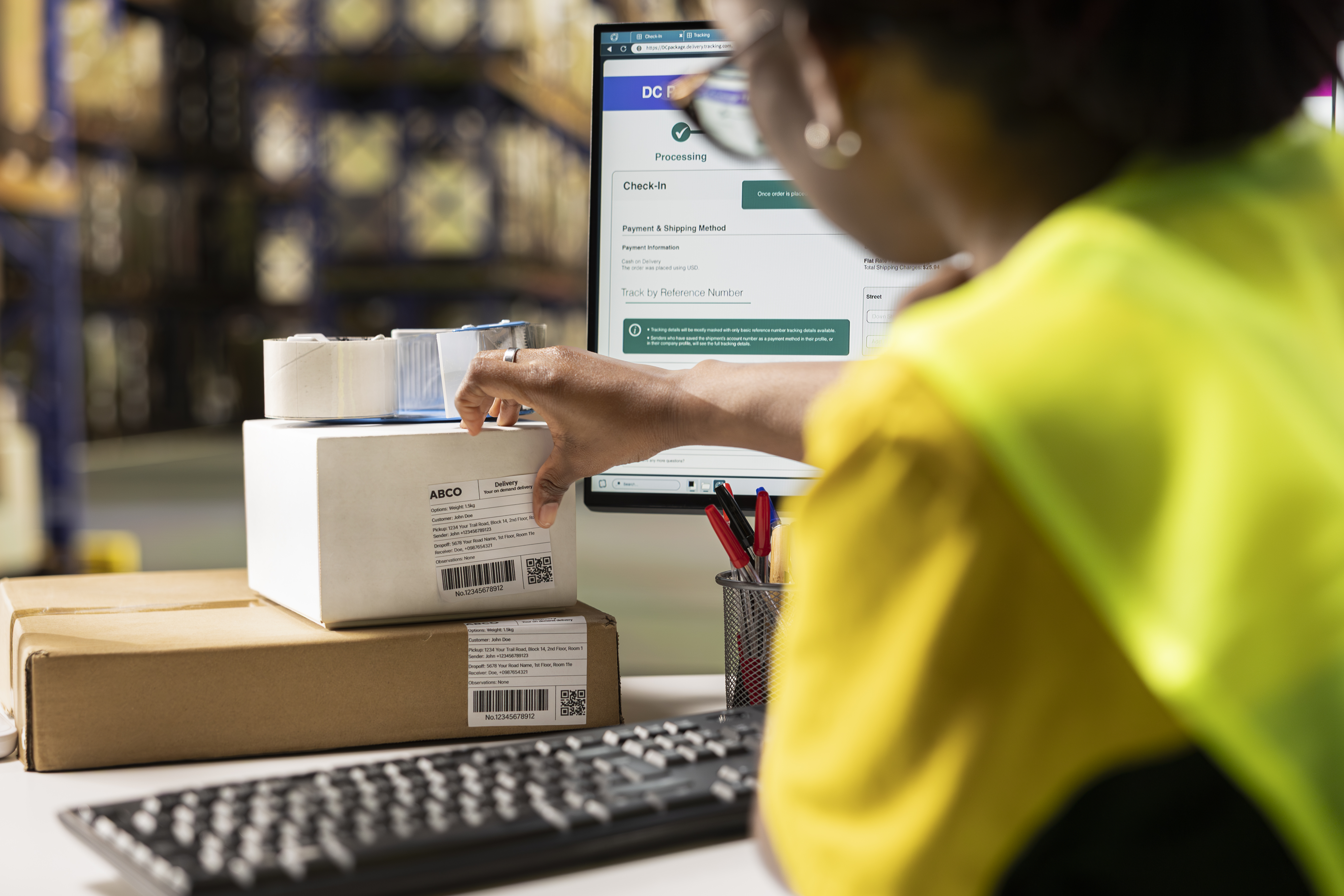
Shipping Cost Per Order is a practical metric that summarizes how much your business spends, on average, to get a single order from your warehouse into a customer's hands. For beginners, it’s helpful to think of it as the full delivery tab for one sale: not just the carrier label, but everything that contributes to moving the product out the door and through the last mile.
The metric matters because it directly affects profit margin, pricing strategy, and customer experience. When you know your Shipping Cost Per Order, you can:
- Set shipping charges and free-shipping thresholds intelligently,
- Price products to maintain target margins after delivery expenses,
- Compare carrier performance and choose cost-effective lanes, and
- Identify operational inefficiencies in packing, handling, and returns.
Key components included in Shipping Cost Per Order typically are:
- Carrier transportation costs: postage, surface, air freight charges, fuel surcharges, and zone or distance-based fees.
- Packaging materials: cartons, void fill, tape, labels, and protective materials.
- Labor and handling: pick, pack, and ship labor costs prorated per order.
- Accessorials and extras: residential delivery fees, signature requirements, liftgate, oversized charges, or special handling.
- Insurance and declared value: if you insure higher-value goods or declare value for carriers.
- Returns processing: reverse logistics costs when factoring overall order economics.
For many companies, Shipping Cost Per Order is expressed as a simple average across a period:
Shipping Cost Per Order = (Total Shipping Expense for Period) ÷ (Total Orders Shipped in Period)
That “Total Shipping Expense” should include the items listed above so the metric reflects the real cost burden. If you only include carrier label fees and ignore packaging and labor, the number will understate the true cost and mislead pricing or profitability decisions.
Here’s a short example to make it concrete. Suppose in a given month your business shipped 1,000 orders and your costs were:
- Carrier fees: $5,000
- Packaging materials: $600
- Pick & pack labor: $1,200
- Returns and other extras: $200
Total Shipping Expense = $7,000. Shipping Cost Per Order = $7,000 ÷ 1,000 = $7.00 per order. That $7 should guide whether you offer free shipping, whether your product pricing absorbs a portion of shipping, or whether you need to reduce costs.
The metric is also useful when segmented. Tracking Shipping Cost Per Order by channel (marketplace vs direct), by geography (domestic vs international), or by product type (small items vs bulk) reveals where costs concentrate and where improvement efforts should focus. For example, heavy or volumetric items often have much higher per-order shipping costs than small, lightweight items, and international orders add customs, duties, and freight forwarder fees.
What should beginners watch out for?
- Inconsistent definitions: Ensure everyone in your team uses the same components when calculating the metric. Excluding labor or returns in one report but including them in another will produce conflicting numbers.
- Dimensional weight surprises: Many carriers charge based on dimensional (DIM) weight rather than actual weight. If your packaging is large relative to the item, carrier label fees may be much higher than expected.
- Accessorials can add up: Residential delivery fees, address corrections, or failed delivery attempts inflate costs quickly if untracked.
Finally, measuring Shipping Cost Per Order over time helps quantify the impact of process improvements (better packaging, negotiated rates) or business changes (higher average order value, more returns). As a beginner-friendly KPI, it’s simple to compute and powerful in guiding operational and pricing decisions. Start by aligning your cost components, calculate the per-order average, and then segment the results to uncover the biggest opportunities for savings and better customer experience.
Sources And Additional Reading (3)
- Returns Resources
“Returns Resources.” Narvar, https://www.narvar.com/blog.
- Warehouse Management System
“Warehouse Management System.” Tecsys, https://www.tecsys.com/solutions/warehouse-management/.
- Warehouse Management Resources
“Warehouse Management Resources.” Manhattan Associates, https://www.manh.com/resources.
🔗
Related Terms
6150 EUR Customs Cliff
The "150 EUR Customs Cliff" refers to the import-value threshold—commonly applied in the EU—above which goods become lia...2D Imager Scanner
A camera-based scanner that captures both 1D and 2D barcodes (such as QR and Data Matrix) from various angles and surfac...36 x 36 pallet
A smaller square pallet used for compact loads, store displays, small shipments, or specialty products.3PL
Third-Party Logistics: an external provider that manages outsourced logistics services such as warehousing, order fulfil...3PL Brokerage
A 3PL brokerage is a third-party logistics service that matches shippers with carriers to arrange freight transportation...More from this term
Looking for a 3PL?
Compare warehouses on Racklify and find the right logistics partner for your business.