
Reducing Costs and Delays in Oversized Fulfillment Management
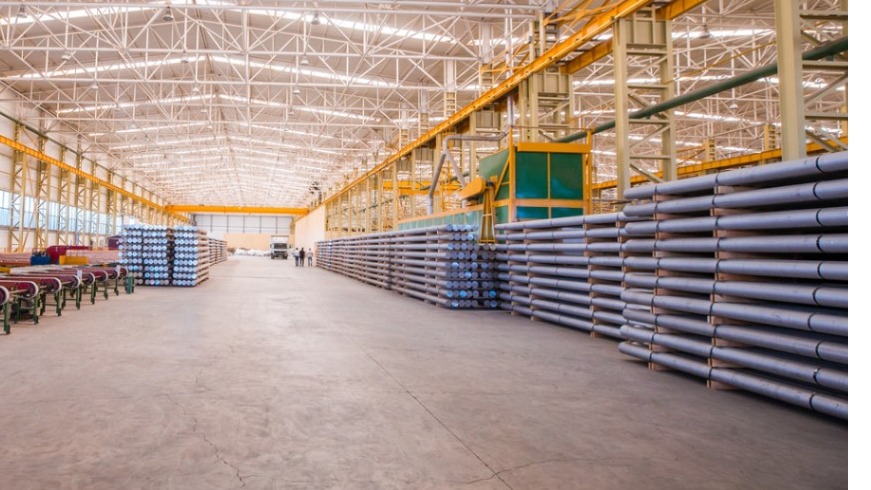
Oversized Fulfillment
Definition
Oversized Fulfillment refers to the warehousing and shipping process for items that exceed standard size or weight limits and therefore require special handling, storage, packaging, or transport arrangements. These orders typically need dedicated equipment, palletization or crating, specialized carriers, and may incur higher costs and longer lead times due to dimensional weight rules and logistics complexity.
Overview
What is Oversized Fulfillment?
Oversized fulfillment covers the end-to-end handling of items that exceed standard parcel dimensions or weights, such as furniture, large appliances, mattresses, industrial equipment, and bulky sporting goods. These shipments need different storage, packaging, equipment, transport modes, and customer-handling options than regular e-commerce orders.
Why costs and delays are common
Oversized items create extra cost and delay risk for several reasons: they take more space in warehouses and trucks, require manual handling or special equipment, frequently need appointment-based deliveries, can trigger freight class or dimensional-weight reclassification, and often require white-glove or installation services. Misalignment between warehouse capabilities, packaging, and carrier services compounds these issues and leads to damage, re-delivery, and claims.
Practical strategies to reduce costs and delays
- Right-size your network and facility capabilities. Place inventory closer to demand clusters to shorten transit times and reduce freight costs. Use fulfillment centers that can store and handle oversized SKUs, including high-ceiling racking, wide aisles, high-capacity forklifts, and staging areas for freight consolidation.
- Segment products by handling needs. Categorize oversized SKUs by weight, fragility, and required delivery service (curbside, liftgate, white-glove). Tailor storage, picking, and packing workflows for each segment to reduce handling steps and errors.
- Optimize packaging and palletization. Use packaging that protects while minimizing volume. Proper palletization, banding, and use of corner protectors decrease damage and handling time. Consider custom crates or reusable packaging for very large, fragile, or return-prone items.
- Invest in appropriate equipment and layout. Provide forklifts, pallet jacks, lift tables, and conveyors sized for your heaviest SKUs. Designate staging zones for loading and cross-docking to speed throughput and reduce dwell time.
- Leverage cross-docking and consolidation. Where possible, move inbound oversized goods quickly through to outbound shipments without long-term storage. Consolidate multiple orders destined for the same area onto a single truck to use space efficiently and lower per-unit freight cost.
- Use mode and carrier optimization. Evaluate FTL vs LTL vs specialized carriers. For long-haul or dense volumes, FTL or dedicated lanes may be cheaper and faster. For low-volume, build partnerships with specialized oversized carriers and negotiate service-level agreements and volume discounts.
- Offer differentiated delivery options. Provide clear choices like curbside, liftgate, or white-glove delivery and price them according to labor and equipment intensity. Allow customers to select delivery windows and appointment scheduling to reduce failed deliveries and re-schedules.
- Improve documentation and compliance. Standardize packing lists, freight class information, and handling instructions. Clear labeling reduces misrouting and claims. For international oversized shipments, ensure proper permits and customs documentation to avoid border delays.
- Use technology for visibility and planning. WMS and TMS systems that support dimensional data, freight planning, and appointment scheduling dramatically reduce mismatches between warehouse tasks and carrier requirements. Load-optimization and route-planning tools help maximize truck cube and reduce cost per shipment.
- Measure the right KPIs and iterate. Track cost per order, cost per pound or cubic foot, on-time delivery, dwell time, damage/claims rate, and appointment no-shows. Use these metrics to find process bottlenecks and prioritize improvements.
Operational examples
Example 1: A furniture retailer reduced delivery failures by switching 40% of orders to appointment-only windows with two-hour slots and requiring curbside confirmation on arrival. This cut re-deliveries by 25% and reduced labor overtime.
Example 2: An industrial supplier consolidated LTL shipments into weekly FTL runs to major urban centers. The move lowered per-unit freight costs and reduced handling steps in intermediate hubs, cutting transit time by an average of two days.
Software and automation
Deploy a Warehouse Management System that supports cubic dimensions and handling profiles, and a Transportation Management System that can simulate load building and rate shopping. Integrate appointment scheduling tools and real-time tracking so warehouses, carriers, and customers share a single view of the shipment. Automation such as powered pallet movers, conveyors, and semi-automated stretch wrappers reduce manual labor and increase throughput for bulky items.
Packing, protection, and sustainability
Oversized items require robust protection. Use a mix of primary protection (padding, foam), secondary packaging (skids, crates), and tertiary packaging (banding, stretch wrap). At the same time, consider sustainable options like reusable crates and recyclable cushioning; these reduce long-term costs if returns are frequent or if you run high-volume replacement programs.
Carrier partnerships and contracts
Negotiate dedicated lanes or guaranteed pickup windows with carriers familiar with oversized freight. Build clear service contracts that include responsibilities for handling, liftgate availability, liability limits, and claim procedures. Consider dedicated carrier capacity for peak seasons to avoid spot-market surges in rates and delays.
Customer experience and transparency
Clear communication reduces perceived delays. Provide accurate lead times, transit ETAs, and delivery requirements during checkout. Explain extra charges for liftgate, white-glove, or installation so customers can make informed decisions and avoid surprises that generate inbound calls and reschedules.
Common mistakes to avoid
- Assuming parcel processes work for oversized items. Many failures occur when standard pick, pack, and ship flows are applied to oversized SKUs without adaptation.
- Underestimating packaging needs. Using inadequate or generic packaging increases damage and returns.
- Failing to track dimensional data. Without accurate dimensions and weights, freight pricing and truck utilization suffer.
- Neglecting appointment and customer coordination. Missed appointments lead to re-deliveries and higher costs.
Quick first steps for teams starting out
- Audit your oversized SKU set for dimensions, weight, fragility, and return rates.
- Map current handling and delivery steps to identify delays and handoffs.
- Implement dimensional capture for new SKUs and integrate that data into rate shopping and load planning.
- Pilot appointment-based delivery and one or two carrier partnerships on a lane to measure cost and on-time performance improvements.
Oversized fulfillment need not be a perpetual cost center. By aligning packaging, equipment, warehouse layout, carrier selection, and technology, teams can reduce handling time, minimize damage, improve delivery reliability, and ultimately lower total landed cost while delivering a better customer experience.
Sources And Additional Reading (3)
- 3PL Guide
“3PL Guide.” DCL Logistics, https://dclcorp.com/blog/3pl/guide-third-party-logistics-3pl-fulfillment-providers/.
- 3PL Ecommerce Fulfillment Guide
“3PL Ecommerce Fulfillment Guide.” Extensiv, https://www.extensiv.com/blog/guide-to-ecommerce-fulfillment-for-3pls.
- Shipping Logistics
“Shipping Logistics.” EasyPost, https://www.easypost.com/blog/2024-07-08-shipping-logistics/.
More from this term
Looking for a 3PL?
Compare warehouses on Racklify and find the right logistics partner for your business.