
Retail Distribution Strategies That Improve Speed and Customer Satisfaction
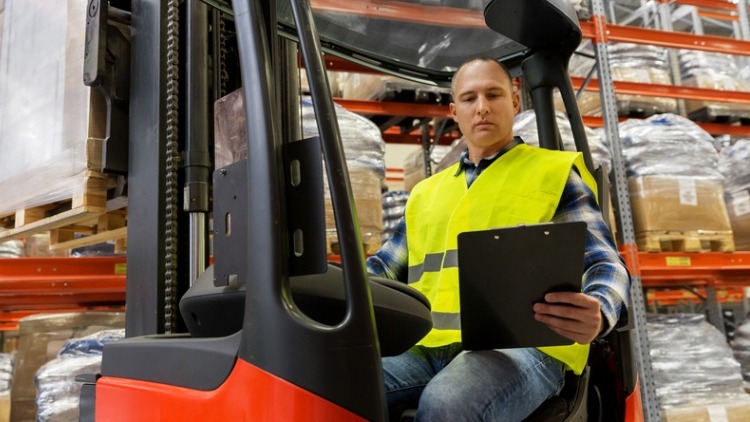
Retail Distribution
Definition
The process of delivering products from manufacturers or wholesalers to retail outlets where consumers can purchase them. It encompasses transportation, warehousing, inventory management, and merchandising to ensure the right products are in the right place at the right time. Effective retail distribution optimizes costs, product availability, and customer satisfaction.
Overview
What is retail distribution?
Retail distribution refers to all the activities and systems a retailer uses to get products from suppliers into customers' hands. This covers receiving and storing inventory, picking and packing orders, choosing fulfillment locations, coordinating transportation, and managing returns. For modern retailers, distribution also includes the digital orchestration that supports omnichannel shopping—so the same product can be bought in-store, online, or via mobile with consistent speed and experience.
Why speed and customer satisfaction matter
Today’s shoppers expect fast, reliable deliveries and seamless returns. Speed is a major driver of satisfaction and repeat business: quicker delivery increases conversion rates and reduces cart abandonment for online shoppers. Meanwhile, accurate, on-time fulfillment and easy returns build trust. Retailers that optimize distribution to deliver faster and more predictably gain competitive advantage and lower operational friction that can otherwise erode margins.
Core strategies that improve speed and satisfaction
- Distributed inventory and micro-fulfillment: Storing stock closer to customers—through regional fulfillment centers, urban micro-fulfillment centers, or leveraging store inventory—cuts transit time for last-mile delivery. Examples include using local stores as mini-warehouses for same-day delivery or curbside pickup.
- Omnichannel fulfillment: Enabling multiple fulfillment paths (ship-from-store, buy-online-pickup-in-store, curbside, ship-to-home) gives customers fast options and reduces delivery distance. Retailers like Walmart and Target expanded ship-from-store and pickup capabilities to accelerate delivery while lowering shipping costs.
- Prioritized inventory allocation: Use demand forecasting and replenishment rules to allocate inventory by SKU across network nodes based on expected sales velocity and delivery promises. Fast-moving items should be closer to high-demand areas; slow movers can be centralized to reduce handling costs.
- Advanced order routing and single-view inventory: A unified inventory view across channels enables automated order routing to the best fulfillment source (warehouse, store, or 3PL) based on stock availability, cost, service level, and delivery time. This reduces late shipments and avoids overselling.
- Automation in warehouses: Implementing Warehouse Management Systems (WMS), conveyors, pick-to-light, and robotic picking speeds up order processing, reduces errors, and increases throughput. Automation is especially effective for high-volume e-commerce operations.
- Flexible last-mile solutions: Offer multiple delivery options—express, standard, scheduled delivery windows, and pickup points. Partnering with local carriers, crowdsourced couriers, or lockers can shorten last-mile time and reduce failed deliveries.
- Smart packaging and shipping:** Right-sizing packing, pre-sorting shipments by delivery zone, and using barcode or RFID scanning improve handling speed and reduce shipping costs. Clear packaging policies also help returns processing.
- Clear communication and tracking: Provide accurate, real-time tracking and proactive notifications. Clear expectations about delivery windows and simple support channels improve perceived reliability even when delays occur.
- Streamlined returns (reverse logistics): Fast, easy returns increase customer confidence in buying. Offering pre-paid returns, in-store drop-off, or instant refunds upon inspection speeds up the process and encourages repeat purchases.
- Data-driven continuous improvement: Monitor KPIs (on-time delivery, order cycle time, fill rate, return rate, customer satisfaction scores) and run root-cause analyses. Use A/B testing for fulfillment rules and iterate based on results.
Practical implementation steps (beginner-friendly)
- Map your current network: Identify where inventory sits, average lead times, transportation routes, and common delays. A simple diagram helps spot bottlenecks.
- Set clear service goals: Define target delivery times, acceptable shipping cost per order, and customer satisfaction benchmarks. These goals guide tradeoffs (speed vs. cost).
- Unify inventory data: Build a single source of truth for stock levels across stores, warehouses, and suppliers—this is the foundation for fast, accurate fulfillment.
- Choose low-friction fulfillment options: Start with quick wins like enabling in-store pickup or offering local delivery in high-density areas.
- Pilot and measure: Run small pilots (e.g., ship-from-store in one city) and track KPIs. Scale what works and adjust processes where needed.
- Standardize processes: Create pick-pack-ship SOPs, packaging templates, and return handling procedures to reduce errors and training time.
- Partner strategically: Use 3PLs, local courier services, and fulfillment centers to extend reach quickly without heavy capital investment.
Common mistakes to avoid
- Relying on siloed inventory systems: Separate stock records for online and store channels cause oversells and slow order routing.
- Prioritizing lowest shipping cost only: Cheaper carriers or routes can increase transit time and damage satisfaction. Balance cost with service level.
- Neglecting returns: Poor returns experience discourages repeat purchases. Plan reverse logistics early.
- Underusing store assets: Stores can be powerful fulfillment nodes; ignoring them forfeits speed advantages.
- Delaying automation until too late: Manual processes scale poorly; small automation investments in WMS or order routing pay back quickly for growing retailers.
Real-world examples
Amazon accelerated delivery expectations industry-wide with distributed fulfillment centers and sophisticated order routing, enabling fast delivery choices like Prime same-day. Zara uses rapid replenishment and tight control of inventory flow between factories and stores to turn new designs into in-store stock within weeks, improving customer experience through fresh, available merchandise. Many traditional retailers (e.g., Walmart, Target) improved speed and customer satisfaction by enabling store-based fulfillment and buy-online-pickup-in-store options.
Key performance indicators to track
Focus on on-time-in-full (OTIF), order cycle time (order to delivery), average shipping cost per order, fill rate, return processing time, and Net Promoter Score (NPS) or customer satisfaction scores. Regularly reviewing these KPIs helps prioritize improvements that most directly affect speed and satisfaction.
Final tips
Start small, measure everything, and expand successful tactics. Balance automation and human judgment, and always align distribution decisions with the customer promise—whether that promise emphasizes free shipping, same-day delivery, or convenient pickup. The best retail distribution strategies tightly integrate inventory placement, fulfillment options, carrier choices, and customer communication so speed and satisfaction reinforce each other.
More from this term
Looking for a 3PL?
Compare warehouses on Racklify and find the right logistics partner for your business.