

Reverse Commerce: Concepts, Benefits and Use Cases
Reverse Commerce
Definition
Reverse Commerce is the set of processes that manage the flow of products and materials from the customer back to the retailer, manufacturer, or recycler for returns, repairs, refurbishment, recycling, or disposal. It includes activities such as return authorization, transportation, inspection, and asset recovery to recover value, ensure compliance, and support sustainability.
Overview
Reverse Commerce: Concepts, Benefits and Use Cases
Reverse Commerce describes the systems and practices that capture, process and extract value from goods after they have been sold or delivered to customers. Unlike traditional forward commerce, which focuses on moving products from supplier to buyer, reverse commerce manages the opposite flow: returns, trade-ins, repairs, refurbishment, recycling and resale. This guide explains the concept, common models, business benefits and practical use cases across industries.
At its core, reverse commerce aims to recover value, reduce waste and improve customer experience. It includes commercial activities (refunds, warranty servicing, secondary-market sales), regulatory activities (take-back and producer responsibility), and sustainability-driven programs (recycling and circular reuse). Organizations implement reverse commerce to control costs associated with returns, comply with environmental rules, capture secondary revenues, and strengthen customer loyalty.
Common reverse commerce models:
- Retail returns management: E-commerce and omnichannel retailers receive customer returns for refund, exchange or repair. Efficient handling reduces cost-to-serve and increases resale potential.
- Refurbish and resale: Devices and goods are inspected, repaired and resold through certified refurbish programs or outlet channels. Examples include certified pre-owned electronics.
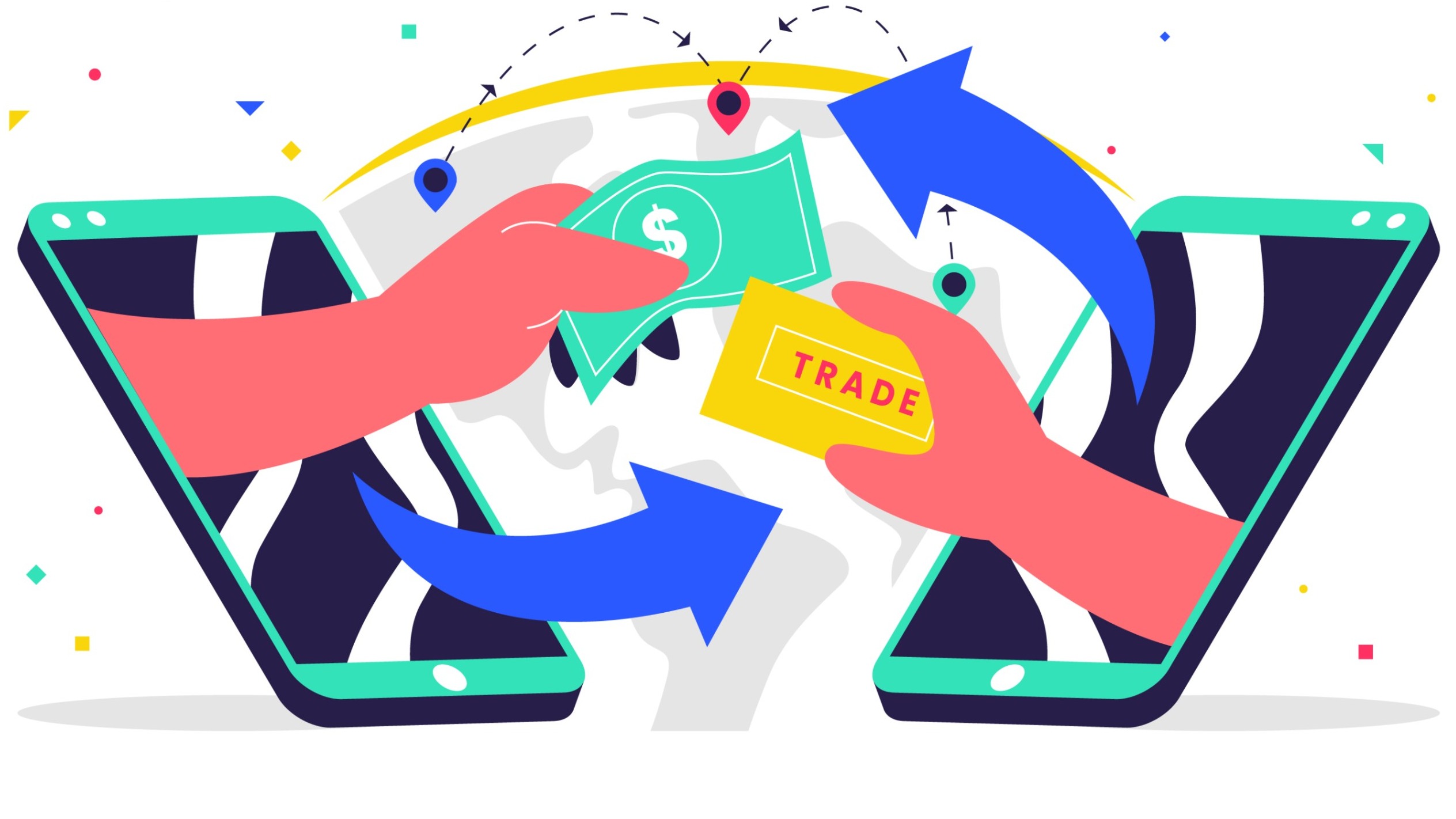
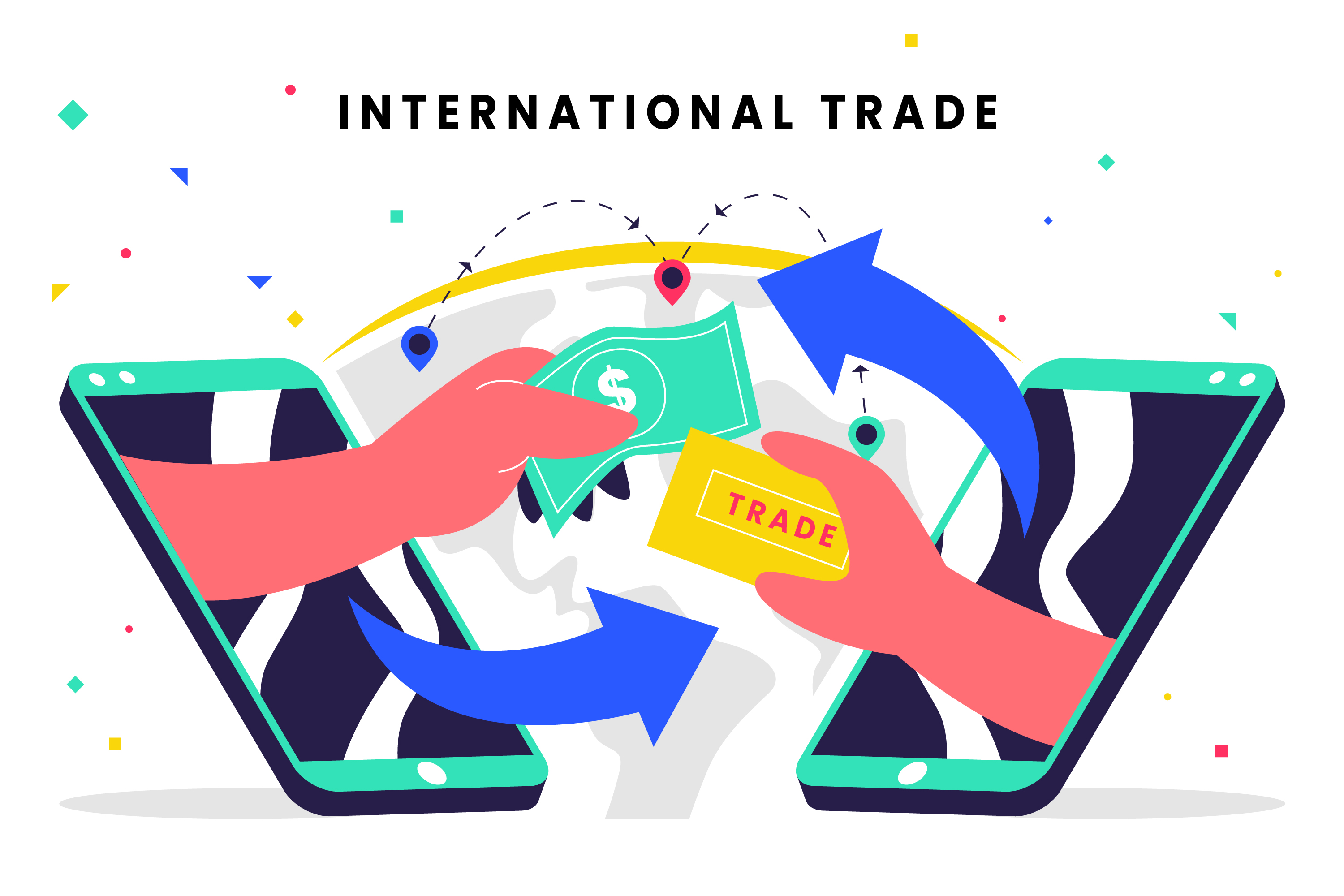
- Trade-in and buyback: Customers exchange used items for credit toward new purchases. Retailers or manufacturers resell or recycle traded inventory.
- Take-back and extended producer responsibility (EPR): Manufacturers accept end-of-life products for recycling or safe disposal, often to meet regulatory requirements.
- Component salvage and remanufacture: Parts are reclaimed from returned or end-of-life units and re-used to build remanufactured products or for spare parts supply.
Key benefits of reverse commerce:
- Cost recovery: Reprocessing returned items can recover revenue through resale, refurbishment or parts reuse, offsetting return-related costs.
- Customer satisfaction and loyalty: Simple, transparent return and trade-in experiences build trust and repeat business.
- Regulatory compliance: Programs for hazardous materials, electronics and packaging help meet local and international EPR rules.
- Environmental impact reduction: Extending product life and increasing recycling rates reduce waste and the carbon footprint associated with new production.
- Data and product insights: Returned items provide feedback on quality, failure modes and customer preferences, informing product improvement and inventory decisions.
Real-world examples
Illustrate the range of reverse commerce strategies. A major online retailer operates an automated return portal that segments returns by condition, routing some products to refurbishment centers and others to liquidation channels. A smartphone manufacturer runs a trade-in program that offers discounts for returned devices, refurbishes them to certified standards and resells them with warranty—capturing incremental revenue while reducing e-waste. Fashion brands run take-back and resale programs for used garments to promote circularity and improve sustainability metrics.
Operational considerations:
- Cost-to-serve: Reverse flows are often more complex and costly per unit than forward shipments due to inspection and variable states of returned goods.
- Disposition decision-making: Effective reverse commerce requires rapid, accurate decisions (repair, refurbish, recycle, scrap, resell) supported by data and standardized inspection criteria.
- Channel management: Resale can be direct (brand store), marketplace (third-party refurbishers) or B2B liquidation. Channel selection affects margins and brand perception.
- Technology and systems: Warehouse management systems (WMS), returns management portals, inventory visibility tools and refurbishment workflows are essential to scale operations.
Challenges include handling heterogeneous product conditions, preventing fraud, managing the environmental compliance of hazardous returns (batteries, chemicals), and integrating reverse workflows with existing supply chain systems. Nevertheless, when designed strategically, reverse commerce becomes a competitive differentiator: it reduces waste, unlocks secondary revenue streams, and strengthens customer relationships. For organizations seeking resilience and sustainability, reverse commerce is no longer an afterthought but a core element of modern commerce strategy.
More from this term
Looking For A 3PL?
Compare warehouses on Racklify and find the right logistics partner for your business.
Processing Request