
Segregation of Dangerous Goods (The Segregation Table)
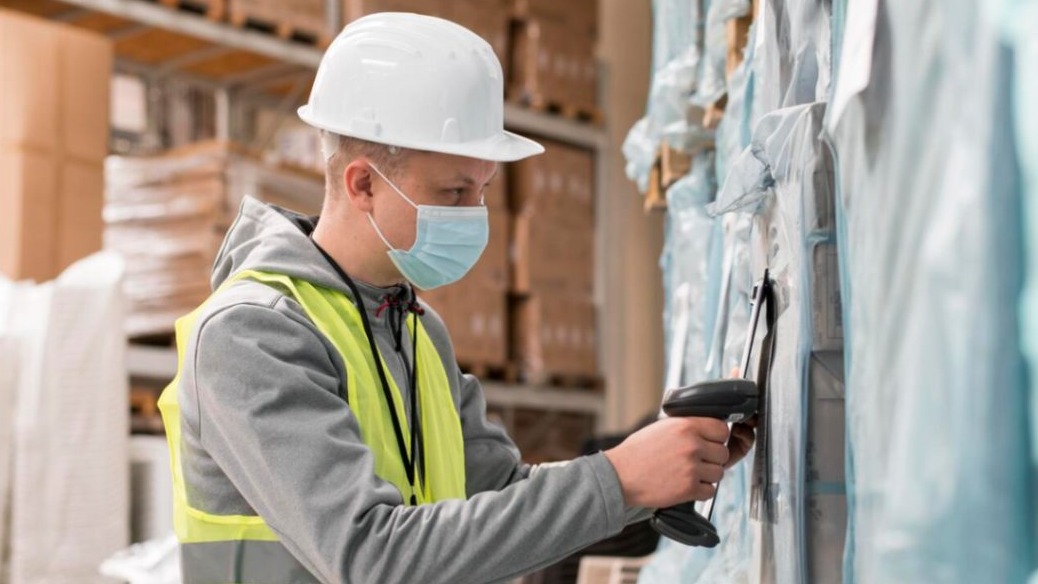
dangerous goods shipping
Definition
Dangerous goods shipping is the transport of materials that pose risks to health, safety, property, or the environment, such as flammable, toxic, corrosive, or explosive substances. It requires specialized packaging, labeling, documentation, and handling to comply with national and international regulations and to ensure safe movement by road, rail, sea, or air.
Overview
Definition and purpose
The segregation of dangerous goods is the systematic separation of incompatible hazardous materials during storage, handling, and transport to eliminate or reduce the risk of chemical interaction that can cause toxic gas formation, fire, explosion, or accelerated corrosion. The Segregation Table—published in modal regulations such as the International Maritime Dangerous Goods (IMDG) Code and the U.S. 49 CFR (Code of Federal Regulations)—is the authoritative reference that tells operators which classes and divisions of dangerous goods may be stowed together and which must be separated.
Operational logic in a 3PL environment
In third-party logistics (3PL) facilities, the instinct to consolidate all hazardous materials into a single area is unsafe and noncompliant. Different hazard classes may react dangerously if they come into contact. For example, mixing a corrosive liquid with a substance that is "dangerous when wet" can produce flammable hydrogen gas; mixing oxidizers with flammable liquids can trigger fires; and some combinations can generate toxic vapors. Effective segregation is therefore both a safety and compliance practice that extends across warehouse racking, dedicated storage bays, transport units, and during cross-docking.
Key regulatory standards
Both the IMDG Code (for sea transport) and 49 CFR (for land transport in the U.S.) include segregation tables and rules. These references categorize hazardous materials into classes and divisions (e.g., Class 3 Flammable Liquids, Class 4.3 Dangerous When Wet, Class 5.1 Oxidizers, Class 8 Corrosives) and specify compatibility codes or statements indicating whether items may be stowed together, separated by distance, or must never be stowed together. When operating internationally or intermodally, follow the most restrictive applicable regulation and the carrier’s own dangerous goods transport conditions.
How to use a segregation table
Use the segregation table as part of the dangerous goods acceptance and loading workflow:
- Identify the UN number, proper shipping name, and class/division for each consignment.
- Consult the segregation table for compatibility codes between each pair of classes or specific substances.
- Apply any required separation methods (physical distance, barrier, different transport units) as dictated by the table and the regulations.
- Record and reflect segregation decisions in load plans, stowage plans, and warehouse location systems to ensure ongoing compliance during handling and transport.
Prohibited pairings and examples
Certain pairings are explicitly prohibited. A common example: Class 8 (Corrosives) and Class 4.3 (Dangerous When Wet) generally must not be stored together because contact can produce flammable hydrogen gas and other hazardous byproducts. Other classic prohibitions include oxidizers (Class 5.1) with flammable liquids (Class 3) or organic peroxides (Class 5.2) with strong reducing agents. Always check the specific substance entries; two materials in the same broad class may still be incompatible if one contains additional hazards.
Buffer zones and practical segregation methods
Beyond regulatory separation distances, many large 3PLs implement physical buffer zones. These use non-regulated or inert freight—such as bags of salt, sand, or inert hardware—as a physical barrier to increase separation between incompatible racks. Other methods include distinct dedicated storage areas with separate ventilation, secondary containment, solid partition walls, locked cages, and dedicated transport units. In transport, segregation may require placarding on separate vehicles or stowage in different compartments of a single unit where segregation is permitted.
Implementation steps for 3PLs
- Maintain an up-to-date hazardous materials inventory linked to MSDS/SDS and UN numbers.
- Train staff on reading segregation tables and interpreting compatibility codes.
- Create standard operating procedures (SOPs) for acceptance, storage assignment, picking, and loading that embed segregation rules.
- Integrate segregation logic into warehouse management systems (WMS) and transport planning software to prevent prohibited placements.
- Use clear signage, floor markings, and physical barriers to prevent accidental co-location.
- Conduct regular audits and incident drills to validate segregation effectiveness.
Documentation and recordkeeping
Keep records of segregation decisions, stowage plans, and chain-of-custody for dangerous goods shipments. For maritime shipments, retain IMDG declarations and shipper’s declarations where required. For road transport, ensure transport documents and carrier instructions reflect segregation requirements. Proper documentation supports compliance checks and incident investigations.
Common mistakes and how to avoid them
Frequent errors include relying on broad class labels (e.g., "hazmat") rather than checking specific UN numbers, failing to consult the most current segregation table version, using informal buffer materials that are themselves reactive, and inadequate staff training. Avoid these by enforcing SDS-based verification at acceptance, updating SOPs with regulatory changes, and using only known inert materials for buffering.
Conclusion
Segregation of dangerous goods is a regulatory and operational imperative in 3PL operations. Applying the IMDG or 49 CFR Segregation Table, combining physical controls with software checks, and training personnel are fundamental steps to prevent catastrophic chemical reactions and ensure safe, compliant storage and transport of hazardous materials.
More from this term
Looking for a 3PL?
Compare warehouses on Racklify and find the right logistics partner for your business.