
Sidewalk Sovereignty: The New Frontier of Last-Mile Logistics
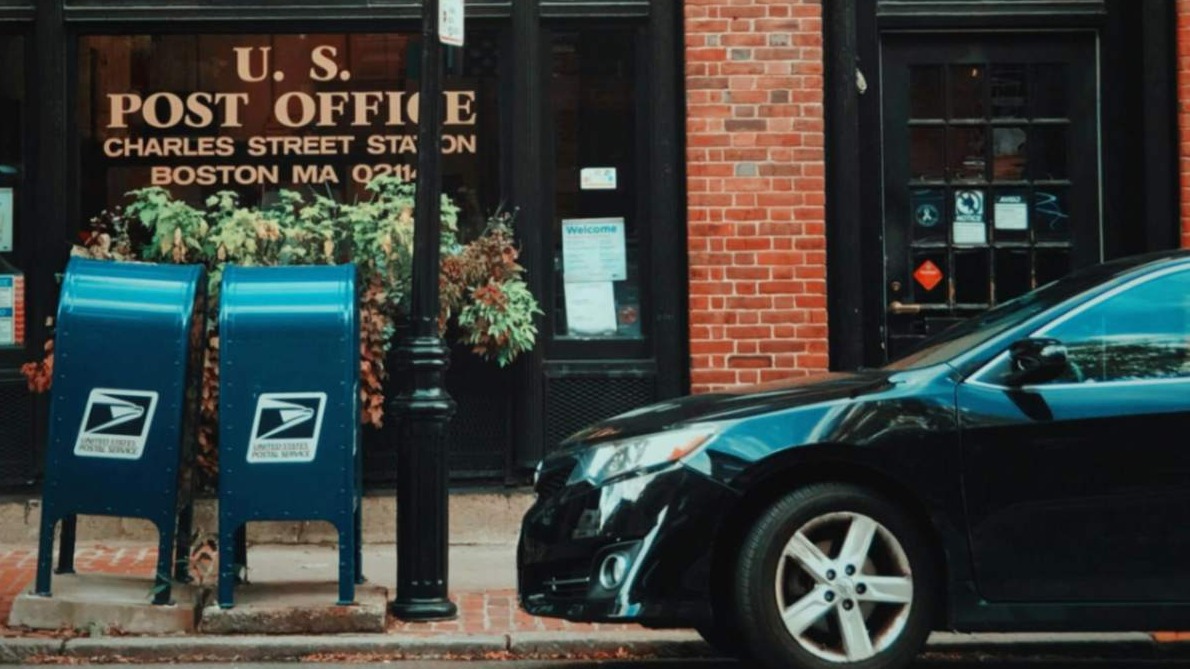
Sidewalk Sovereignty
Definition
Sidewalk sovereignty is a policy and design concept that defines how autonomous delivery robots may use sidewalks, including right-of-way, speed limits, routing, and parking rules. It balances efficient robot deliveries with pedestrian safety, accessibility, and public space management through regulations, technical standards, and local enforcement.
Overview
What it means
Sidewalk Sovereignty is a way of thinking about sidewalks not just as pedestrian corridors but as contested, valuable real estate in the last‑mile delivery system. It recognizes sidewalks as places where commerce, mobility and public life intersect: where courier workers weave through foot traffic, where electric cargo bikes park, and where autonomous delivery robots debut. The phrase highlights the need to manage who uses sidewalks, how they are designed, and which rules govern them so deliveries are efficient, safe, and equitable.
Why it matters for last‑mile logistics
Last‑mile delivery—the final step of getting goods from a distribution point to a customer—can be the costliest and most complex segment of a supply chain. Using sidewalks creatively can reduce reliance on curbside parking, shorten trip distances, and allow smaller, lower‑emission vehicles closer access to customers. That said, increasing delivery activity on sidewalks changes the pedestrian experience and can create safety, accessibility, and liability issues if not managed thoughtfully.
Key stakeholders
- Cities and planners: set regulations, maintain sidewalks, and decide how public space is allocated.
- Merchants and e‑commerce brands: want reliable, fast, and low‑cost last‑mile options to meet customer expectations.
- Warehouses and carriers: design routing and choose vehicle fleets (cargo bikes, vans, robots) to optimize cost and speed.
- Residents and pedestrians: need safe, accessible sidewalks free from excessive obstructions.
- Technology providers: build delivery robots, fleet management software, and sensors that affect sidewalk operations.
Technologies and modes in the sidewalk mix
Sidewalk Sovereignty often involves micro‑mobility and automated platforms, including:
- Cargo bikes and e‑trikes: human‑powered or electric, they offer flexible curb access for dense, urban areas and can carry substantial payloads.
- Pedestrian couriers: foot couriers and curbside pick‑ups remain essential for hyperlocal deliveries like food and small parcels.
- Delivery robots: small autonomous devices that travel on sidewalks to shuttle packages short distances. Several companies have piloted these on campuses and in neighborhoods.
- Smart curb and locker integrations: digital tools that reserve sidewalk space temporarily for loading or provide secure micro‑hubs for contactless handoffs.
Benefits
- Cost and emissions reduction: smaller vehicles and shorter trips can cut fuel use and lower last‑mile costs.
- Increased delivery density: use of sidewalks allows more drop points per hour in dense neighborhoods.
- Customer convenience: faster, doorstep or near‑door deliveries and new options like scheduled micro‑deliveries.
Risks and challenges
Sidewalk Sovereignty is not without tradeoffs. Key concerns include:
- Pedestrian safety and accessibility: sidewalks must remain clear for people with disabilities, strollers, and general foot traffic. Devices and bikes should not create barriers.
- Regulatory uncertainty: many cities are still developing rules for delivery robots, cargo bike parking, and sidewalk loading zones.
- Vandalism, theft and weather: small robots and cargo carry systems face theft or damage; harsh weather can limit operations.
- Equity and public acceptance: decisions about who gets prioritized access to sidewalks can raise fairness concerns across neighborhoods.
Implementation best practices for logistics teams (beginner friendly)
Companies exploring sidewalk‑centric delivery should follow a staged, community‑aware approach:
- Map and pilot: survey sidewalk widths, curb conditions, and pedestrian volumes in target neighborhoods. Run small pilots to test vehicle types and routing.
- Engage cities early: secure necessary permits, share safety data, and align with planning goals such as accessibility and street activation.
- Choose technology to match context: cargo bikes work well where sidewalks are narrow and cycling infrastructure exists; robots may fit low‑traffic residential blocks and campuses.
- Design human‑centered handoffs: lockers, micro‑hubs, or brief stopped delivery windows reduce obstruction and simplify interactions for recipients.
- Integrate with warehouse and routing systems: adapt WMS/TMS rules for sidewalk drops, including packaging that’s compact and weather‑resistant for outdoor handoffs.
- Monitor KPIs and community feedback: track on‑time performance, incidents, and pedestrian complaints; iterate quickly.
Common mistakes to avoid
- Assuming sidewalks are free, uniform infrastructure: pavement condition and width vary block‑by‑block.
- Deploying without public consultation: community opposition can halt pilots or generate negative press.
- Neglecting accessibility rules: failing to preserve clear paths for people with disabilities invites regulatory penalties and harms equity.
- Forgetting integration needs: sidewalk delivery requires coordination with inventory systems, customer notifications, and returns handling.
Real‑world context
Several companies have piloted sidewalk delivery robots and cargo‑bike networks to reduce last‑mile friction; others use micro‑hubs and locker networks to shorten delivery legs onto pedestrian routes. These pilots highlight that success depends less on any single technology and more on local conditions, regulatory frameworks, and community buy‑in.
Final takeaway
Sidewalk Sovereignty reframes sidewalks as active components of the logistics ecosystem that need deliberate design, rules, and partnerships. For merchants, warehousing teams, and transportation providers, the opportunity is to reduce costs and emissions while maintaining a safe, accessible public realm. The new frontier isn’t just about robots or bikes — it’s about creating policies and operational practices that balance delivery efficiency with the everyday rights of people who walk the city.
Sources And Additional Reading (3)
- Logistics and Distribution
“Logistics and Distribution.” DC Velocity, https://www.dcvelocity.com/.
- Warehouse Management System
“Warehouse Management System.” Tecsys, https://www.tecsys.com/solutions/warehouse-management/.
- Ecommerce Logistics
“Ecommerce Logistics.” DHL, https://www.dhl.com/global-en/home/our-divisions/supply-chain/solutions/e-commerce.html.
More from this term
Looking for a 3PL?
Compare warehouses on Racklify and find the right logistics partner for your business.