
Silica Gel Packet — Solutions Revolutionizing Modern Logistics
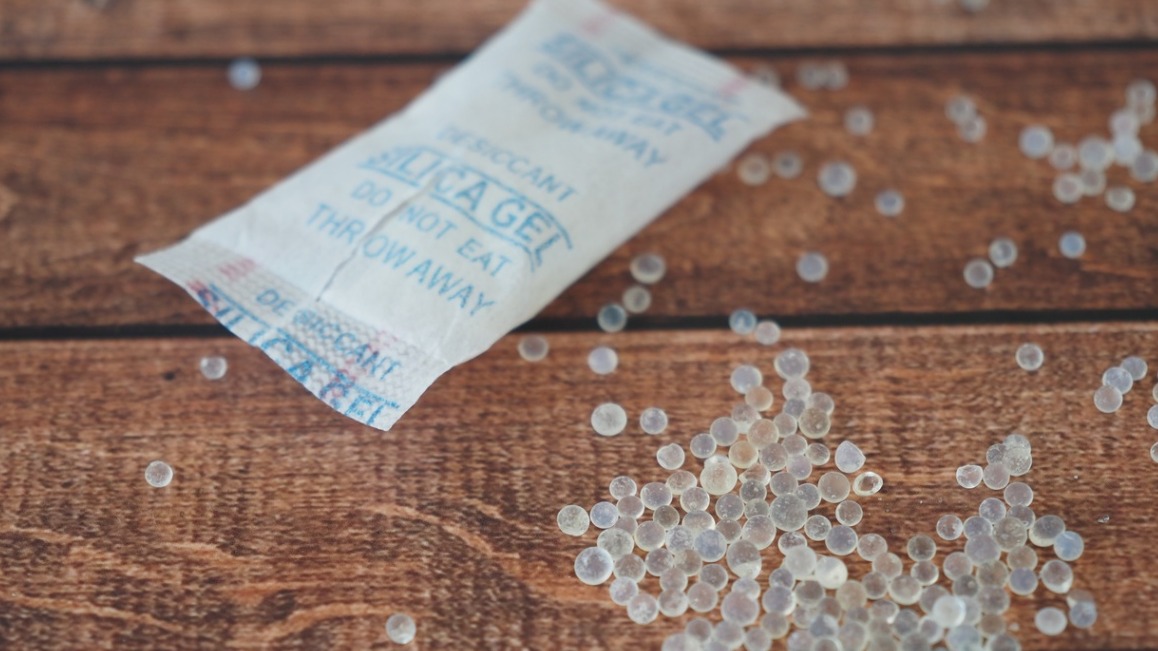
Silica Gel Packet
Definition
A silica gel packet is a small desiccant sachet filled with porous silica beads used in shipping to absorb moisture and prevent condensation, mold, and corrosion inside packaging. These non-toxic packets protect electronics, textiles, and perishables during transit and are typically labeled "Do not eat" and discarded after use.
Overview
What is a silica gel packet?
Silica gel packets are small, porous pouches containing silica gel — a desiccant material made from silicon dioxide. The beads attract and hold water vapor from the surrounding air, lowering local humidity and protecting moisture-sensitive products. Packets vary in size, filler weight, and whether they include an indicating dye that changes color as moisture is absorbed.
How silica gel works (simple explanation)
Silica gel beads have a large internal surface area with microscopic pores. Water molecules in the air adhere to these pore surfaces through physical adsorption. This reduces relative humidity inside boxes or sealed packages, helping prevent mold, corrosion, swelling, loss of adhesive performance, and other humidity-driven failures.
Common types and features
- Non‑indicating silica gel: Plain white or translucent beads that adsorb moisture but provide no visual status cue.
- Indicating silica gel: Beads change color as they absorb moisture (historically blue to pink formulations using cobalt salts, now often replaced by safer, non‑toxic indicators).
- Food‑ or pharma‑grade bags: Manufactured under stricter controls and with approved materials for direct contact or proximity to consumables and regulated products.
- Canisters and large sachets: Used for big shipments, pallets, or inside humid containers; they hold more desiccant and are built for handling in industrial logistics.
- Regenerable beads: Certain silica gels can be dried and reused by applying heat under controlled conditions.
Why businesses in logistics use silica gel
Silica gel packets are a low‑cost, low‑complexity way to protect inventory across the supply chain. Typical benefits include fewer damaged goods, lower return rates, reduced claims, longer shelf life for hygroscopic products (e.g., electronics, leather, pharmaceuticals, precision parts), and lower need for costly climate‑controlled storage or expedited transport. For many shippers, the marginal cost of adding desiccant is far lower than the cost of a single moisture‑related claim.
Where silica gel is used in logistics
- Inside consumer electronics boxes to prevent condensation and corrosion during sea or air transport.
- With leather, textiles, and footwear in long‑term warehouse storage to avoid mildew and odor.
- In spare parts, medical device, and pharmaceutical packaging where humidity affects functionality or stability.
- Placed in shipping containers or pallet covers as part of containerized cargo protection strategies, especially on long sea voyages.
- Within archival storage and high‑value goods warehouses to preserve paper, wood, and artwork.
Best practices for implementing silica gel in logistics (beginner friendly)
- Start with a simple assessment: Determine product sensitivity to moisture, expected transit/storage duration, and the environmental exposure (e.g., tropical sea freight vs short domestic truck haul).
- Use manufacturer dosing guides: Desiccant suppliers provide calculators and tables that estimate the number and size of packets required for a given product volume and shipping environment. When in doubt, conduct a small test shipment with humidity indicator cards to validate performance.
- Place packets correctly: Put packets inside primary packaging or directly with the product where allowed; for container shipments, use larger canisters or multiple sachets distributed throughout the container rather than a single packet.
- Combine with good packaging: Desiccants work best with moisture barriers — sealed poly bags, heat‑sealed pouches, or humidity control liners reduce the moisture load and extend effectiveness.
- Monitor and document: Use humidity indicator cards or data loggers during trials and regular shipments to confirm desiccant performance and refine dosing.
Common mistakes to avoid
- Underestimating moisture load by ignoring route and climate — long sea voyages in humid climates need far more desiccant than short domestic routes.
- Placing packets outside protective packaging — if the packet sits in outside void space, it cannot protect the product effectively.
- Reusing single‑use packets without proper regeneration — performance drops and contamination risks rise.
- Assuming one size fits all — small electronics and palletized industrial goods require different desiccant strategies.
Safety, regulation, and disposal
Most standard silica gel is chemically inert and non‑hazardous; however, older indicating gels contained cobalt chloride (a toxic compound) and require special disposal. Modern indicating gels typically use safer indicators, but always check the supplier’s safety data sheet (SDS). Dispose of spent desiccants according to local regulations and supplier guidance — many can be treated as non‑hazardous solid waste if they contain no restricted dyes or contaminants.
Regeneration and reuse
Some silica gel formulations can be regenerated by heating in an oven at the temperature recommended by the manufacturer (often around 120°C for a few hours, depending on packet construction). Regeneration must be done carefully to avoid damaging sachet materials or changing indicator chemistry, and it is more common for large canisters than single‑use paper packets.
Alternatives and complementary solutions
Alternatives include molecular sieves (better at very low humidity), clay desiccants (cheaper but less effective at low RH), moisture barrier films and liners, and humidity control packs that actively maintain a set relative humidity. Oxygen absorbers are complementary but address oxidation rather than moisture.
Procurement and cost considerations
Silica gel packets are generally inexpensive and widely available from packaging suppliers, with discounts for bulk orders. For regulated industries (pharma, food, medical devices), source certified grades and request certificates of analysis. Factor in storage conditions for your desiccant stock — they should be kept sealed until use to avoid pre‑loading with moisture.
How silica gel is changing modern logistics
By providing a low‑cost, scalable way to control moisture, silica gel packets help logistics providers reduce damage rates, lower inventory shrinkage, and enable longer, more complex transport routes without resorting to energy‑intensive climate control. This contributes to more efficient use of shipping modes, fewer expedited replacements, and improved customer satisfaction — small sachets with outsized impact.
Practical example
An electronics manufacturer preparing a pallet for export to a humid tropical market places multiple large sachets inside each sealed inner carton and a few larger canisters at pallet level inside a humidity barrier liner. After a two‑week sea voyage, quality checks using humidity indicator cards show no condensation and a significant reduction in field returns compared to prior shipments that lacked desiccant protection.
Final tip
Start small: run controlled tests with humidity indicators, consult desiccant suppliers for dosing guidance, and document results. Over time, a well‑designed desiccant strategy becomes a routine, cost‑effective part of a robust logistics quality program.
Sources And Additional Reading (3)
- Whatnot Seller Academy
“Whatnot Seller Academy.” Whatnot, https://selleracademy.whatnot.com/guide.
- Importing into the United States
“Importing into the United States.” U.S. Customs and Border Protection, https://www.cbp.gov/trade/basic-import-export/importing-into-united-states.
- 3PL Guide
“3PL Guide.” DCL Logistics, https://dclcorp.com/blog/3pl/guide-third-party-logistics-3pl-fulfillment-providers/.
More from this term
Looking for a 3PL?
Compare warehouses on Racklify and find the right logistics partner for your business.