
Sustainability and the Shift to "Green" Dunnage
Dunnage
Definition
Dunnage refers to materials and products used to protect, support, and secure cargo during storage and transportation. Common forms include wooden braces, airbags, foam, and loose fill that prevent movement, cushion against shock, and distribute weight to reduce damage.
Overview
What dunnage is
Dunnage is any material placed around cargo or products to prevent movement, absorb shock, cushion fragile items, and protect goods from damage during storage and transit. In warehouses, distribution centers, and transport vehicles, dunnage performs three main roles: protecting products from physical harm, preventing shifting that can cause damage or accidents, and filling voids to maintain load integrity.
Traditional dunnage types
Historically, dunnage has included materials such as Styrofoam peanuts, plastic bubble wrap, air pillows, foam inserts, corrugated cardboard, paper fill, wood bracing, and shrink wrap. These materials vary in protective performance, cost, and environmental impact. Single-use plastics and petroleum-based foams have been common because they are lightweight, cheap, and offer good cushioning, but they create long-term environmental problems.
The shift to green dunnage
As e-commerce volumes grow, the industry has seen rising scrutiny of single-use packing materials. Retailers, brands, and third-party logistics providers (3PLs) are under pressure from consumers, regulators, and corporate sustainability targets to reduce packaging waste and greenhouse gas emissions. This has driven adoption of green dunnage options that prioritize recyclability, biodegradability, or renewable feedstocks.
Common green dunnage alternatives
- Water-soluble packing peanuts — made from biodegradable starches (for example, polyvinyl alcohol blends) that dissolve in water. They deliver similar cushioning to traditional polystyrene peanuts and reduce landfill persistence, though they require appropriate disposal and handling.
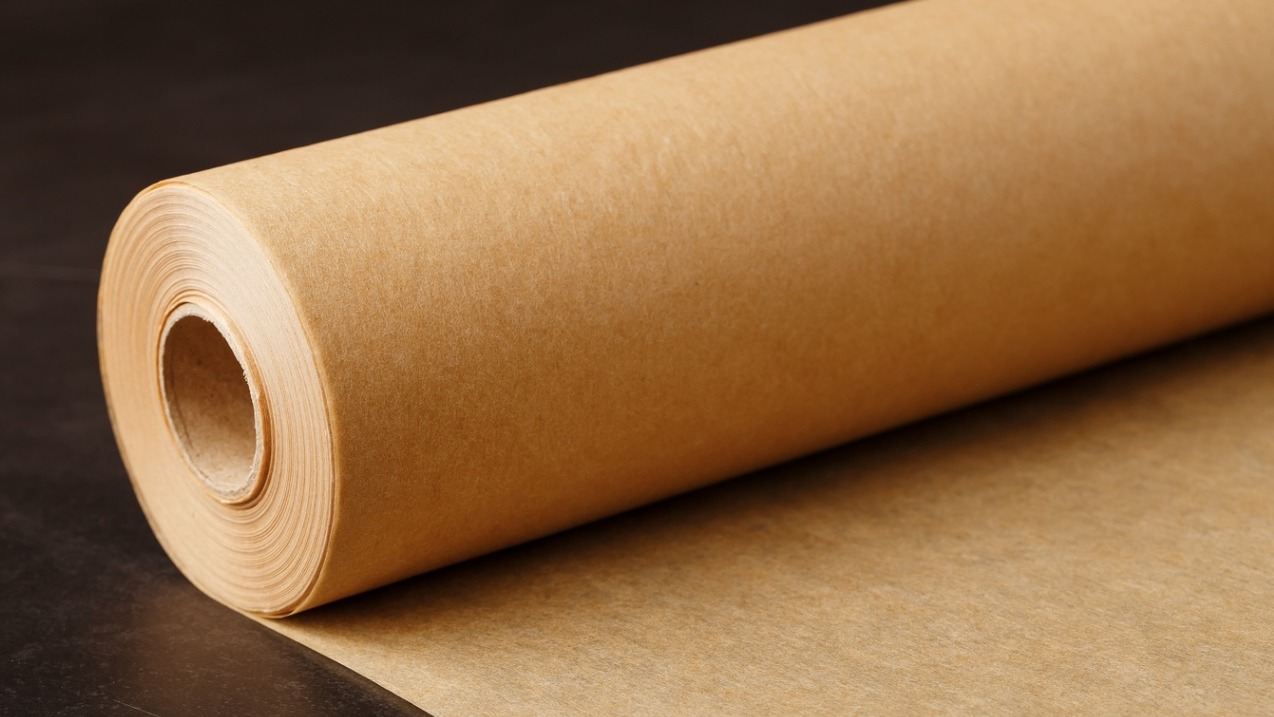
- Recycled kraft paper — crumpled, shredded, or layered kraft paper made from post-consumer recycled fiber. It is strong, recyclable in standard paper streams, and performs well for void fill and surface protection.
- Biodegradable mushroom-based packaging — created by growing mycelium around agricultural waste to form molded, protective shapes. It is compostable, renewable, and increasingly viable for fragile or protective inserts.
- Corrugated inserts and honeycomb paper — engineered paper structures that absorb impact and provide structural support while remaining recyclable.
- Recycled plastics and reprocessed foam — where plastic reuse or closed-loop recycling is possible, these materials lower virgin plastic use while retaining performance characteristics.
Benefits of switching to green dunnage
The move to sustainable dunnage produces multiple operational, commercial, and environmental benefits:
- Lower environmental footprint: Reduced landfill waste and often lower embodied carbon compared with virgin plastics.
- Brand and customer value: Consumers increasingly prefer eco-conscious brands; sustainable packaging supports brand reputation and marketing claims.
- Regulatory readiness: Preparing for packaging waste regulations, extended producer responsibility (EPR) schemes, and landfill taxes.
- Potential cost savings: Where recyclable or reusable solutions enable lower disposal costs or qualify for bulk purchasing discounts over time.
How 3PLs implement green dunnage
Third-party logistics providers play a central role in adopting sustainable dunnage because they handle packing and fulfillment at scale. Typical steps include:
- Assessing product mix and protection needs to map which SKUs can use which sustainable materials.
- Running pilot programs with selected materials and measuring protection performance, packing speed, cost per shipment, and returns.
- Working with suppliers to source certified materials and ensure supply chain stability.
- Training packers on new packing methods, since some green materials require different handling and packing sequences.
- Monitoring customer feedback, damage rates, and environmental metrics to refine use and scale up successful solutions.
Best practices for selecting and using green dunnage
- Match protection to need: Overpacking wastes materials and underpacking increases damages. Use right-sized void fill and protective inserts based on product fragility, weight, and transport mode.
- Consider end-of-life: Prefer materials that fit existing recycling or composting streams in your primary markets.
- Test for performance: Conduct drop, vibration, and stacking tests under real-world conditions before full rollout.
- Standardize where possible: Using a limited set of proven materials simplifies training and inventory management.
- Educate customers: Include clear disposal instructions on packing slips or labels to encourage proper recycling or composting.
Common mistakes to avoid
- Assuming 'green' equals 'one-size-fits-all' — some sustainable materials perform differently and are better suited to certain SKUs.
- Neglecting supplier reliability — switching without securing consistent supply can create operational disruptions.
- Failing to measure outcomes — not tracking damage rates, costs, and customer feedback can leave problems undiscovered.
- Overlooking local waste infrastructure — a compostable material is only effective if end customers or municipal services can compost it.
Practical examples
Large e-commerce brands and many 3PLs now use recycled kraft paper for most non-fragile shipments, combine molded fiber or honeycomb paper for electronics and glassware, and deploy mushroom-based trays for premium fragile products. Water-soluble peanuts are often used where returns or international shipments might otherwise create disposal challenges.
Conclusion
Dunnage is a critical but often overlooked component of the supply chain. The transition to green dunnage combines environmental responsibility with operational considerations. Successful adoption depends on matching material properties to product needs, validating performance through testing, training staff, and coordinating with suppliers and customers to ensure proper end-of-life handling. For 3PLs and brands, the shift is both a compliance and a market opportunity: reducing waste while meeting customer expectations for sustainability.
Sources And Additional Reading (3)
- Ecommerce Packaging
“Ecommerce Packaging.” Packaging Digest, https://www.packagingdigest.com/ecommerce.
- Packaging Resources
“Packaging Resources.” Pregis, https://www.pregis.com/knowledge-hub/.
- Materials Handling
“Materials Handling.” Modern Materials Handling, https://www.mmh.com/.
More from this term
Looking for a 3PL?
Compare warehouses on Racklify and find the right logistics partner for your business.