
Tamper-Evident Packaging Options: Materials And Mechanisms
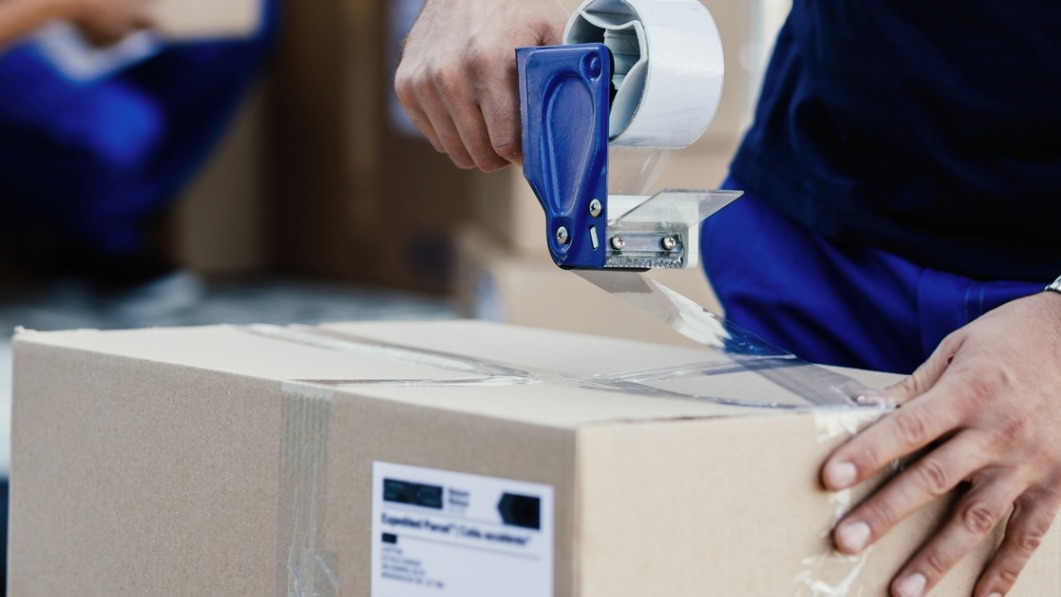
Tamper-Evident Packaging
Definition
Tamper-evident packaging is packaging designed to show visible signs when it has been opened, altered, or interfered with. It uses features like seals, shrink bands, breakable caps, or special labels to provide a clear indication of tampering, helping protect product integrity and reassure consumers.
Overview
Tamper-Evident Packaging is packaging designed to provide visible evidence if a product has been opened or altered. This article catalogs the common materials and mechanical approaches used to create tamper evidence, explains how each method signals interference, and outlines practical selection criteria for warehouse and fulfillment operations.
Manufacturers and logistics teams choose tamper-evident features that match the product risk profile, regulatory environment, and packaging line capability. The market offers solutions ranging from low-cost adhesive tapes to serialized security closures; each has trade-offs in cost, detectability, recyclability, and integration complexity. Below are the primary material and mechanism categories you will encounter.
Physical Tamper-Evident Seals And Closures
These are visible components that must be broken or removed to open a package. They’re common on bottles, jars, cartons, and cases and provide immediate, intuitive indication that tampering occurred.
- Shrink Bands / Shrink Sleeves: Heat-shrunk plastic bands around bottle necks or container openings that must be torn or cut to access the product; typically made from PETG, PVC, or OPS.
- Break-Away Caps and Frangible Rings: Caps designed with a ring that separates on first opening; common in beverages and pharmaceuticals.
- Induction Seals and Foil Liners: Aluminum or polymer foil liners bonded to container rims with an induction sealing head; latch or puncture to open and replacement shows obvious damage.
- Tear Tapes and Perforations: Integrated tape or perforated tear lines on cartons and film bags that produce a clear ripped edge when opened.
Adhesive Tapes, Labels, And Void Systems
Adhesive-based solutions are highly configurable for cartons and poly bags. They are simple to apply on packing lines and versatile for e-commerce, but they vary in forensic strength.
- Void-Displaying Tape: Tape that leaves a high-contrast VOID pattern on the substrate when removed.
- Destructible Labels/Films: Low-cohesion materials that fragment when peeled, preventing reseal and signaling tampering.
- Serialized Security Labels: Tamper-evident labels printed with unique serials or barcodes to track chain of custody.
Electronic And Intelligent Tamper Indicators
For higher-value or regulated items, tamper evidence can be augmented with electronic sensing. These add data-driven detection and integration possibilities but increase cost and complexity.
- RFID Tamper Tags: Tags that change state or record a removal event; useful for pallets, cases, and return verification.
- Temperature And Shock Sensors: Single-use indicators that change color or log events when exposed to abnormal conditions or impacts tied to tampering attempts.
- IoT-Enabled Caps And Seals: Reusable locks that report opening events to a cloud platform for real-time alerts.
Material Choices And Sustainability Considerations
Material choice affects recyclability and downstream handling. Warehouses handling returns and recycling need to balance security with environmental targets.
- Plastics: PET and PP are durable and clear but can complicate recycling if combined with other polymers or metallic foils.
- Foils and Metallized Films: Provide strong barrier and visual evidence but are less recyclable in mixed streams.
- Paper-Based Tamper Systems: Increasingly used for cartons and envelopes; they offer easier recycling at the expense of lower moisture resistance.
How Tamper Evidence Works Mechanically
Tamper-evident systems rely on three mechanical properties: irreversibility, visibility, and difficulty of undetectable reseal. Good designs force either fragmentation, color change, or permanent deformation when opened. For example, destructible film tears into pieces that can’t be rejoined cleanly, while void tape removes adhesive leaving a message.
Selection Criteria For Warehouse And Fulfillment Lines
Choose based on product fragility, value, channel, and throughput impact. Evaluate packaging line speed, available machinery, inspection points, and the returns process. Consider these operational drivers:
- Product Risk: High-value, regulated, or easily contaminated products need stronger, often multi-layer solutions.
- Line Speed: Adhesive labels and shrink bands are quicker to apply than induction sealing if equipment is limited.
- Inspection Needs: Visual inspection is simple; electronic sensors enable automated exception handling.
Testing And Verification
Validate tamper systems under realistic conditions: shipping vibration, temperature swings, handling stress, and attempted reseal. Use mechanical pull tests for adhesives, light-box inspection for color-changing indicators, and system-level audits that combine physical checks with barcode/serial reconciliation within the WMS.
Implementation Tips
- Pilot Small Batches: Trial new seals on representative SKUs and run them through a typical outbound process to catch failure modes.
- Standardize SOPs: Define acceptance criteria for visual damage and train receiving and returns staff to inspect tamper features.
- Integrate Data: Add serialized labels to the WMS so an opening event can be cross-checked against pick/pack records.
In short, the Tamper-Evident Packaging options you choose should align with product risk, regulatory needs, sustainability goals, and packaging-line capability. Combining a primary physical indicator with serialized tracking or simple void tape often gives the best balance of detectability and cost for distribution operations.
Sources And Additional Reading (4)
- GS1
“GS1.” GS1, https://www.gs1.org/.
- U.S. Food and Drug Administration
“U.S. Food and Drug Administration.” U.S. Food and Drug Administration, https://www.fda.gov/.
- Warehousing Education and Research Council (WERC)
“Warehousing Education and Research Council (WERC).” Warehousing Education and Research Council, https://www.werc.org/.
- Packaging World
“Packaging World.” Packaging World, https://www.packworld.com/.
More from this term
Looking for a 3PL?
Compare warehouses on Racklify and find the right logistics partner for your business.