
Tape Dispenser Innovations Transforming Modern Logistics
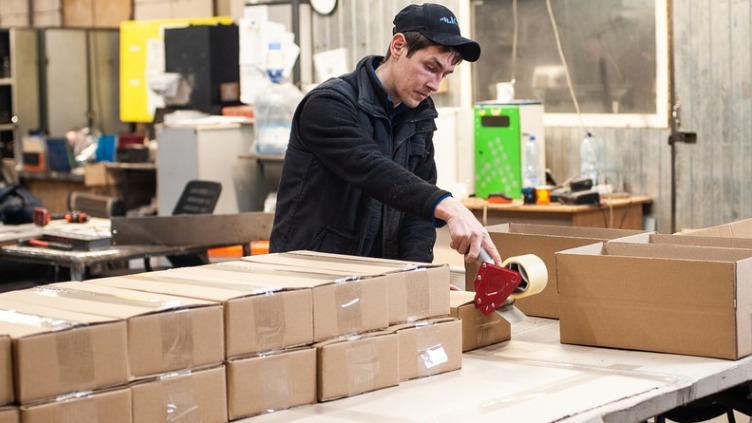
Tape Dispenser
Definition
A manual or electric device that dispenses tape for carton sealing, bundling, or packing tasks.
Overview
What a tape dispenser is
Tape dispensers are tools that hold, cut, and apply adhesive tape. They range from simple desktop units for light office tasks to heavy-duty, automated machines used in high-volume warehouses. In logistics, tape dispensers are fundamental for sealing cartons, securing pallets, and bundling items before shipping.
Why tape dispensers matter in logistics
Sealing is a deceptively simple step that affects package integrity, worker safety, and throughput. A consistent, reliable tape application reduces rework, prevents damage during transit, and speeds up packing lines. Innovations in tape dispenser design have focused on increasing speed, reducing operator fatigue, improving tape usage efficiency, and enabling integration with automated systems.
Types of tape dispensers commonly used
- Handheld/Manual tape guns: Lightweight tools for individual packers; they provide faster application than tear-off by hand and are common in e-commerce packing stations.
- Desktop/Office dispensers: Small units for low-volume tasks, useful at returns desks or small packing operations.
- Tabletop or bench dispensers: Stable devices that cut pre-measured lengths; used for tape measuring and bundling.
- Automatic case sealers: Machines that adjust to box height and automatically apply tape to top and bottom seams; used on packing lines for medium to high throughput.
- Automated, robotic applicators: Integrated into conveyors and robotic cells for fully automated packaging and sealing in modern fulfillment centers.
Recent innovations transforming logistics
Manufacturers and logistics teams have introduced several improvements that make tape dispensers more effective in modern operations:
- Automatic tension and precision cutting: New dispensers regulate tape tension electronically, ensuring consistent adhesion without over-stretching or tape breakage, which reduces waste and pack failures.
- Smart sensors and IoT connectivity: Sensors detect tape roll levels, machine jams, and misfeeds. Connected models can send usage data or reorder tape automatically, reducing downtime and stockouts.
- Ergonomic design: Lightweight materials, better handle geometry, and reduced trigger force lower repetitive strain injuries among packers, improving comfort and productivity.
- Noise reduction and safety guards: Quieter motors and safer blade enclosures improve work conditions, particularly on busy packing floors.
- Compatibility with sustainable tapes: Dispensers tuned for thinner or paper-based tapes help operations shift to recyclable materials without sacrificing performance.
- Modular and adjustable heads: Devices that adjust quickly for different box sizes or tape widths reduce changeover time on mixed-SKU lines.
- Integrated measuring and labeling: Some units combine tape application with measuring, bar-code labeling, or printing to streamline packing steps.
Practical impacts in the warehouse
Implementing modern tape dispenser technology yields measurable benefits:
- Higher throughput: Automatic sealers and fast handheld guns speed up sealing so staff can process more orders per hour.
- Lower labor strain: Ergonomic guns and reduced repetitive motion lower injury risk and sick leave.
- Consistent quality: Controlled tension and precision cutting reduce under- or over-taped boxes, decreasing returns and damaged goods.
- Cost savings: Better tape usage and less rework lower material and labor costs over time.
- Better sustainability: Support for thinner tapes and recyclable alternatives cuts waste and aligns with corporate sustainability goals.
Best practices for selection and implementation
- Match the dispenser to your volume: Use manual guns for low-to-medium volume stations; choose automatic sealers or robotic applicators for high-volume, repetitive lines.
- Choose the right tape: Pick tape type and width for your carton strength and handling needs; verify dispenser compatibility with tape thickness and core size.
- Ergonomics and training: Select ergonomic tools and train staff on correct body mechanics and safe blade handling to prevent injuries.
- Maintenance plan: Regular cleaning, blade replacement, and sensor checks prevent downtime. Track tape usage and inspect automatic feeders frequently.
- Integrate with processes: For automatic systems, align conveyor speeds, box squaring stations, and upstream packing rhythms to avoid bottlenecks.
- Monitor KPIs: Track throughput, tape consumption per order, reject rates, and injury reports to evaluate ROI and identify improvement areas.
Alternatives and when to use them
Tape is not the only sealing method. Strapping, stretch wrap, glue, or heat-seal methods may be preferable for pallets, heavy loads, or products requiring tamper-evident seals. However, tape remains the fastest and most cost-effective option for most carton-level sealing tasks. Choosing between methods depends on cost, protection needs, and automation goals.
Common mistakes to avoid
- Buying the fanciest machine without assessing volume: Over-automation can be costly for low-volume operations.
- Ignoring tape specification: Using the wrong tape thickness or adhesive type causes poor seals or frequent breaks.
- Neglecting maintenance: Dirty sensors, dull blades, and unlubricated parts cause jams and slowdowns.
- Poor placement of dispensers: Positioning dispensers awkwardly can introduce ergonomic issues and slow operators.
- Skipping staff training: Even simple devices need correct use to achieve consistency and safety.
Real-world examples
Example 1: A mid-sized e-commerce fulfillment center replaced manual tear-off tape usage with ergonomic handheld tape guns and saw a 20% increase in packing throughput and a drop in wrist complaints among staff.
Example 2: A distribution center integrated automatic case sealers with adjustable heads and smart sensors; box sealing time dropped by half and scrap tape usage decreased by 15% due to precise cuts and tension control.
When to consider upgrading
If you see frequent tape-related rework, rising injury reports, bottlenecks at sealing stations, or rapidly growing order volumes, it's time to evaluate newer dispenser models or automation. Payback often comes from labor savings, reduced material waste, and improved customer experience from better-protected shipments.
Quick starter checklist
- Audit current sealing steps and measure pack rates and tape usage.
- Select dispenser types per station volume and product mix.
- Standardize tape specs across operations where possible.
- Train staff on safe, ergonomic use and establish routine maintenance.
- Monitor KPIs after rollout and adjust configurations as needed.
With thoughtful selection, training, and maintenance, modern tape dispensers are a small investment that can deliver outsized improvements in speed, safety, and sustainability for logistics operations. They may look simple, but the right dispenser is a powerful lever for operational efficiency.
Sources And Additional Reading (3)
- Ecommerce Fulfillment
“Ecommerce Fulfillment.” ShipBob, https://www.shipbob.com/blog/ecommerce-fulfillment/.
- Warehouse Management System
“Warehouse Management System.” Tecsys, https://www.tecsys.com/solutions/warehouse-management/.
- Returns Resources
“Returns Resources.” Optoro, https://www.optoro.com/resources/.
More from this term
Looking for a 3PL?
Compare warehouses on Racklify and find the right logistics partner for your business.