
The Future of Non-Hazardous Liquid Transportation and Storage
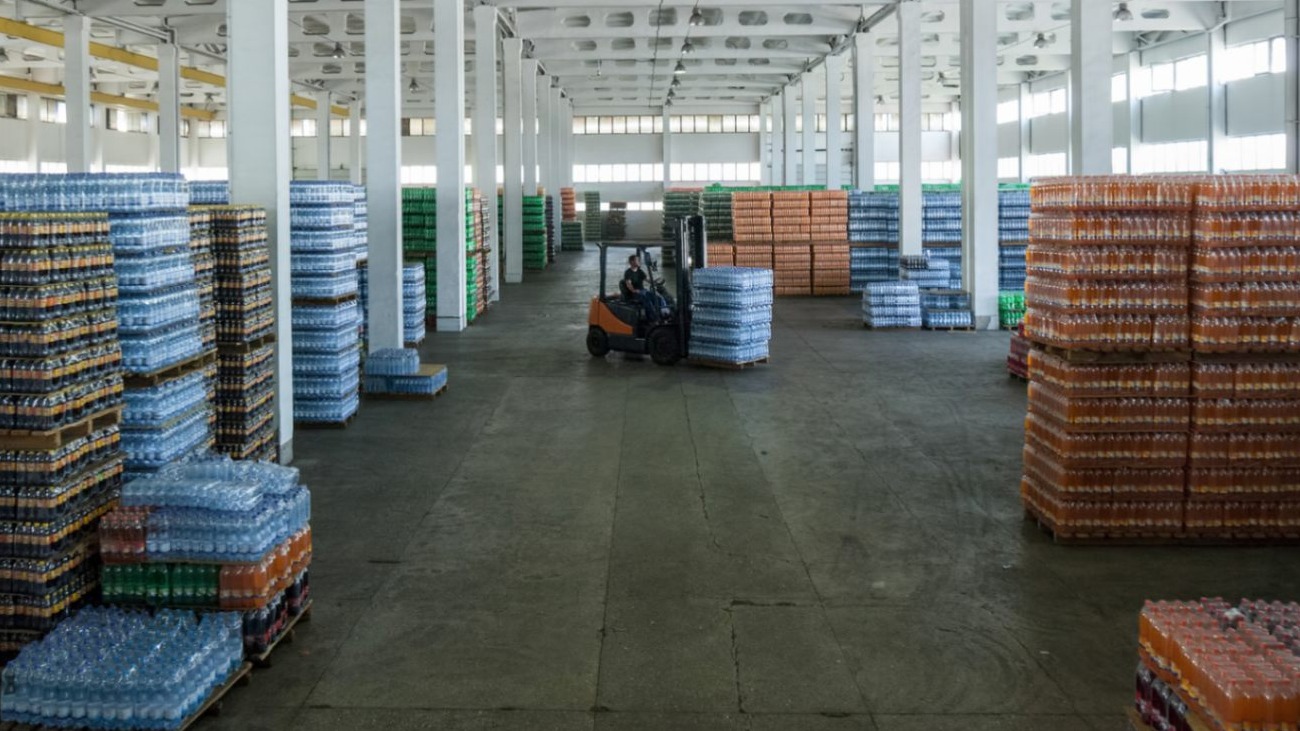
Non-Hazardous Liquid
Definition
A non-hazardous liquid is a fluid that does not meet regulatory criteria for hazardous materials and poses minimal risk to health, safety, or the environment under normal handling. These liquids can generally be stored, transported, and disposed of using standard precautions, though basic measures such as containment, labeling, and spill cleanup are still recommended.
Overview
What is a non-hazardous liquid?
Non-hazardous liquids are fluids that, under expected conditions of handling and transport, do not meet criteria for classification as hazardous substances by regulatory bodies. Examples include water, many food-grade oils and syrups, diluted cleaning solutions, certain cosmetics, and industrial fluids that lack flammability, toxicity, corrosivity, or other dangerous characteristics.
Common types and packaging
Non-hazardous liquids are moved and stored in a range of containers depending on volume, product sensitivity, and cost considerations:
- Drums (metal or plastic) for moderate volumes and easy handling.
- Intermediate Bulk Containers (IBCs) or totes for palletized, reusable bulk handling.
- Flexitanks fitted into standard shipping containers for bulk non-hazardous liquids like edible oils.
- Tank trucks and rail tank cars for large-volume road or rail transport.
- Storage tanks (aboveground or underground) in terminals or manufacturing sites for long-term bulk storage.
Why the future of transport and storage matters
Even though these liquids are non-hazardous, efficient and safe handling remains essential to prevent product loss, contamination, spills, and supply chain disruption. The future outlook is shaped by three main drivers: sustainability (reducing emissions and waste), digitalization (better visibility and automation), and resilience (handling variability in demand and disruptions).
Key trends shaping the future
- Digital visibility and tracking: The widespread adoption of Transportation Management Systems (TMS), Internet of Things (IoT) sensors, and cloud-based platforms gives real-time location, temperature, and fill-level data. For example, food-grade liquids can be monitored for temperature excursions to avoid spoilage.
- Smart packaging and containers: Reusable IBCs with embedded sensors, tamper-evident seals, and QR codes improve traceability and reduce waste. Flexitank improvements also enable safer bulk sea shipments of non-hazardous liquids with reduced single-use packaging.
- Sustainable transport modes and fuels: Modal shifts to rail or short-sea shipping for long-haul moves, and cleaner truck technologies (electric trucks, hydrogen fuel cells, renewable diesel) will reduce carbon footprints. Route optimization, consolidation, and backhaul efficiencies also reduce emissions per unit moved.
- Automation in warehouses and terminals: Autonomous forklifts, conveyor systems, and robotic palletizers speed handling of drums and IBCs, reducing handling damage and improving throughput.
- Regulatory and voluntary standards: While non-hazardous liquids are not subject to hazardous-goods rules, increased focus on spill prevention, wastewater management, and packaging waste reduction means companies will follow stricter environmental and quality standards.
- Resilience and supply chain flexibility: On-demand and distributed storage models (smaller local tanks or fulfillment points) help companies respond to fluctuations in demand while lowering transit times.
Practical best practices for storage and transportation
For beginners, focusing on a few core practices will deliver most benefits:
- Understand product compatibility: Store like-with-like. Some non-hazardous liquids can still react, discolor, or contaminate others if mixed—segregate accordingly.
- Choose the right container: Match material and construction to the liquid (e.g., food-grade plastics for edible products, UV-stable containers for light-sensitive fluids).
- Ensure secondary containment: Use bunds, spill trays, or containment pallets to manage leaks and prevent site contamination.
- Monitor conditions: Use temperature, humidity, and level sensors where product quality is sensitive. Connect sensors to alerts so staff can act quickly on excursions.
- Train personnel: Even for non-hazardous liquids, proper loading, unloading, and lifting technique reduces accidents and product loss.
- Document and label: Maintain clear labeling, batch records, and handling instructions to support traceability and quality control.
Common mistakes to avoid
Beginners often make avoidable errors that lead to damage, spoilage, or higher costs:
- Using inappropriate containers or reusing single-use packaging without proper cleaning or certification.
- Failing to segregate materials that are incompatible due to odor transfer, contamination risk, or quality degradation.
- Neglecting secondary containment or environmental controls, which magnify consequences of spills and leaks.
- Poor documentation of lot numbers or temperature records, making recalls or quality investigations costly.
- Overlooking total landed cost by focusing only on per-unit transport price rather than damage rates, storage fees, and waste.
Example scenarios
To ground the ideas, here are a few practical examples:
- Food-grade syrup: A beverage company moves syrup in IBCs. By adding temperature sensors and integrating data into its WMS, the company reduced spoilage and gained traceability to batch level.
- Edible oil export: A packer shifts from multiple small drums to flexitanks for overseas shipments. This cut packaging waste and lowered per-liter transport cost, while still meeting sanitary requirements through certified cleaning protocols.
- Industrial rinse water: A manufacturer uses aboveground holding tanks with secondary containment and automated level alarms to prevent overflows and meet local environmental permits.
How to choose a logistics partner
When selecting carriers or storage providers for non-hazardous liquids, consider these criteria:
- Experience with the product type and required handling standards (food-grade, pharmaceutical, etc.).
- Availability of appropriate packaging and container cleaning/certification services.
- Digital capabilities for tracking and documentation—visibility reduces risk and supports customer service.
- Environmental and safety practices, including spill response plans and waste handling procedures.
- Cost transparency—look for clear fees for cleaning, requalification, storage, and returns.
Looking forward
Expect continued momentum toward smarter, greener, and more resilient systems. For non-hazardous liquids this means wider adoption of reusable and sensor-enabled containers, better transport consolidation, and more flexible local storage to shorten supply chains. These shifts will lower costs, reduce environmental impact, and improve product quality—benefits that even small operators can tap into by prioritizing traceability, appropriate containment, and partnerships with digitally capable logistics providers.
Quick starter checklist for beginners
1) Identify product-specific requirements (food-grade, temperature sensitivity).
2) Choose the correct container and verify cleaning/validation processes.
3) Ensure secondary containment and spill plans.
4) Implement basic tracking (batch numbers, dates).
5) Work with carriers who can provide condition monitoring and clear documentation.
6) Review sustainability options like reusable IBCs, consolidation, and cleaner transport modes.
With these basics in place, businesses can take advantage of evolving technologies and sustainability practices that make non-hazardous liquid logistics safer, cheaper, and more environmentally friendly over time.
Sources And Additional Reading (3)
- Intermediate Bulk Containers
“Intermediate Bulk Containers.” Greif, https://www.greif.com/products/intermediate-bulk-containers/.
- ECOBULK IBCs
“ECOBULK IBCs.” SCHÜTZ, https://www.schuetz-packaging.net/en/products/ecobulk/.
- Intermediate Bulk Containers
“Intermediate Bulk Containers.” Mauser Packaging Solutions, https://mauserpackaging.com/products/intermediate-bulk-containers/.
More from this term
Looking for a 3PL?
Compare warehouses on Racklify and find the right logistics partner for your business.