
The Future of Oversized Freight in Global Supply Chain Logistics
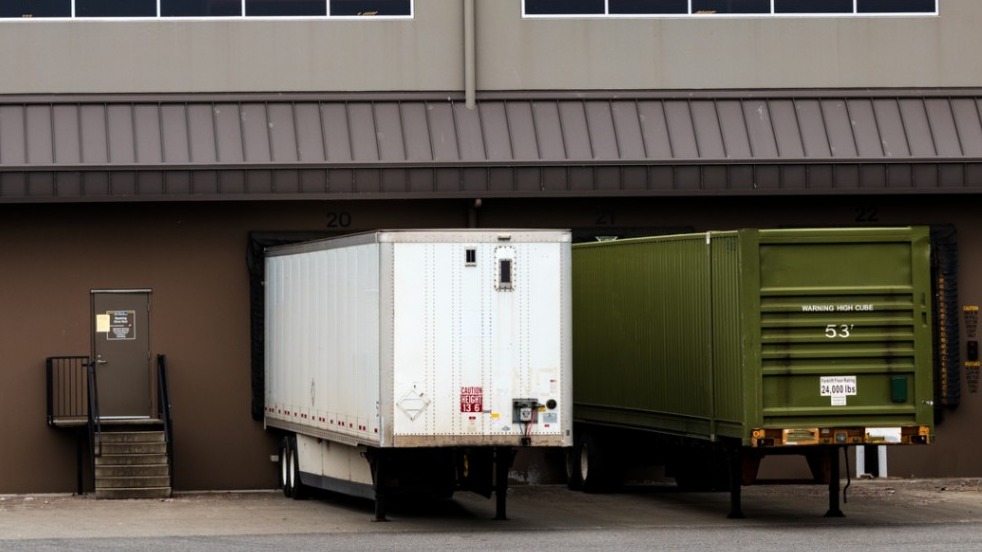
Oversized Freight
Definition
Oversized freight is cargo whose weight or dimensions exceed standard legal or carrier limits for regular transport. It requires special equipment, routing, permits, and sometimes escort vehicles to move safely and compliantly.
Overview
Oversized freight describes cargo that is too large, too heavy, or too long for standard freight equipment and legal road limits. Examples include wind turbine blades, power transformers, bridge sections, modular building modules, and large industrial machinery. Moving oversized freight requires specialized trailers and lifting gear, route planning and surveys, permits, sometimes police or pilot car escorts, and close coordination among shippers, carriers, ports, and authorities.
Understanding the future of oversized freight means looking at drivers, operational realities, and innovations that will change how these loads move from origin to destination. For beginners, think of oversized freight as shipments that act more like moving construction sites than typical boxed pallets — they need bespoke solutions at every stage.
Why oversized freight matters
- Strategic projects: Sectors such as renewable energy (wind turbines, hydro equipment), power transmission (transformers), oil & gas, heavy manufacturing, and large-scale construction depend on moving oversized components.
- Infrastructure growth: Urbanization and major public works create continuous demand for large modules and prefabricated elements.
- Supply chain complexity: Oversized freight is often a critical-path item — delays can halt entire projects, making reliability and planning vital.
Key challenges today
- Regulatory complexity: Permits, weight limits, and route restrictions vary widely by country and region, requiring time-consuming approvals and sometimes route engineering.
- Infrastructure constraints: Bridges, tunnels, rail clearances, port cranes, and road surface strength limit movement options and require advance surveys and sometimes infrastructure upgrades.
- Cost and risk: Specialized equipment, escorts, insurance, and slow transit increase cost. Accidents or delays carry outsized financial and reputational risks.
- Coordination needs: Oversized moves need synchronized timing among multiple parties — shippers, specialized carriers, police, utility companies (for line lifts), and receiving sites.
Emerging trends shaping the future
- Digitalization and data-driven planning: Route planning tools, 3D mapping, digital route surveys, and simulation software reduce surprises. Cloud-based platforms enable real-time coordination and faster permit submission. Expect broader use of digital twins to simulate oversized moves before execution.
- Permit automation and regulatory harmonization: Governments and industry bodies are investing in digital permit systems and cross-border frameworks. Faster, standardized permitting will decrease lead time and uncertainty for international oversized shipments.
- Advanced equipment and modular design: Specialized trailers (multi-axle hydraulic platforms), jacking systems, self-propelled modular transporters (SPMTs), and modular packaging methods will continue to evolve. At the same time, manufacturers are increasingly designing components to be modular or partially disassembled for transport.
- Intermodal optimization: Combining road, rail, and sea more efficiently — using rerouting to rail or coastal shipping where feasible — reduces road congestion and can lower cost and emissions for long-haul oversized moves.
- Automation and autonomy: Autonomous and remotely operated vehicles could be used for certain highway segments and dedicated corridors, improving safety and reducing labor constraints. Robotics and automated lifting in ports and yards will speed handling of very large items.
- Sustainability pressures: Carbon regulations and corporate ESG goals will push carriers and shippers to optimize routes, consolidate moves, and adopt cleaner propulsion (electric for short-range heavy trucks, hydrogen or biofuels for long-haul heavy-duty vehicles).
Practical best practices for shippers and carriers
- Begin planning early: Engage specialized carriers and local authorities well ahead of the required delivery date to secure permits and conduct route surveys.
- Invest in accurate measurements and simulations: Use 3D scans, weight calculations, and digital route modeling to identify constraints and mitigation measures before mobilization.
- Modularize where possible: Work with equipment manufacturers to design components that can be disassembled or nested for transport, reducing need for exceptional permits.
- Coordinate stakeholders: Create a single communications hub for all parties involved, including ports, police, utilities, and site managers to synchronize timing and reduce downtime.
- Plan for contingencies: Build time and budget buffers for weather, permit delays, and on-route incidents. Secure contingency lifting and storage options if rerouting becomes necessary.
Common mistakes to avoid
- Underestimating permit timelines and regulatory variance across jurisdictions.
- Failing to engage local authorities or utility companies early for line lifts or road closures.
- Poor packaging or insufficient bracing, which can lead to damage or safety incidents.
- Assuming a single transport mode will be optimal for the entire route without considering intermodal options.
Real-world examples
- Wind farms: Transporting long blades has driven innovation in trailer design, route mapping, and night-time moves to reduce traffic disruption.
- Transformer moves: Power utilities often require port-to-site multimodal logistics and close coordination with grid operators for installation timing.
- Modular construction: Prefabricated housing modules are shipped long distances and installed rapidly on arrival, reducing on-site work but increasing oversized logistics activity.
Outlook — what to expect in the next decade
Global demand for oversized freight is likely to grow in regions investing heavily in energy infrastructure (renewables and transmission), large-scale manufacturing, and urban development. Technology will reduce some of the friction points: faster permits through digital systems, better predictive routing via AI, and safer, more efficient handling through automation. At the same time, infrastructure constraints and regulatory complexity will remain important limits, so investing in cross-sector collaboration (public/private) and supply chain visibility will be critical.
For beginners, the key takeaway is this: oversized freight will remain a specialized but increasingly modernized segment of logistics. Success depends on early planning, embracing digital tools, working with experienced partners, and designing products and routes with transport in mind. As renewable energy, modular construction, and megaprojects expand globally, the role of oversized freight will grow — but so will the tools to move it more reliably, safely, and sustainably.
More from this term
Looking for a 3PL?
Compare warehouses on Racklify and find the right logistics partner for your business.