

TRU Basics: How a Transport Refrigeration Unit Works
TRU (Transport Refrigeration Unit)
Definition
A Transport Refrigeration Unit (TRU) is a self-contained cooling system mounted on trucks, trailers, or containers to maintain controlled temperatures for perishable cargo during transit. It regulates temperature, humidity, and air circulation—using engine-driven or electric power—to protect food, pharmaceuticals, and other temperature-sensitive goods from spoilage.
Overview
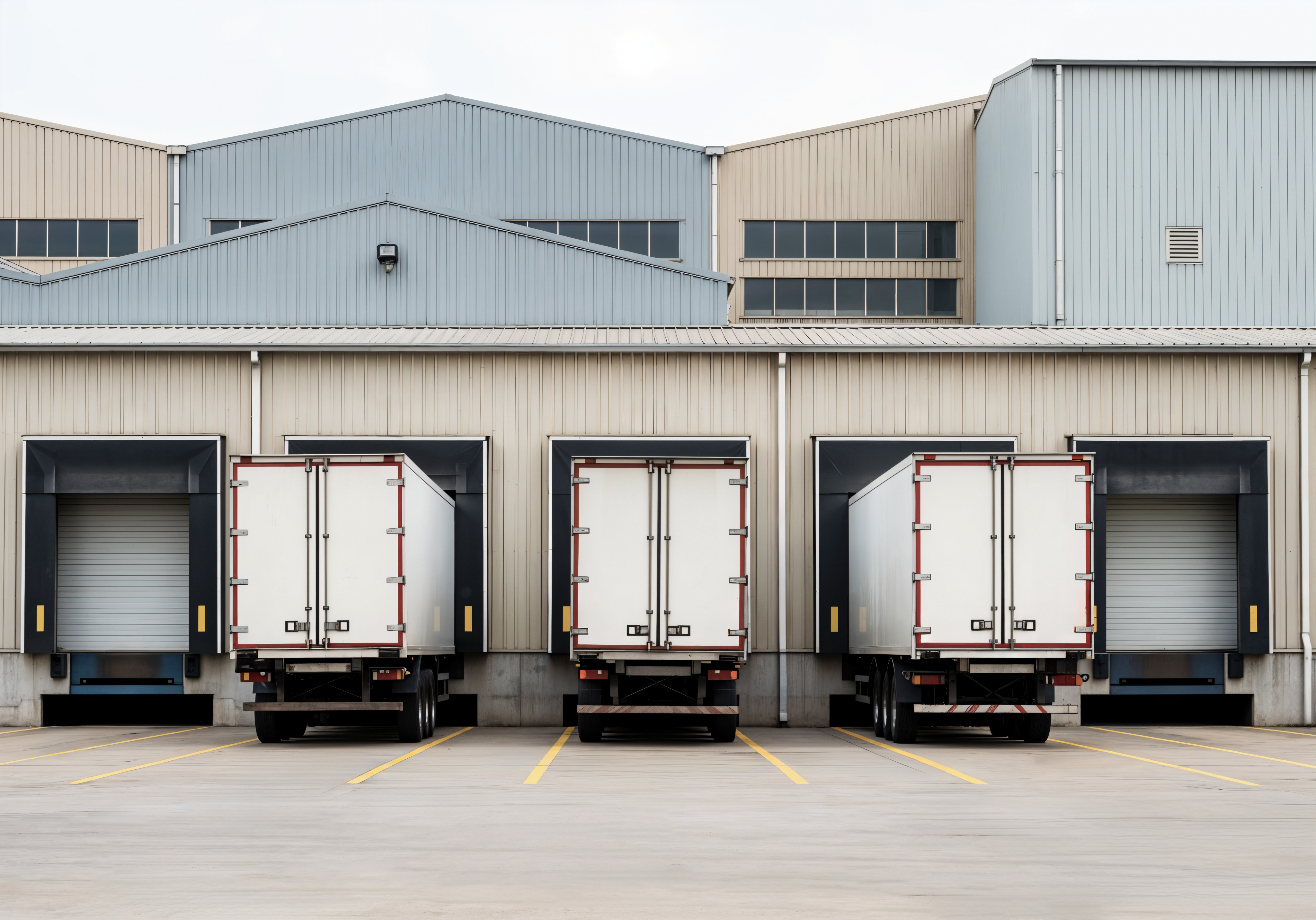
TRU (Transport Refrigeration Unit) is the refrigeration equipment used to keep temperature-sensitive cargo within prescribed ranges while being moved by road, rail, or sea. For a beginner, think of a TRU as a refrigerator built for vehicles: it protects fresh produce, dairy, frozen goods, pharmaceuticals, and other perishables from spoilage by maintaining a stable environment from pickup to delivery.
The basic components of a TRU mirror those of any refrigeration system but are ruggedized for transport and variable conditions. Key parts include:
- Compressor: The engine of the system that pressurizes the refrigerant and circulates it through the circuit.
- Condenser: Releases heat from the high-pressure refrigerant to the outside air.
- Expansion device: Lowers refrigerant pressure, causing cooling in the evaporator.
- Evaporator / Air handler: Absorbs heat from the cargo space and distributes cooled air.
- Control system: Thermostats, sensors, and electronic controllers that monitor temperature and manage setpoints, defrost cycles, and alarms.
- Power source: A TRU usually runs on diesel (genset), vehicle engine power through a PTO (power take-off), electric standby, or hybrid combinations.
How a TRU operates — step by step, in plain terms:
- Set the desired temperature on the controller based on the cargo’s requirements.
- The compressor pressurizes refrigerant and sends it to the condenser; heat is expelled to ambient air.
- The high-pressure refrigerant goes through the expansion device into the evaporator where it absorbs heat from the cargo area.
- Cooled air is circulated through the cargo space by fans; sensors monitor temperatures and report to the controller.
- If temperatures stray from setpoints, the controller adjusts the compressor or fans, and triggers alarms if problems persist.
TRUs must handle a range of real-world variables: changing ambient temperatures, frequent door openings, variable loading patterns, and long idle times. Modern units use electronic controllers and telematics to provide continuous monitoring, remote alerts, and performance data — useful for ensuring compliance and quick troubleshooting.
Common applications of TRUs include:
- Food distribution: transporting fruits, vegetables, meat, dairy, and frozen foods between farms, processors, and retailers.
- Pharmaceuticals: maintaining strict temperature ranges for vaccines, biologics, and medicines.
- Specialty cargo: floriculture, fine art (temporary climate control), and chemicals that require temperature control.
Beginners should be aware of a few practical concepts:
- Setpoint vs. product temperature: The controller setpoint is a target, but the actual temperature experienced by the product depends on load distribution, airflow, and insulation. Temperature sensors should be placed near the goods, not just in the air duct.
- Pre-cooling: Starting with a properly pre-cooled trailer reduces warm-up time and stabilizes the environment faster after loading.
- Airflow: Avoid blocking evaporator coils or airflow paths — proper air circulation around pallets ensures uniform temperatures.
Real-world example: A produce shipper sets a TRU to 2–4°C for chilled lettuce. If the trailer wasn’t pre-cooled or pallets are placed too close to the evaporator, the product near the doors might warm above safe limits. Telematics alerts that show a rising temperature let the driver take action (close doors, activate high-power mode, or return to a cooler facility), preventing spoilage.
Environmental and regulatory notes: Refrigerants and emissions are subject to regulation. Newer TRUs use lower-GWP refrigerants and electric options to reduce emissions and comply with idling restrictions in urban areas. Proper maintenance and leak management are also important both for safety and regulatory compliance.
In summary, a TRU (Transport Refrigeration Unit) is an essential tool in the cold chain. For beginners: focus on understanding the basic components, how temperature is controlled, and the practical behaviors (pre-cooling, airflow, monitoring) that ensure perishable cargo remains safe and high quality during transport.
More from this term
Looking For A 3PL?
Compare warehouses on Racklify and find the right logistics partner for your business.
Processing Request