
Turning Risk into Control: Mastering Hazmat Reverse Logistics
hazmat reverse logistics
Definition
Hazmat reverse logistics is the process of safely collecting, transporting, inspecting, treating, and disposing or recycling hazardous materials that are returned, damaged, or at end-of-life. It focuses on secure packaging, chain-of-custody, documentation, and strict regulatory compliance to protect people, property, and the environment.
Overview
What is hazmat reverse logistics?
Hazmat reverse logistics refers to the set of processes, controls and decisions used to manage hazardous materials and wastes that move backward through the supply chain — from customers, production lines, or distribution centers back to a factory, specialized facility, or disposal site. Unlike standard reverse logistics for consumer returns, hazmat returns require specialized handling to protect people, property and the environment and to comply with complex regulations.
Why it matters (beginner-friendly)
When hazardous products are returned or become waste, they pose immediate safety and regulatory risks: chemical spills, fire, environmental contamination, fines, and reputational damage. Proper hazmat reverse logistics turns those risks into predictable processes, reducing costs associated with accidents, regulatory penalties, and inefficient disposal. It also unlocks value by enabling safe recycling, recovery of reusable components, or redirection to approved remediation channels.
Key components of an effective hazmat reverse logistics program
- Classification and triage: Identify what was returned — chemical composition, physical state (liquid, gas, solid), hazard class, and compatibility. Triage determines immediate actions (isolate, neutralize, or transfer) based on risk.
- Regulatory compliance: Follow applicable rules (examples include DOT/PHMSA, EPA, OSHA, IATA for air, IMDG for sea) for transport, storage, labeling and disposal. Compliance affects documentation, training, and permitted carriers/facilities.
- Packaging and containment: Use certified packaging for transportation and interim storage, including secondary containment and overpacks when leaks or damage are possible.
- Segregation and storage: Store incompatible materials separately and in designated hazmat areas with appropriate ventilation, spill containment and emergency access.
- Transportation and carrier selection: Use carriers certified for hazmat transport; choose modes and routings that minimize risk and meet regulatory limits for quantities and packaging.
- Documentation and labeling: Ensure return paperwork includes Safety Data Sheets (SDS), proper shipping names, UN/NA numbers, hazard class, packing group and emergency contact information.
- Disposal, treatment, or reuse: Decide the end destination — approved landfill, incineration, chemical treatment, recycling, or product reclamation — based on substance characteristics and cost/environmental considerations.
- Incident response readiness: Have spill kits, emergency plans, trained responders and communication protocols in place at every node that handles returned hazmat.
Simple process flow (practical steps)
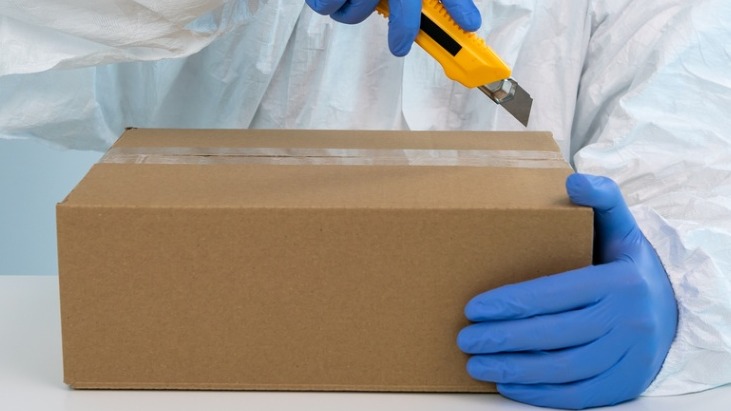
- Receive and isolate returns: Inspect packages before opening and move suspect items to a secure quarantine area.
- Identify and document: Match returns to SDS, record quantities, and capture photos/condition notes for regulatory reasons and insurance.
- Classify risk and decide disposition: Can it be restocked, reconditioned, recycled, or must it be treated/disposed?
- Package for movement: Apply proper containment, labeling and placarding if moving off-site.
- Transport using certified carriers: Ensure routing and documentation meet mode-specific regulations.
- Final treatment or return to inventory: Process according to the chosen disposition and update inventory and compliance records.
Regulatory landscape—what beginners should know
Rules vary by jurisdiction and transport mode, but key authorities include the U.S. Department of Transportation/PHMSA (ground transport), EPA (waste management), OSHA (worker safety), IATA (air) and IMDG (sea). These regulations define labeling, packaging, quantity limits, training, and recordkeeping. Start by obtaining and maintaining accurate SDS for every material and register any required manifests or permits for hazardous waste shipments.
Common mistakes to avoid
- Assuming returned items are non-hazardous—always verify against SDS and test if needed.
- Poor documentation—missing or incorrect paperwork leads to fines and delays.
- Mixing incompatible materials in storage or transport—this causes dangerous reactions.
- Inadequate training—employees must know how to recognize, handle, and triage hazardous returns.
- Using non-certified carriers or improper packaging—this increases liability and regulatory exposure.
Best practices for turning risk into control
- Standardize intake procedures: Use checklists, photos and SDS verification at the first point of contact.
- Segregated quarantine zones: Design dedicated spaces in your facility with clear signs, containment and limited access.
- Train regularly: Provide role-based hazmat training and tabletop drills for spill response and incident reporting.
- Use technology: Track returns with WMS/TMS modules or specialized hazmat management systems to maintain chain-of-custody and automate compliance paperwork.
- Partner with specialists: Engage licensed disposal, recycling and remediation vendors and verified carriers to manage complex streams.
- Measure and audit: Track incident frequency, return disposition costs, and regulatory non-compliance events; audit processes frequently.
Tools and metrics to monitor
Useful KPIs include number of hazmat returns per period, percentage safely reconditioned vs. disposed, time from receipt to disposition, cost per return, incident rate, and regulatory compliance events. Software integrations with WMS/TMS simplify documentation and provide visibility across the reverse chain.
Real-world example (brief)
A manufacturer receives damaged drums of solvent from a distribution center. Using a standardized intake, staff isolate the drums, verify the SDS, engage a certified hazardous waste carrier, and route the drums to a licensed recycling facility where the solvent is reclaimed. Proper labeling and documentation prevented a regulatory citation, reduced disposal costs, and recovered value through recycling.
Getting started checklist for beginners
- Create an intake checklist and quarantine protocol.
- Compile SDS for all products and train intake staff to use them.
- Identify local/regional licensed disposal and transport partners.
- Set up basic recordkeeping for returned hazmat (dates, quantities, SDS, disposition).
- Run a tabletop incident response drill and update your emergency plan.
Hazmat reverse logistics can feel daunting at first, but with clear processes, the right partners, responsible training, and appropriate technology, you can move from reactive firefighting to proactive control—keeping people safe, staying compliant, and recovering value where possible.
More from this term
Looking for a 3PL?
Compare warehouses on Racklify and find the right logistics partner for your business.