
Types of Distribution Channels and How They Work
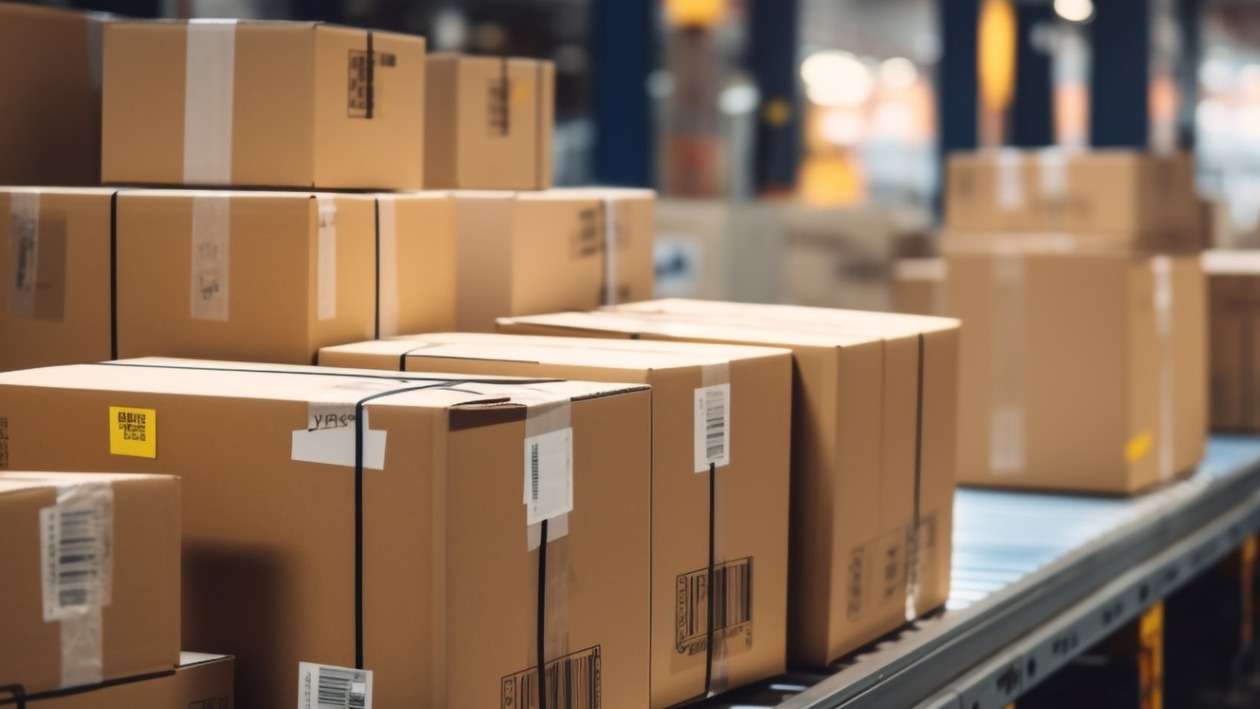
Distribution
Definition
Distribution is the process of moving and delivering goods from manufacturers or warehouses to retailers, customers, or other endpoints. It involves storage, transportation, inventory management, and order fulfillment to ensure products arrive at the right place, on time, and in good condition.
Overview
When you buy a product, it has traveled through a distribution channel. These channels are the pathways and intermediaries that move goods from producers to end users. Understanding the main types of distribution channels helps businesses choose the right approach for their products, markets, and budgets.
Here are the common distribution channel types, explained in beginner-friendly terms:
- Direct-to-consumer (D2C): The manufacturer sells directly to customers via a brand website, flagship stores, or sales teams. This gives full control over pricing, branding, and customer experience. Example: A craft soap maker sells through their online store.
- Retail distribution: Products flow through retail stores—either big-box chains, specialty shops, or local stores. Retailers buy from manufacturers or wholesalers and sell to customers. This model is valuable for broad physical presence but reduces control over pricing and presentation.
- Wholesale/distributor channels: Wholesalers purchase large quantities from manufacturers and resell to retailers or smaller businesses. They add value through bulk handling, storage, and regional coverage. Example: A food distributor supplies regional grocery stores.
- Broker or agent networks: Brokers connect manufacturers with buyers without taking ownership of products. They earn commissions and are common in specialized industries like industrial equipment or high-value commodities.
- Franchising: A franchisor distributes products or services through franchisees who operate local outlets under established brand rules. Franchising accelerates geographic expansion while leveraging local operators.
- Omnichannel and multichannel distribution: Multichannel means selling through several channels (online, retail, marketplaces). Omnichannel goes further by integrating these channels so customer experience is seamless—orders, returns, and inventory are synchronized across touchpoints.
- Drop-shipping and third-party fulfillment: Retailers sell products without holding stock; suppliers ship directly to customers or fulfill through third-party logistics providers (3PLs). This reduces inventory risk but can complicate control and branding.
Beyond these structural types, businesses also categorize distribution by intensity:
- Intensive distribution: Products are stocked almost everywhere (e.g., snacks, soft drinks) to maximize market coverage.
- Selective distribution: Only chosen retailers or regions carry the product, used for specialty goods where brand image and service matter.
- Exclusive distribution: Very limited outlets or a single distributor have the product, often for luxury items or highly controlled brands.
Choosing the right channel depends on several factors:
- Product type: Perishable goods need fast, local channels; luxury products often suit selective or exclusive distribution.
- Customer expectations: Do customers expect to touch the product (retail) or are they comfortable buying online?
- Control vs. reach: Direct channels give control but may limit reach; intermediaries expand reach but add complexity and margin sharing.
- Cost structure: Intermediaries add costs but can reduce the logistics burden on manufacturers.
Real-world examples help clarify choices. A startup making hand-crafted furniture may choose selective distribution through boutique stores and a direct website to protect brand image and provide customer service. A consumer packaged goods manufacturer sells intensively via wholesalers and supermarkets to reach as many buyers as possible.
Advantages and trade-offs:
- Direct channels: Better margins and brand control, but investment in marketing, fulfillment, and customer support is required.
- Distributor/wholesale channels: Faster market access and lower logistical burden, but reduced margins and less direct customer feedback.
- Marketplaces and e-commerce platforms: Instant access to large audiences with built-in traffic, but intense competition and platform fees.
Beginner mistakes when selecting channels include spreading too thin across many channels, ignoring channel conflict (where your channels compete against each other), and underestimating channel costs like handling, returns, and marketing support. A practical tip is to pilot a channel regionally or with a product line before committing to wide-scale rollout.
In summary, distribution channels determine how customers find and receive products. Align your channel strategy with your product characteristics, brand goals, and operational capabilities. A thoughtful mix—starting simply and expanding as you learn—helps balance reach, cost, and customer experience while building a scalable distribution network.
Sources And Additional Reading (3)
- Retail Industry Resources
“Retail Industry Resources.” National Retail Federation, https://nrf.com/resources.
- Third-Party Logistics (3PL): How It Works
“Third-Party Logistics (3PL): How It Works.” Shopify, https://www.shopify.com/enterprise/blog/third-party-logistics-3pl.
- Supply Chain Management Resources
“Supply Chain Management Resources.” CSCMP, https://cscmp.org/.
More from this term
Looking for a 3PL?
Compare warehouses on Racklify and find the right logistics partner for your business.