
What Is a Bonded Warehouse? How It Works For U.S. Importers
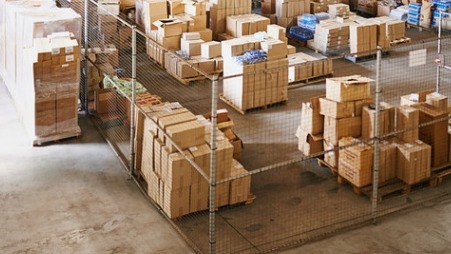
bonded warehouse
Definition
A bonded warehouse is a secured facility authorized by customs where imported goods can be stored without payment of duties until they are released for domestic consumption or exported. Businesses use bonded warehouses to defer duty payments, consolidate shipments, and complete customs formalities.
Overview
Bonded Warehouse A warehouse authorized for storing imported goods before duties or taxes are paid. In U.S. trade practice this is a customs-supervised facility where importers can hold merchandise while deciding whether to pay duties and enter the goods for consumption, re-export them, or destroy them under customs authority.
Bonded warehouses sit at the intersection of logistics and customs compliance: they combine physical storage with legal controls. The operator must meet Customs and Border Protection (CBP) requirements, maintain bonds and records, and allow access for inspections. For importers and 3PLs the primary business benefit is cash flow management — duties are deferred until goods leave the bonded area — but the arrangement also affects inventory strategy, security, and paperwork.
How Bonded Warehouses Operate
Customs authorizes a licensed facility to operate as bonded, and an importer or warehouse operator posts a customs bond guaranteeing payment of duties, taxes, and potential penalties. Goods arrive under customs entry and are transferred into bonded status rather than being immediately cleared for U.S. consumption. While in bond the merchandise remains under CBP supervision, which includes sealed packages, restricted access areas, and retention of specific records. When the importer later decides to withdraw goods for consumption, duties are paid at the point of withdrawal; alternatively, goods can be re-exported without duties, or destroyed under customs oversight.
Who Uses Bonded Warehouses And Why
Importers with seasonal inventory, goods awaiting classification, or merchandise intended for re-export use bonded warehouses to manage cash flow and mitigate duty risk. Freight forwarders and 3PLs operate bonded facilities to offer value-added services—inspection, consolidation, repackaging—without forcing immediate duty payment. Retailers may store new season goods in bond until a sales cycle begins. Manufacturers sometimes keep imported inputs in bond while they complete production and then pay duties only on finished goods that enter the U.S. market.
- Cash Flow: Duties are deferred until withdrawal, freeing working capital for operating expenses or production.
- Duty Avoidance For Re‑Export: Re-exported goods can leave without duties being assessed, important for transshipment and regional distribution strategies.
- Classification And Testing: Time to resolve tariff classification or testing issues before committing to duty payments.
Key Compliance And Documentation Requirements
Operators and importers must follow strict recordkeeping rules and make documentation available to CBP for audits or examinations. Typical documentation includes the customs entry, bill of lading, invoice, packing list, warehouse receipts, and evidence of bond coverage. Records must show chain of custody — when goods entered bond, any handling performed, and the date and manner of withdrawal. Failure to maintain accurate records or to produce goods on demand can result in fines, seizure, or revocation of bonded status.
- Bonding: A customs bond or other security covers duties, taxes, and penalties while goods remain in bond.
- Warehouse Receipts: Documents that evidence custody and location of goods inside the bonded area.
- CBP Access: Facilities and records must be available for inspection and audit by customs officers.
How Bonded Warehouses Vary
Bonded warehouses differ by operator type, permitted activities, and security level. Some facilities are public bonded warehouses that any importer can use; others are privately bonded for a single importer’s exclusive use. Certain bonded locations allow value-added processing — relabeling, kitting, or light assembly — while others restrict handling to storage only. The terms of the customs bond and the classification of goods also affect how long merchandise may remain in bond.
- Public vs Private: Public warehouses serve multiple clients; private warehouses are for a single importer’s goods and often have different bond and reporting rules.
- Permitted Operations: Some bonded warehouses permit non‑destructive inspection and repackaging; others allow no manipulation beyond storage.
- Time Limits: Laws and regulations may set maximum periods for how long goods can remain in bond without special permission.
Practical Example
An apparel importer receives a container of sweaters in January but plans to launch the line in September. The importer places the shipment in a bonded warehouse. While the goods are in bond they are stored, inspected, and repackaged into retail units. In August the importer withdraws small lots into the U.S. market and pays duties only on those units. Meanwhile the unsold inventory can be re-exported to a sister company overseas without paying U.S. duties.
Tips For Importers And Warehouse Managers
- Audit Ready: Keep detailed inbound/outbound logs and digital copies of all customs entries and bonds to speed CBP examinations.
- Choose The Right Operator: If you need light manufacturing or kitting, confirm the bonded facility’s permitted operations in writing before shipping.
- Coordinate With Customs Broker: Use an experienced customs broker to ensure bond coverage and correct entry procedures to avoid inadvertent duty collection.
In short, the Bonded Warehouse provides a regulated way to store imported goods while deferring duty payment, supporting cash-flow planning, re-export strategies, and conditional processing under customs supervision. Proper selection of a bonded operator, rigorous recordkeeping, and alignment with customs brokers are essential to realize the benefits without compliance risk.
Sources And Additional Reading (4)
- U.S. Customs and Border Protection
“U.S. Customs and Border Protection.” U.S. Customs and Border Protection, https://www.cbp.gov/.
- Importing into the United States: A Guide for Commercial Importers
“Importing into the United States: A Guide for Commercial Importers.” U.S. Customs and Border Protection, https://www.cbp.gov/trade/basic-import-export/importing-commercial-goods.
- Foreign Trade
“Foreign Trade.” U.S. Census Bureau, https://www.census.gov/foreign-trade/.
- World Customs Organization
“World Customs Organization.” World Customs Organization, http://www.wcoomd.org/.
More from this term
Looking for a 3PL?
Compare warehouses on Racklify and find the right logistics partner for your business.