
What Is Leakproof Packaging? Definition, Uses, and Standards
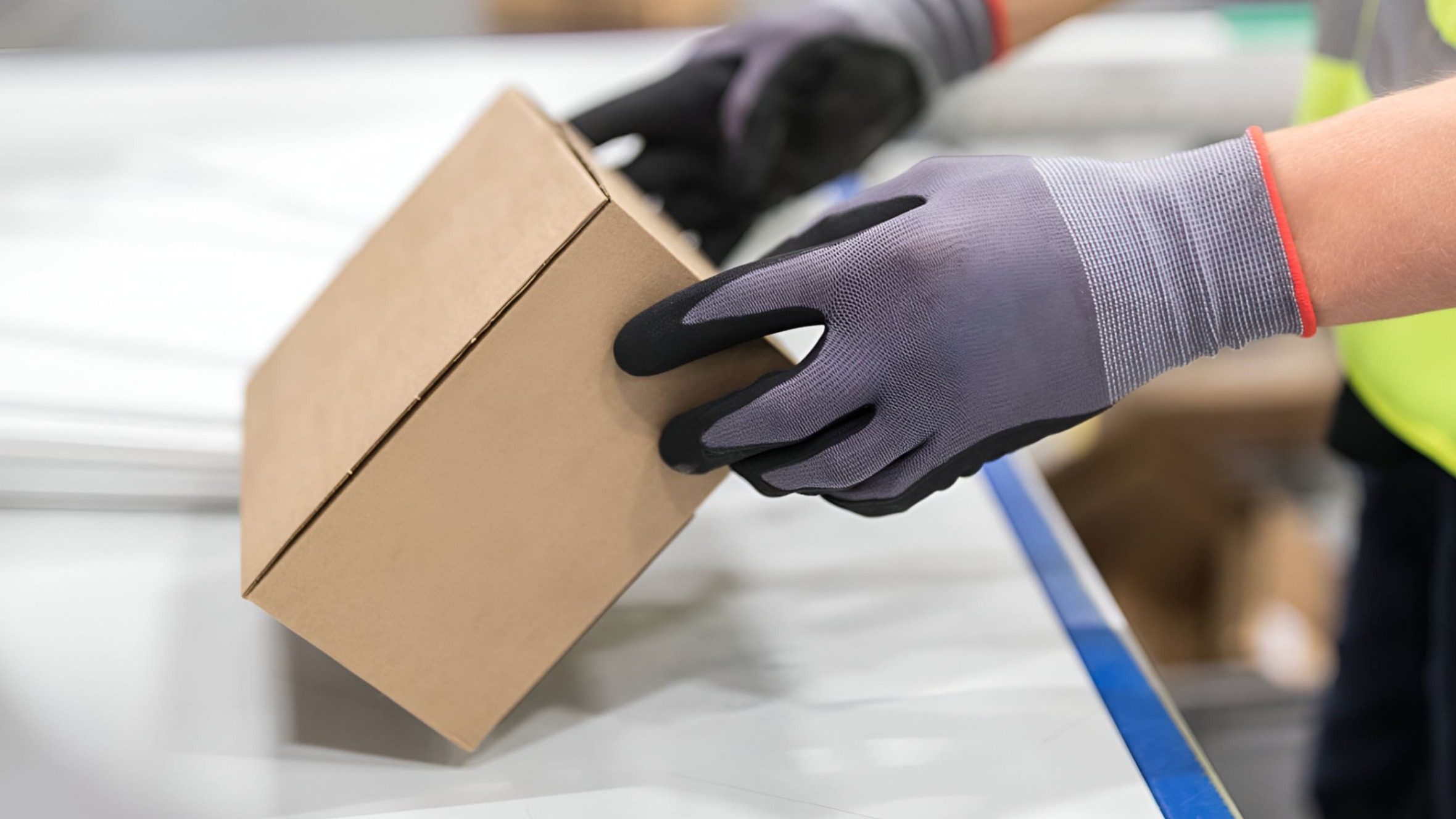
Leakproof Packaging
Definition
Leakproof packaging is packaging engineered to prevent liquids, gels, or semi-liquid contents from escaping during storage, handling, and transport. It relies on secure seals, barrier materials, and robust closures to protect the product, surrounding shipments, and the environment from contamination or damage.
Overview
Leakproof Packaging — Packaging designed to contain liquids and prevent leakage during normal storage, handling, and transportation.
Leakproof packaging is a design and materials specification applied to packages that carry liquids, semi-liquids, or products with liquid components. The objective is to stop any migration of liquid out of the package during routine supply chain activities: racking, palletizing, truck transit, staging at dock doors, and short-term storage. For supply-chain professionals the topic spans engineering (seal selection, closure torque), materials (liners, films, coatings), regulatory compliance (hazmat containment, food contact), and operational practices (inspection, pallet patterns, testing).
Why Leakproof Packaging Matters
Leaks create direct cost and liability: product loss, rework, shipment refusal, contaminated freight, freight claims, and customer returns. Indirect costs are significant as well — damaged packaging increases handling time, creates slip hazards in warehouses, risks cross-contamination of other SKUs, and can trigger regulatory fines for mishandled hazardous materials. For food, pharma, and chemical lines, a single leak can damage brand trust and require expensive recalls.
How Leakproof Packaging Works
Leakproofing is achieved by combining package geometry, sealing methods, materials, and secondary containment. Common approaches include welded or induction-sealed film pouches, injection-molded rigid containers with tested screw closures, liner systems inside drums and carboys, and multi-layer films with barrier coatings. Secondary containment such as overpack drums, sealed trays, or absorbent inserts adds fail-safe protection for high-risk shipments.
Standards And Testing
Manufacturers and shippers rely on testing standards to validate leakproof performance. Transit simulation (vibration, shock, compression), pressure/vacuum tests for closures, and immersion or drip tests are common. Organizations that set or publish relevant test methods include ISTA for transit testing and ASTM for material and seal tests. Hazardous material regulations referenced by DOT/PHMSA require certain packagings to pass performance tests before they can be used for regulated liquids.
Common Materials And Components
- Rigid Plastics: High-density polyethylene (HDPE) and polypropylene bottles and drums are common for chemicals and food-grade liquids because of chemical resistance and predictable closures.
- Flexible Films: Multi-layer polyethylene or PET-PE laminates are used for pouches and liners, offering low vapor transmission and weldable seals.
- Seals And Closures: Induction seals, heat welds, tamper-evident caps, and gasketed screw caps provide primary containment.
- Secondary Containment: Overpacks, sealed pallets, absorbent pads, and bunding reduce risk when primary packaging fails.
How It Varies By Industry
Food and beverage prioritize food-contact safe materials and barrier properties to prevent flavor transfer and microbial ingress. Pharmaceuticals need validated containment and traceability for sterility and dosing. Industrial chemicals emphasize chemical compatibility, pressure resistance, and compliance with hazardous materials packaging tests. Cold chain liquids factor in freeze-thaw resilience and brittleness at low temperatures.
Who Is Responsible For Ensuring Leakproof Packaging
Responsibility is shared. Manufacturers must design and test packaging suitable for the product. Warehouses and 3PLs should verify incoming packaging integrity, follow inbound handling rules, and use approved pallet patterns. Carriers must handle freight per service terms and regulations. When hazardous materials are involved, shippers must also certify packagings and provide correct documentation under DOT/PHMSA rules.
Practical Warehouse Examples
A beverage producer moved from glass returnable bottles to capped HDPE jugs with induction seals to reduce breakage-related leaks. A chemical distributor switched to lined steel drums with leak-detection vents and used overpack barrels for bulk transport. A food manufacturer added absorbent pallet liners and top-sheet containment when shipping liquid concentrates to reduce claims from spilled cases.
Operational Tips For Managers
- Inspect Incoming Loads: Check seals, closures, and liners before accepting pallets into the warehouse.
- Use Secondary Containment: Apply trays, overpacks, or shrink-wrap protocols for high-risk liquids.
- Train Handlers: Teach dock and pick-pack staff correct handling and torque specs for closures.
- Test Regularly: Work with suppliers to see test reports (ISTA, ASTM) that demonstrate performance for expected transit conditions.
In short, the Leakproof Packaging approach combines materials science, validated sealing methods, and practical containment measures to protect product, people, and property from liquid loss during normal storage, handling, and transportation.
Sources And Additional Reading (4)
- Spill Prevention, Control, and Countermeasure (SPCC) Rule
“Spill Prevention, Control, and Countermeasure (SPCC) Rule.” U.S. Environmental Protection Agency, https://www.epa.gov/oil-spills-prevention-and-preparedness-regulations/spill-prevention-control-and-countermeasure-rule.
- Hazardous Materials
“Hazardous Materials.” U.S. Department of Transportation — Pipeline and Hazardous Materials Safety Administration, https://www.phmsa.dot.gov/hazmat.
- International Safe Transit Association (ISTA)
“International Safe Transit Association (ISTA).” International Safe Transit Association, https://www.ista.org/.
- ASTM International
“ASTM International.” ASTM International, https://www.astm.org/.
More from this term
Looking for a 3PL?
Compare warehouses on Racklify and find the right logistics partner for your business.