
What is Scan-to-Pack? (Definition & Core Concept)
Scan-to-Pack
Definition
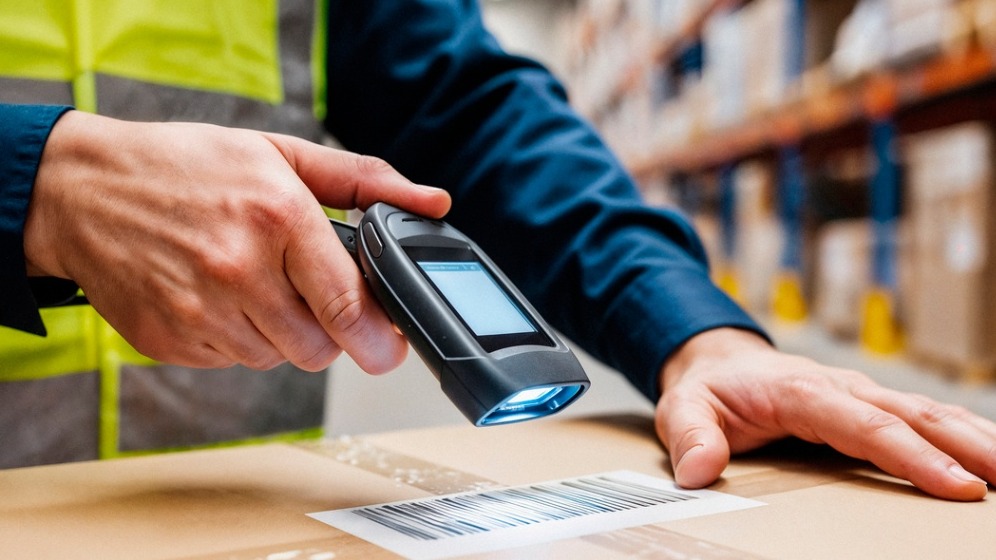
Scan-to-Pack is a warehouse process where each picked item is scanned at the packing station to confirm the correct SKU and quantity before shipment. It leverages barcode or RFID scanning integrated with a WMS to reduce errors, improve order accuracy, and streamline fulfillment.
Overview
Definition: Scan-to-Pack is a warehouse validation workflow used in e-commerce, retail, and third-party logistics (3PL) fulfillment environments. At the packing station, a fulfillment associate scans the order identifier (such as an order barcode or license plate number, LPN) and then scans every carton, unit, or item as it is placed into the shipping box. The Warehouse Management System (WMS) verifies each scanned item against the digital order profile and immediately flags mismatches, missing items, or over-quantities, preventing incorrect shipments from leaving the facility.
Core components: A typical Scan-to-Pack setup includes a WMS configured to support packing validation, a barcode scanning device (handheld, wearable ring scanner, or fixed-mount reader), a clear packing workflow displayed on a screen or terminal, and printed barcodes on items, cartons, or pick faces. The order identifier (order barcode, pick ticket barcode, or LPN) ties the physical items to the electronic order record and initiates the validation session.
Purpose and benefits: The principal purpose of Scan-to-Pack is to reduce shipping errors by adding an electronic verification gate immediately before the box is sealed. Benefits include:
- Lower error rates: Immediate validation catches pick errors and mis-shipments at packing, reducing returns and customer dissatisfaction.
- Improved accountability: Each pack action is time- and user-stamped in the WMS, aiding root-cause analysis for recurring errors.
- Faster exception resolution: Visual and audible alerts guide packers to resolve mismatches quickly, rather than discovering errors later.
- Better inventory accuracy: Scanning at pack contributes to real-time inventory adjustments and reconciliation.
Variants and scope: Scan-to-Pack can be implemented in several forms depending on operational needs:
- Item-level scanning: Each individual SKU or UPC is scanned as it enters the box. This is typical for retail returns-sensitive or high-value goods.
- Carton-level scanning: Pre-packed cartons or tote LPNs are scanned to validate that the correct pre-assembled pack is used.
- Batch or multi-order packing: Systems that support multi-order consolidation require scanners to confirm individual items against multiple order profiles.
- Automated scan-gates: Conveyor-mounted readers or fixed portals can replace manual scanning in high-throughput operations.
How it differs from related checks: Scan-to-Pack is distinct from pick-to-light or pick-to-voice which primarily guide the picker. While those systems reduce picking errors upstream, Scan-to-Pack acts as a final electronic gate: pick validation versus pack validation. It complements, not replaces, upstream controls.
Practical example: In a 3PL handling clothing orders, a picker fills a tote with items for several orders. At the packing station, the packer scans the tote LPN, then scans each garment's UPC as it goes into the envelope. If the packer scans a SKU that belongs to another order or adds an extra quantity, the WMS beeps and displays the mismatch, preventing the envelope from being sealed until corrected.
When to use Scan-to-Pack: Scan-to-Pack is recommended when order accuracy is critical (high return costs, regulated products, subscription boxes, or high-value items) or when upstream picking controls are imperfect. It is also valuable in high-mix, low-volume operations where manual errors are more frequent.
Implementation considerations: Key considerations include the quality and consistency of barcodes on items, WMS configuration to support real-time validation rules, ergonomics at the packing station to avoid slowing throughput, and exception workflows for damaged labels or missing barcodes. Facilities must balance accuracy gains with cycle-time impacts; packing throughput should be monitored and optimized.
Best practices (summary):
- Standardize labeling and ensure barcode readability.
- Integrate Scan-to-Pack tightly with the WMS to provide clear, immediate feedback and logging.
- Design packing stations for ergonomic scanning and rapid exception handling.
- Use item-level scanning for high-value or error-sensitive SKUs and carton-level scanning for bulk or prepackaged items.
- Train packers on exception resolution, and use the WMS data to identify recurring error sources for upstream correction.
Common mistakes to avoid: Treating Scan-to-Pack as a substitute for good picking process design, failing to validate barcode quality before deployment, overcomplicating exception handling workflows, and neglecting throughput monitoring leading to bottlenecks.
In sum, Scan-to-Pack is a straightforward, highly effective validation technique that increases order accuracy by ensuring every item placed in a shipping container is verified against the electronic order. When implemented with appropriate technology, processes, and training, it reduces returns, protects brand reputation, and improves inventory fidelity.
More from this term
Looking for a 3PL?
Compare warehouses on Racklify and find the right logistics partner for your business.