
When Should A Warehouse Implement Tamper-Evident Packaging? Decision Guide For 3PLs And Merchants
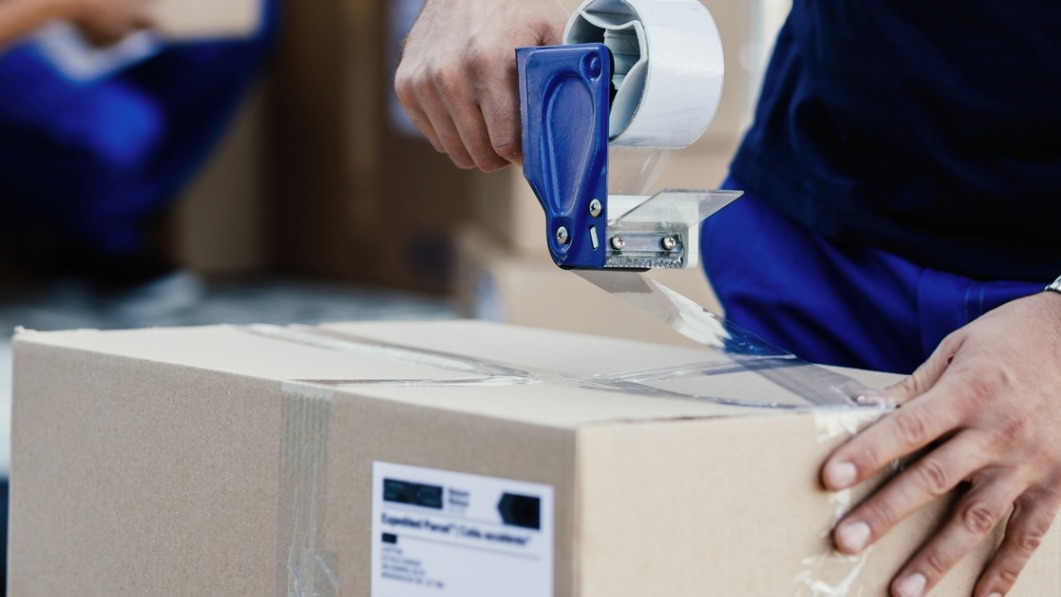
Tamper-Evident Packaging
Definition
Tamper-evident packaging is packaging designed to show visible signs when it has been opened, altered, or interfered with. It uses features like seals, shrink bands, breakable caps, or special labels to provide a clear indication of tampering, helping protect product integrity and reassure consumers.
Overview
Tamper-Evident Packaging is packaging designed to provide visible evidence if a product has been opened or altered. Knowing when to implement tamper-evident measures prevents unnecessary cost and avoids exposing products to risk; this guide gives 3PLs, merchants, and warehouse managers a decision framework and practical steps to implement tamper evidence where it matters most.
Deciding whether to adopt tamper-evident packaging requires balancing product risk, regulatory obligations, customer expectations, and operational capability. Some product categories require tamper-evident packaging by law or industry standard; others benefit mainly from the reputational and loss-prevention advantages. Below is a structured approach to help logistics teams decide.
Decision Triggers That Require Immediate Implementation
Certain triggers make tamper-evident packaging essential rather than optional:
- Regulatory Requirement: Pharmaceuticals, certain medical devices, and some food categories are subject to regulatory tamper-evidence standards; compliance is mandatory.
- High-Value Or Counterfeit-Prone Goods: Electronics, designer apparel, and consumables that attract fraud should use strong tamper evidence and serialization.
- Products With Safety Implications: Items where contamination or manipulation could harm consumers (e.g., infant formula) require tamper evidence to protect public health and brand liability.
Situations Where You Should Consider Piloting Tamper Evidence
For many SKUs, a pilot helps determine cost-effectiveness before scaling.
- Elevated Return Or Refund Rates: High rates may indicate fraud or undetected tampering; piloting tamper measures on those SKUs can test impact on returns.
- Multiple Handling And Long Transit Paths: International shipments with many handoffs are higher risk and benefit from visible seals and serialization.
- E-commerce Channel Growth: Direct-to-consumer shipments have higher exposure to opportunistic tampering; consider tamper evidence for first-mile packaging or inner seals.
Operational Readiness Checklist
Before rolling out tamper-evident packaging across SKUs, confirm your warehouse can reliably apply and inspect the chosen features.
- Equipment Availability: Do you have applicators, induction sealers, or shrink tunnels suitable for the expected throughput?
- SOPs And Training: Are inspection criteria and handling procedures documented and staff trained?
- Returns And Inspection Process: Is there a dedicated inspection station for flagged returns, and are decisions logged in the WMS?
Integration With Inventory And Quality Systems
Tamper-evident measures are most effective when tied to digital records. Serialization, batch numbering, and barcode reconciliation allow teams to verify whether a package left the warehouse sealed and to isolate incidents quickly.
- WMS Integration: Record application events (label applied, seal applied) and include them in outbound transaction logs.
- Quality Sampling: Add tamper checks into standard quality-control sampling plans for packing and receiving.
Metrics To Determine Effectiveness
Track the right KPIs to justify the program and tune it over time.
- Incident Rate: Number of tamper incidents per 10,000 shipments before and after implementation.
- Return Reduction: Change in return volume and fraud-related refunds.
- Inspection Failures: Percentage of inbound returns that fail tamper checks.
- Customer Complaints: Trends in complaints tied to packaging integrity and perceived safety.
Contract And Liability Considerations For 3PLs
3PLs should define clear responsibilities in service agreements. Contracts must state who supplies tamper materials, who owns application equipment, and which party is liable for failures resulting from improper application.
- Pass-Through Costs: Agree on how material and labor costs for tamper features will be charged.
- Service Levels: Include inspection SLAs and dispute-resolution steps for suspected tampering.
Short Pilot Plan Example
1) Select two high-risk SKUs and two control SKUs. 2) Choose a tamper system (void tape + serialized label). 3) Apply to outbound shipments for 60 days. 4) Monitor incidents, returns, and labor impacts weekly. 5) Scale to additional SKUs if incident reduction exceeds target threshold.
Practical Tips For Smooth Rollout
- Start Small: Use a pilot to measure throughput impact and staff acceptance before broad implementation.
- Train Receiving Staff: Ensure inbound inspection points know how to identify authentic tamper features versus accidental damage.
- Communicate To Customers: Label shipments so recipients understand visible tamper features and what to do if evidence of tampering exists.
In short, the Tamper-Evident Packaging decision should be driven by product risk, regulatory requirements, and measurable cost-benefit. A staged pilot with clear KPIs, integrated WMS records, and contractual clarity will minimize surprises and maximize the protection of products and brand reputation.
Sources And Additional Reading (4)
- GS1
“GS1.” GS1, https://www.gs1.org/.
- U.S. Food and Drug Administration
“U.S. Food and Drug Administration.” U.S. Food and Drug Administration, https://www.fda.gov/.
- Warehousing Education and Research Council (WERC)
“Warehousing Education and Research Council (WERC).” Warehousing Education and Research Council, https://www.werc.org/.
- Packaging World
“Packaging World.” Packaging World, https://www.packworld.com/.
More from this term
Looking for a 3PL?
Compare warehouses on Racklify and find the right logistics partner for your business.