
When Should Shippers Negotiate Fuel Surcharge Terms?
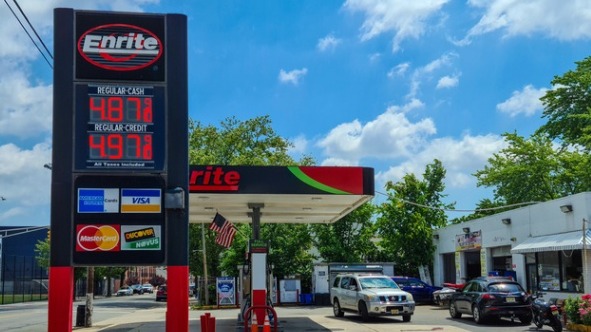
Fuel Surcharge
Definition
A fuel surcharge is an additional fee charged by carriers and transport providers to offset fluctuations in fuel costs. It is typically calculated as a percentage of the base freight rate or as a per-mile/ton charge and is adjusted periodically based on fuel price indexes.
Overview
Fuel Surcharge A variable transportation charge intended to account for fuel costs. Shippers who proactively negotiate surcharge terms can reduce cost volatility and prevent billing disputes.
Fuel price swings can materially change landed cost for high-volume or fuel-intensive freight programs. Timing and context determine when it's sensible for a shipper to push for specific surcharge language: during RFPs, price renegotiations, tender acceptance, or when moving into new geographic lanes.
When To Prioritize Negotiation
There are clear moments in the procurement lifecycle when surcharge terms have outsized impact on total cost and risk allocation.
- During RFPs And Tenders: Include a clear surcharge appendix so all bidders price against the same index and formula.
- Before Signing Long-Term Contracts: Negotiate caps, floors, and averaging methods if fuel price swings will affect multi-year budgeting.
- When Entering New Lanes Or Regions: Request regional indices or zone-specific tables when fuel markets differ materially from the company’s base geography.
- When Switching Modes: Air, ocean, rail, and truck surcharges are calculated differently — lock terms when switching mode to manage exposure.
Key Contract Clauses To Seek
Precise language prevents misunderstandings. Shippers should focus on index selection, effective dates, lookback windows, rounding rules, and caps.
- Index Specified: Use a public benchmark such as the EIA weekly diesel price for truck movements.
- Lookback And Averaging: Define whether the carrier uses the most recent published week, a multi-week average, or month-to-date values.
- Rounding Rules: Set how the final cents-per-mile or percentage is rounded and when it takes effect.
- Cap Or Floor: Negotiate a maximum surcharge or a smoothing mechanism (moving average) to limit budget shocks.
- Audit Rights: Reserve the right to verify index sourcing and recalculation during quarterly or annual audits.
Selecting The Right Index
Index choice affects fairness and verifiability. National averages are easy to verify, while regional indexes may reflect lane-specific economics better.
- National Index: Simpler for multi-regional programs; minimizes disputes over regional differences.
- Regional Index: Better accuracy for localized lanes but increases administrative complexity.
- Mode-Specific Index: For air freight, use jet fuel benchmarks; for ocean, consider Bunker Adjustment Factor (BAF) methodologies.
Negotiation Strategies And Scenarios
Different commercial situations demand different approaches. Choose the strategy that matches your bargaining position and risk tolerance.
- High Volume, Strong Leverage: Push for lower cap, dispute rights, and discounts that apply to total freight including surcharge.
- Spot Or Ad-Hoc Moves: Accept standard carrier tables but require clear, published calculation and receipt of the index data with each invoice.
- Budget-Constrained Shippers: Negotiate smoothing (moving average) or a guaranteed maximum annual increase tied to fuel to stabilize budgets.
Operational Steps After Agreement
Once surcharge terms are agreed, implement controls to enforce them in operations and finance systems.
- Configure TMS: Program the exact formula, lookback, and rounding into your transport management system to automate matching.
- Invoice Workflows: Ensure AP validates the index used on each invoice before payment.
- Ongoing Review: Revisit surcharge clauses at renewal if fuel markets or your transportation footprint change.
In short, the Fuel Surcharge should be negotiated whenever a shipper needs to control exposure to fuel volatility or when entering new lanes, tendering long-term contracts, or changing modes. Clear index selection, caps, lookback rules, and audit rights reduce disputes and make budgeting predictable.
Sources And Additional Reading (4)
- Gasoline and Diesel Fuel Update
“Gasoline and Diesel Fuel Update.” U.S. Energy Information Administration, https://www.eia.gov/petroleum/gasdiesel/.
- American Trucking Associations
“American Trucking Associations.” American Trucking Associations, https://www.trucking.org/.
- Federal Motor Carrier Safety Administration
“Federal Motor Carrier Safety Administration.” U.S. Department of Transportation — FMCSA, https://www.fmcsa.dot.gov/.
- Surface Transportation Board
“Surface Transportation Board.” Surface Transportation Board, https://www.stb.gov/.
More from this term
Looking for a 3PL?
Compare warehouses on Racklify and find the right logistics partner for your business.