
Why Boutique Fulfillment Matters for Luxury and Niche Businesses
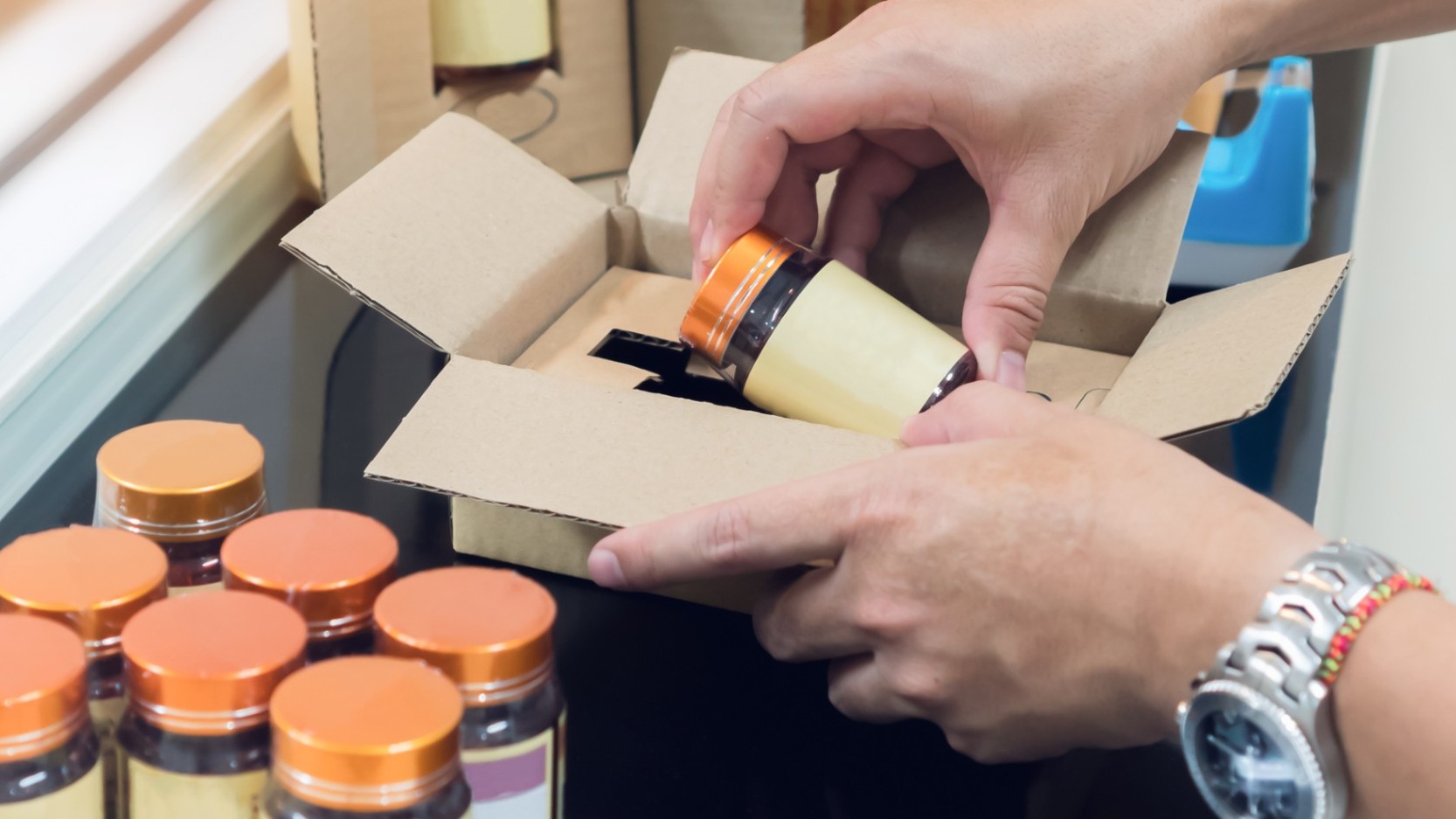
Boutique Fulfillment
Definition
Boutique fulfillment is a specialized order fulfillment service tailored to small-to-medium brands that require high-touch, customized handling. It combines storage, personalized packaging, kitting, and white-glove customer service to support niche or premium products with flexible volumes and faster turnaround.
Overview
Boutique fulfillment matters for luxury and niche businesses because these brands sell more than products: they sell an experience, a story, and a standard of quality. For companies whose customers expect exceptional packaging, precise presentation, or highly personalized service, a generic, high-volume fulfillment model often fails to protect brand equity and customer loyalty. Boutique fulfillment is built to handle the small-batch, high-touch, and detail-oriented requirements of premium and niche offerings.
At its core, boutique fulfillment emphasizes attention to detail across all touchpoints of order handling. That includes receiving and inspecting goods, inventory storage with appropriate environmental controls, careful picking and packing, luxury-grade packaging and presentation, white-glove delivery options, and personalized inserts or handwritten notes. Unlike mass fulfillment, which optimizes for throughput and cost per unit, boutique operations optimize for quality, consistency, and brand-aligned customer experience—even when order volumes are low or irregular.
Key reasons boutique fulfillment matters:
- Brand experience preservation: Luxury and niche customers judge a brand by the unboxing moment. Premium packaging, precise presentation, and flawless fulfillment reinforce perceived value and help justify higher price points.
- Product protection: High-value or delicate products require special handling, customized cushioning, temperature control, or tamper-evident packaging to preserve condition and value in transit.
- Customization and personalization: Many niche brands offer bespoke products, limited editions, or personalized touches. Boutique fulfillment workflows can integrate customization steps—such as engraving, gift wrapping, or inclusion of individualized inserts—without disrupting operations.
- Higher accuracy and quality control: Smaller pick waves, dedicated packing stations, and trained staff reduce errors. For luxury brands, a single mistake (wrong SKU, damaged packaging) can damage reputation and result in expensive remediation.
- Flexible returns and repair handling: Boutique fulfillment centers can provide inspection, repair, refurbishment, or individualized return handling—important for high-end goods that may be returned for evaluation or restoration rather than immediate replacement.
- Enhanced customer service: Specialized fulfillment partners often offer direct integrations with concierge support, same-day handling, or white-glove delivery and setup, matching the expectations of premium customers.
Real-world examples illustrate why boutique fulfillment is essential
A small watchmaker selling handcrafted timepieces cannot treat packaging as an afterthought: a scratched watch or cheap box undermines months of craftsmanship and marketing investment. Similarly, a sustainable skincare brand that sells small-batch, temperature-sensitive serums needs controlled storage, careful handling, and clear labeling to maintain product efficacy and comply with regulations.
Implementation elements that matter for luxury and niche brands
- Dedicated receiving and inspection: On receipt, inventory should be inspected for cosmetics, function, and completeness. Records and photos can document condition and support claims processing.
- Environmentally appropriate storage: Climate control, humidity management, or secure, low-traffic storage areas can protect delicate or high-value goods.
- Specialized packaging and presentation: Use materials and finishes that align with brand standards—embossed boxes, tissue paper, protective inserts, and well-designed labels. Sustainable choices can be part of the brand story when executed thoughtfully.
- Flexible fulfillment workflows: Configurable packing stations that can add personalization, promotional inserts, or gift wrapping without slowing down processing.
- Technology and transparency: Integration with a WMS and e-commerce platforms ensures accurate inventory counts, supports batch tracking, and provides customers with branded tracking and communication.
- Skilled staff and training: Team members trained in handling delicate items, quality checks, and brand presentation are critical—errors cost more for premium items and harm brand reputation.
Costs and trade-offs should be considered
Boutique fulfillment typically carries higher per-unit costs because of lower throughput, custom packaging, and specialized labor. For luxury and niche businesses, these costs are often offset by higher margins, stronger customer retention, and reduced brand-damage risk. The decision to use boutique fulfillment is strategic: it supports brand positioning and long-term customer lifetime value rather than short-term cost minimization.
Common mistakes brands make when moving to boutique fulfillment
- Assuming standard 3PLs will automatically meet luxury standards—quality needs to be specified and audited.
- Underinvesting in packaging design or durability, leading to damage during transit.
- Neglecting returns processes for high-value items—returns can be expensive and reputation-sensitive without a tailored approach.
- Failing to train staff on brand-specific handling or presentation standards.
- Overlooking integration between fulfillment systems and customer-facing channels, creating inconsistent communications.
Best practices when adopting boutique fulfillment
- Document brand standards for packaging, handling, and presentation; make them part of the service-level agreement with a fulfillment partner.
- Choose fulfillment partners with proven experience in luxury goods, small-batch handling, or bespoke services, and request references or case studies.
- Start with a pilot program—send a subset of SKUs through boutique workflows to measure impact on returns, customer satisfaction, and costs.
- Invest in integrated systems—WMS, order management, and customer notifications—to maintain visibility and consistency.
- Measure the right KPIs: order accuracy, delivery condition, customer satisfaction (NPS), return rate, and cost per order—including the value of preventing brand damage.
In summary, boutique fulfillment matters because it aligns operational execution with brand promise. For luxury and niche businesses, fulfillment is an extension of the product and the brand story. When done well, boutique fulfillment enhances perceived value, reduces costly mistakes, and helps build long-term customer loyalty—making the higher per-order cost a strategic investment, not a liability.
More from this term
Looking for a 3PL?
Compare warehouses on Racklify and find the right logistics partner for your business.