
Why Oversized Fulfillment Requires Specialized Supply Chain Strategies
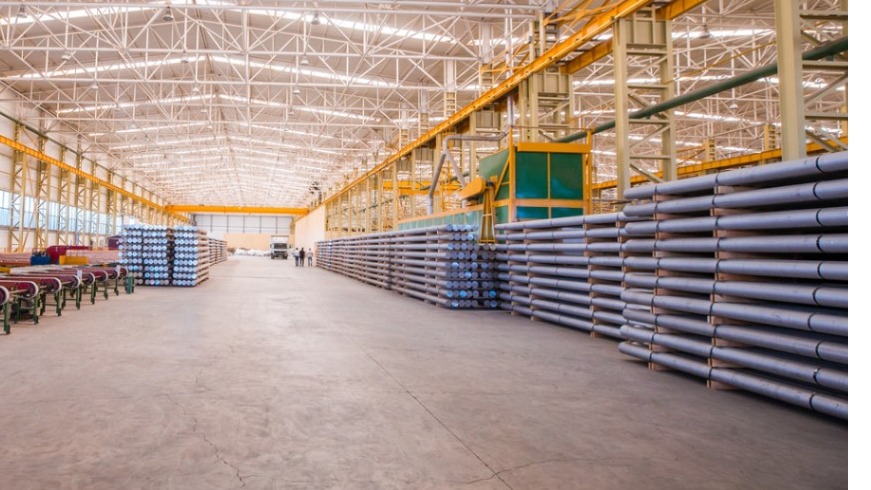
Oversized Fulfillment
Definition
Oversized Fulfillment refers to the warehousing and shipping process for items that exceed standard size or weight limits and therefore require special handling, storage, packaging, or transport arrangements. These orders typically need dedicated equipment, palletization or crating, specialized carriers, and may incur higher costs and longer lead times due to dimensional weight rules and logistics complexity.
Overview
Oversized fulfillment refers to the end‑to‑end processes for products that are too large, heavy, or irregularly shaped to be treated like ordinary parcels. Examples include furniture, large appliances, industrial machinery, prefabricated building components, yachts, and oversized retail displays. These items create distinctive demands across warehousing, transportation, packaging, and customer service. For beginners, the easiest way to understand why oversized fulfillment needs specialized strategy is to think about three realities: physical handling differences, cost and pricing differences, and regulatory or route limitations. Each of these forces changes how you design the supply chain.
Physical handling and storage
Oversized items often can’t be stacked on standard pallets or stored on typical racks. They may require floor space allocation, reinforced shelving, or custom cradles. Handling them safely needs specialized equipment — heavy‑duty forklifts, cranes, spreader bars, or lifting straps — and trained operators. Processing tasks such as receiving, inspection, kitting, packing, and staged loading take longer and may demand dedicated dock space. A plan that works for cartons of shirts won’t scale to a 1,200 lb industrial press.
Transportation and routing
Carriers price oversized freight differently (dimensional weight, cubic capacity, axle count, or special oversize permits). Modes matter: road transport may require FTL (full truckload), specialized flatbeds, or permit‑carrying oversized loads; rail and sea require different loading and securing methods; air is often impractical due to size and cost. Last‑mile delivery becomes a major operational challenge — curbside drop, white‑glove delivery with inside placement, disassembly/reassembly, and even temporary road closures or permits can be necessary. Oversized shipments often use a mix of LTL, specialized freight, and dedicated services, so strategic carrier selection and route planning are essential.
Cost structure and commercial consideration
Pricing models for oversized items factor in density, special handling, and time on loading docks, plus potential special services such as liftgate, inside delivery, or installation. Insurance and liability exposure are higher. If you treat oversized shipments like parcel shipments, you will underprice and underprepare. Proper costing must include packaging engineering, equipment amortization, time for special handling, and the potential cost of delays or damage.
Regulatory and safety constraints
Oversized and heavy loads are sometimes subject to regulatory restrictions — oversize/overweight permits, route limitations, bridge and tunnel restrictions, or escort vehicle requirements for certain highway segments. For international moves, customs processes can be more complex due to large declarations, import permits, and specialized packaging rules (for example, ISPM‑15 wood treatment for pallets and crating). Safety rules for lifting and securing large items are enforced in warehouses and transport; compliance reduces accidents and legal risk.
Key strategic elements for oversized fulfillment include:
- Early planning and product profiling — capture dimensions, weight distribution, fragility, and installation needs at product design or procurement time. Use these data to determine storage, packaging, and transport classes so you’re not improvising on the day of shipment.
- Specialized packaging and load engineering — design custom crates, frames, or Dunnage to protect products during handling and transit. Consider disassembly to reduce shipping dimensions where practical. Packaging engineering reduces damage and can be a major cost saver.
- Right equipment and trained staff — invest in handling equipment appropriate for the product range and ensure staff are trained in safe lifting, rigging, and loading. Cross‑training and standardized procedures reduce damage and speed throughput.
- Warehouse layout and slotting — designate floor space, staging lanes, and reinforced storage zones for oversized inventory. Implement WMS rules that reflect nonstandard picking and staging procedures.
- Carrier network and service mix — develop relationships with carriers that specialize in oversized freight and last‑mile white‑glove services. Use a mix of FTL, specialized flatbeds, and 3PL partners with installation capability to match service needs to customer expectations.
- Technology integration — integrate WMS, TMS, and order management systems to coordinate scheduling, equipment allocation, and carrier booking. Visibility tools — appointment scheduling, tracking, and exceptions management — are particularly valuable for oversized flows.
- Customer experience design — for in‑home delivery, communicate clearly about delivery windows, staging expectations, and additional service choices (assembly, debris removal). White‑glove deliveries often command a premium but reduce returns and damage complaints.
- Risk management and insurance — assess damage likelihood and insure accordingly. Invest in quality control at receiving and outgoing inspection points to prevent costly claims.
Common implementation mistakes to avoid:
- Assuming oversized items can be handled like parcel items — leading to underpricing, delays, and damage.
- Failing to capture accurate dimensional and handling requirements early in the product lifecycle.
- Underinvesting in packaging engineering, which increases damage rates and customer returns.
- Relying on a single carrier without contingency plans, leaving you exposed to capacity constraints or permit issues.
- Neglecting last‑mile complexities — not all customers want curbside drops; many expect installation or assembly.
Practical example
A furniture retailer planning nationwide delivery of sectional sofas must do more than book a parcel carrier. The company profiles each SKU for dimensions and disassembly possibilities, designs modular packaging that fits multiple sofas onto pallets, contracts carriers with LTL and white‑glove capabilities, reserves appointment slots for in‑home delivery teams, and integrates WMS and TMS to schedule that flow. By doing so, they reduce damage, improve on‑time delivery, and can offer premium assembly services as an upsell.
Beginner action checklist — a quick starter list to apply today
- Catalog dimensions, weights, and fragility for all oversized SKUs.
- Map storage needs and reserve dedicated floor space and handling equipment.
- Identify carriers with oversized freight and last‑mile capabilities; request rate quotes that include special services.
- Design or source appropriate packaging and crating solutions.
- Integrate WMS and TMS for scheduling, visibility, and exception management.
- Set KPIs: damage rate, on‑time delivery, cost per shipment, and customer satisfaction for white‑glove services.
In short, oversized fulfillment changes the rules of warehousing, transport, costing, and customer service. Specialized strategies — combining planning, equipment, carrier relationships, packaging engineering, and clear customer communication — turn oversized items from costly headaches into an opportunity for reliable service and competitive differentiation.
More from this term
Looking for a 3PL?
Compare warehouses on Racklify and find the right logistics partner for your business.